
Read More
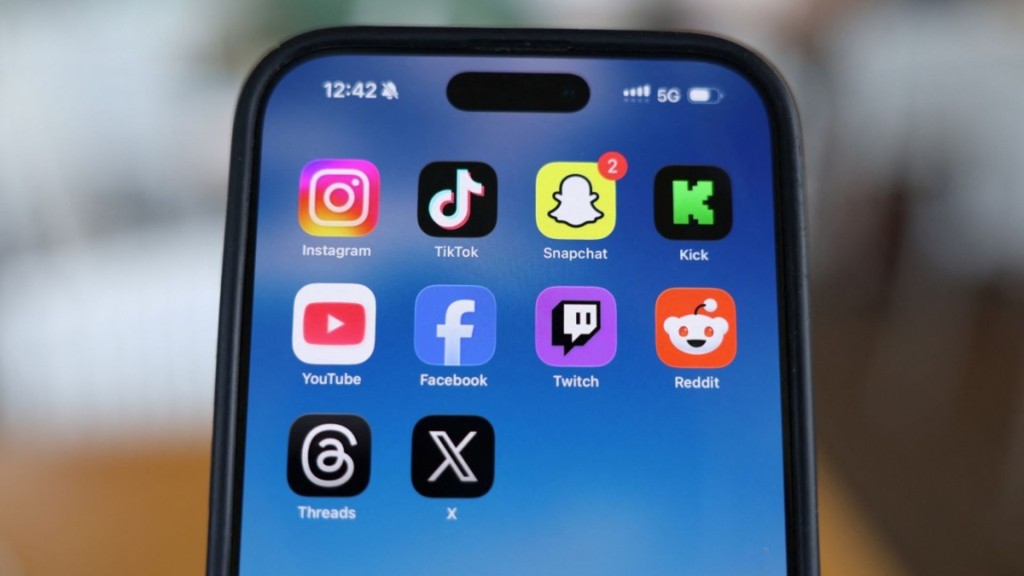
Across the Western world, governments are increasingly turning to blunt legislative bans to curb a growing youth mental health crisis. Spearheaded by Australia’s landmark ban on social media for children under 16, alongside state-level prohibitions across the United States from Florida to Utah, the political consensus in the West has shifted toward digital quarantine. Proponents argue that social media algorithms – engineered specifically for hyper-engagement – are directly fueling unprecedented levels of teenage anxiety, sleep deprivation, body dysmorphia, and cyberbullying. Driven by the chronic failure of tech giants to protect young users, western lawmakers have concluded that the only viable solution is to lock adolescents out of the digital town square entirely.
ADVERTISEMENT
SCROLL TO CONTINUE WITH CONTENT
The flaws of digital prohibition
While the impulse to shield teenagers from online harm is well-intentioned, total bans represent a fundamentally flawed policy response. Enforcing strict age gates requires invasive identity verification that undermines digital privacy, while doing little to stop tech-savvy adolescents from circumventing restrictions using virtual private networks or migrating to unmonitored fringe platforms. More importantly, sweeping prohibitions treat social media purely as a hazard rather than a primary medium for contemporary peer connection, creative expression, and digital learning. Depriving young people of these tools simply postpones their exposure to online risks, leaving them ill-prepared for the realities of an interconnected world when they turn 18.
In this light, Hong Kong’s deliberate decision not to enforce a blanket social media ban is both pragmatic and strategic. In a hyper-connected global financial hub, attempting to police digital habits of teenagers through state mandates is neither practical nor desirable. Hong Kong correctly recognizes that digital resilience – rather than digital abstinence – is the sustainable path forward. Blanket bans risk driving online behavior into dark, unmonitored corners of the internet, stripping away vital opportunities for parental guidance and constructive school-based interventions.
Cultivating resilience over restriction
To effectively shield teenagers from social media harm without resorting to heavy-handed bans, Hong Kong should execute a comprehensive strategy focused on platform accountability, educational empowerment, and family agency.
The SAR government should mandate strict safety-by-design standards for local minor accounts. Legislation should force platforms to disable addictive features – such as infinite scrolling, push notifications during night hours, and hyper-targeted recommendation algorithms – for users under 18.
Education frameworks must evolve beyond basic computer skills to teach algorithmic literacy. School curricula should train students to identify manipulative user interfaces, recognize the psychological mechanisms of social comparison, and handle cyberbullying constructively.
Government agencies and community organizations should equip parents with practical frameworks for establishing healthy screen-time boundaries at home, encouraging open dialogue rather than punitive surveillance.
By rejecting the illusion of prohibition and prioritizing digital literacy, Hong Kong can protect its youth from systemic online harms while ensuring they possess the skills to navigate the digital age responsibly.