Read More

Indestructible: why Infantino will survive the firestorm
10-07-2026 04:47 HKT




65 arrested as police bust illegal nightclub and gambling dens
12-07-2026 19:00 HKT


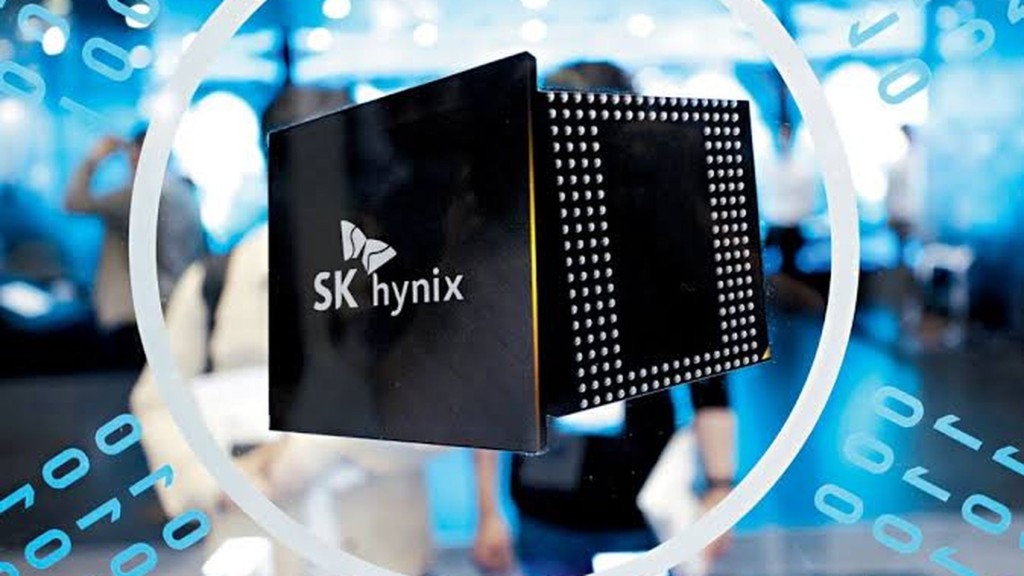
In late June, South Korean President Lee Jae Myung unveiled a staggering US$576 billion (HK$4.49 trillion) public-private investment plan. Anchored by industry titans Samsung Electronics and SK Hynix, the landmark mega-project establishes a massive new artificial intelligence and semiconductor manufacturing cluster in the country’s southwestern region. This monumental capital deployment arrives amidst an accelerating AI supercycle, where demand for high-performance components has already pushed South Korean memory exports to historic highs. However, this half-trillion-dollar bet is not merely a play for domestic economic growth; it is a highly calculated geopolitical maneuver that reshapes the technological balance of power between Washington and Beijing.
For the United States, Seoul’s massive manufacturing expansion is a major strategic victory. The US technology sector remains deeply dependent on South Korean hardware; Samsung and SK Hynix currently control over 80 percent of the global market for High-Bandwidth Memory chips, the critical components that power advanced AI accelerators and data centers. By dramatically scaling up advanced production capacity, South Korea effectively underpins the hardware requirements of the US-led AI ecosystem. It provides Silicon Valley tech giants with a highly secure, technologically superior supply chain that is fundamentally insulated from geopolitical flashpoints.
Conversely, this aggressive investment serves as a formidable defensive wall against Beijing. Mainland China has poured billions into its own domestic memory chip infrastructure to achieve technological self-reliance and penetrate global markets. By fast-tracking these new mega-fabrication plants and widening the technological gap in memory density and packaging, South Korea’s strategy deliberately minimizes Chinese market advances. This massive capacity surge undercuts the commercial viability of China’s emerging chipmakers, effectively freezing Beijing out of the highest-margin tiers of the global AI supply chain.
The sheer scale of South Korea’s investment – equivalent to more than two-thirds of the country’s gross domestic product – has inevitably triggered intense market anxiety regarding future overcapacity. If a sudden downcycle hits the notoriously volatile semiconductor industry, flooding the market with an unprecedented volume of silicon could trigger a catastrophic pricing collapse, echoing the brutal memory gluts of previous decades.
However, analyzing this capital expenditure through a short-term lens misinterprets the true timeline of semiconductor engineering. Independent global investment reports reveal that while existing hubs in Pyeongtaek and Yongin are being fast-tracked to manage immediate shortages, the newly proposed southwestern cluster is an ultra-long-term strategic layout. Volume production from these new facilities is not projected to hit the global market until at least 2033.
Because building advanced fabrication plants from scratch requires nearly a decade to secure infrastructure, water, and specialized labor, the risk of an immediate CapEx-driven supply glut is significantly overstated. Near-to-medium-term supply and demand remain tightly balanced by explosive AI infrastructure needs. South Korea is not triggering an immediate glut; it is structurally locking in its status as an indispensable, permanent gatekeeper of the global digital economy.