
Read More
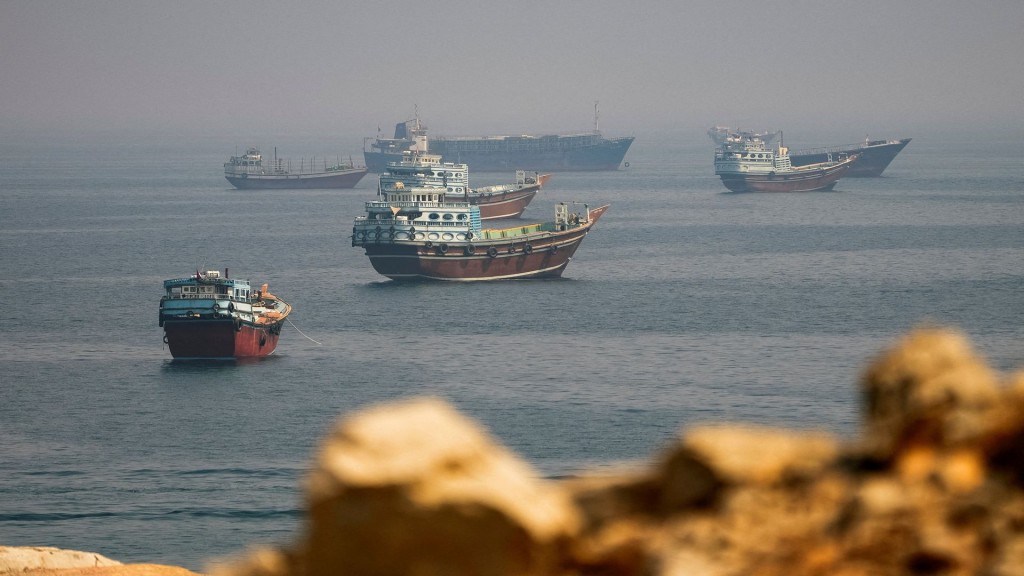
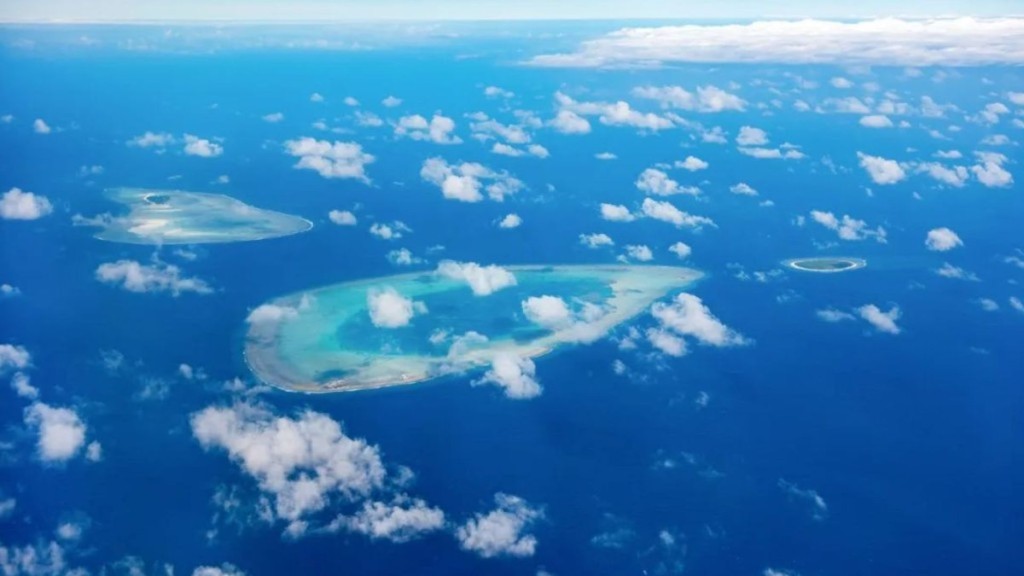
On the 10th anniversary of the South China Sea arbitral tribunal award, 14 countries and the 27-nation European Union issued joint statements supporting the 2016 ruling and rejecting China’s sweeping maritime claims. Beijing promptly reiterated its stance, dismissing the historical verdict as “illegal, null, and void.” A closer look at the external signatories reveals a telling detail: Aside from the Philippines, which originally filed the case, none of them are actual claimants to the contested waters. The four other nations asserting territorial jurisdiction or exclusive economic zones in the region – Brunei, Malaysia, Vietnam, and Indonesia – conspicuously refrained from joining the public Western chorus.
ADVERTISEMENT
SCROLL TO CONTINUE WITH CONTENT
Despite overlapping disputes, these governments have consistently opted to manage their relationships with Beijing through low-profile, bilateral diplomacy, preferring to set aside territorial friction to safeguard vital economic cooperation.
The Philippine deviation
The solitary exception to this regional pragmatism is the Philippines. Backed by its treaty ally, the United States, Manila has pivoted from the moderate posture of past administrations to a highly confrontational approach under President Ferdinand Marcos Jr. This shift has triggered dangerous, localized clashes with the China Coast Guard, alongside a rapid expansion of the US military footprint via enhanced base access and deepened defense pacts with Japan.
From a geostrategic perspective, this internationalization of a regional dispute directly serves the broader, Washington-led strategy to contain China’s maritime growth within the first island chain. For Beijing, strictly abiding by the United Nations Convention on the Law of the Sea as interpreted by the tribunal would mean drastically surrendering its strategic leverage and defensive depth in its immediate maritime backyard.
Domestic fractures in Manila
However, the assumption that Manila’s aggressive alignment with the West is permanent ignores the volatile reality of Philippine domestic politics. The country is currently gripped by an explosive political civil war between the Marcos Jr administration and the faction led by Vice President Sara Duterte, whose father, former President Rodrigo Duterte, famously pursued cozy relations with Beijing. With the younger Duterte facing an ongoing Senate impeachment trial, the structural rift within Manila over its China policy is completely exposed. Because Philippine presidents are restricted to a single six-year term, Marcos Jr cannot run for reelection in 2028. If his plummeting domestic popularity paves the way for a Duterte-aligned victory, Manila will likely return to a conciliatory, pragmatic approach toward China.
Ultimately, this ongoing volatility highlights that an aggressive, military-first response from Beijing risks playing directly into the hands of the US containment strategy. To ensure long-term regional stability, China must pivot toward a more sophisticated diplomatic offensive. By fast-tracking a substantive code of conduct with the Association of Southeast Asian Nations, Beijing can demonstrate a concrete commitment to a rules-based order on its own terms. Proactively focusing on joint resource development and maritime safety with its neighbors will insulate the region from external manipulation. Securing regional peace through shared prosperity will not only blunt the momentum of an anti-China containment bloc, but will also establish Beijing’s status as a responsible, stabilizing global superpower.