
Read More
The recent announcement by Financial Secretary Paul Chan Mo-po that trade between Hong Kong and the Gulf Cooperation Council surged by more than 35 percent year on year in the first five months of 2026 marks a profound structural realignment. Led by a staggering 52 percent explosion in bilateral trade with the United Arab Emirates, this momentum sharply accelerates from the modest 5 percent annual uptick recorded in 2025. However, analyzing this phenomenon merely as a triumph of cyclical market forces misinterprets the deeper tectonic shifts occurring in global macroeconomics. The sudden thickening of this financial corridor is the product of defensive capital diversification, geopolitical whiplash, and highly calculated statecraft by the Hong Kong administration.
ADVERTISEMENT
SCROLL TO CONTINUE WITH CONTENT
Institutionalizing the corridor
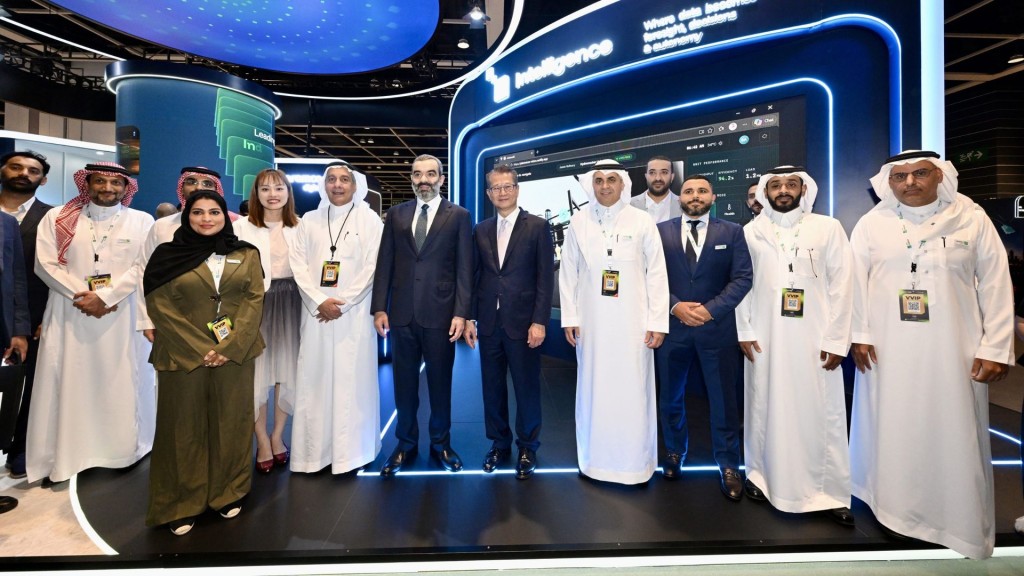
The recent trade boom is the direct result of a sustained, high-level diplomatic offensive engineered by Hong Kong’s leadership. Following Chief Executive John Lee Ka-chiu’s milestone visits to Riyadh and Dubai – which established the foundation for institutional cooperation – the territory has aggressively positioned itself as the primary financial gateway for the Global South. This government-led push achieved its most significant milestone last week with the staging of the inaugural LEAP East conference from July 8 to 10 at the Hong Kong Convention and Exhibition Centre. Marking the first time the Middle East’s flagship technology exhibition has ever been held outside Saudi Arabia, the summit attracted over 35,000 global tech professionals and investors managing more than US$6.5 trillion (HK$50.7 trillion) in assets.
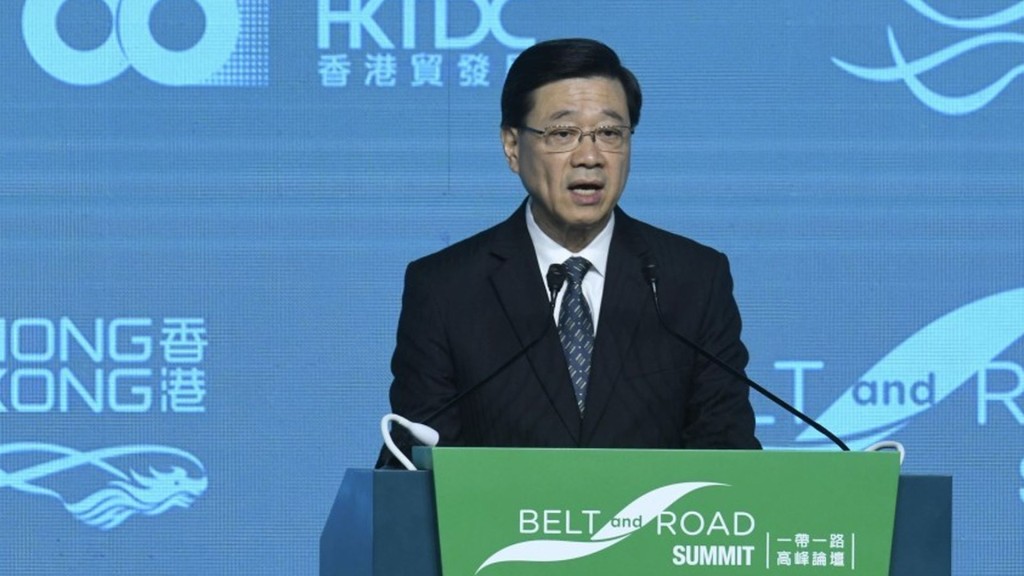
Speaking at the opening ceremony, Chan vowed to lead another high-profile business delegation to Saudi Arabia later this year, emphasizing that the mutual listing of Exchange-Traded Funds and corporate assets is just the first step in structurally weaving the two regions together. By utilizing its unique “super-connector” status under the “One Country, Two Systems” framework, Hong Kong is transforming high-level diplomatic goodwill into concrete, multi-billion-dollar technology, green energy, and smart city infrastructure partnerships.
Road to interdependence
At the core of these dynamics is a defensive asset allocation strategy by Gulf sovereign wealth funds. Facing systemic vulnerabilities in Western markets, Gulf capital has turned eastward to pursue geographical de-risking. Data reveals that the spike in trade value is fundamentally driven by two primary macroeconomic levers: elevated global energy values inflating the baseline of fuel imports into Hong Kong, and a massive surge in outbound high-value re-exports – such as mainland Chinese telecommunications infrastructure, advanced electronics, and AI hardware – moving through Hong Kong to Gulf markets. Crucially, because these tech products are shipped via air freight, this economic pipeline remains structurally insulated from maritime vulnerabilities and Middle Eastern regional transit chokepoints.
To turn this cyclical momentum into permanent integration, Hong Kong must exploit this geoeconomic shift and embed Gulf capital within its regulatory architecture. The Hong Kong Monetary Authority must move swiftly to develop a sophisticated suite of liquid, Sharia-compliant wealth management products, green sukuk – or Islamic bonds – and specialized cross-border clearing mechanisms. Allowing Gulf sovereign funds to seamlessly hedge and deploy their capital into mainland China’s advanced manufacturing and green-tech ecosystems via Hong Kong will solidify the city’s role. In doing so, Hong Kong evolves from a superficial transit corridor into a permanent, indispensable architect of China-Arab financial symbiosis.