
Read More
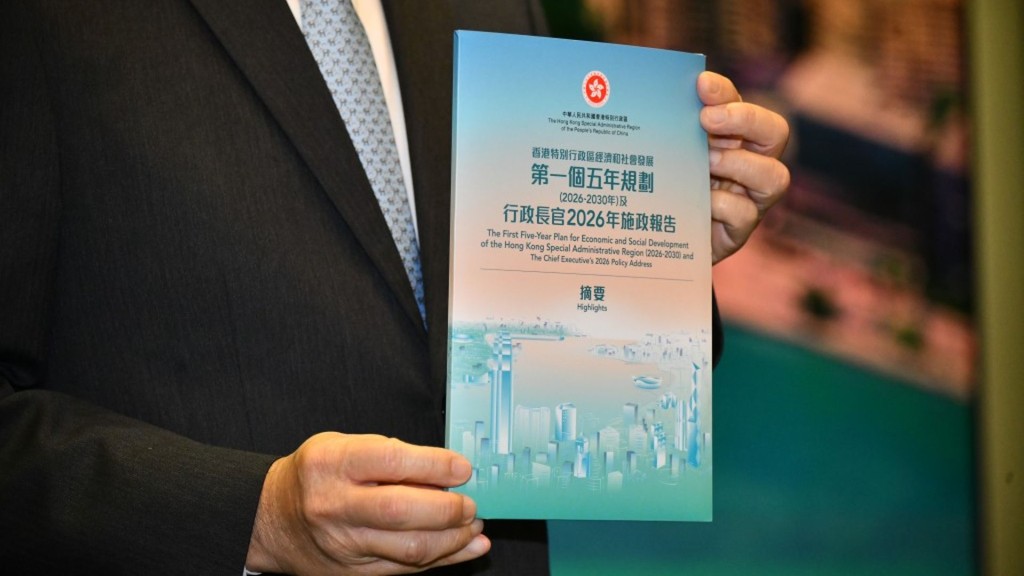
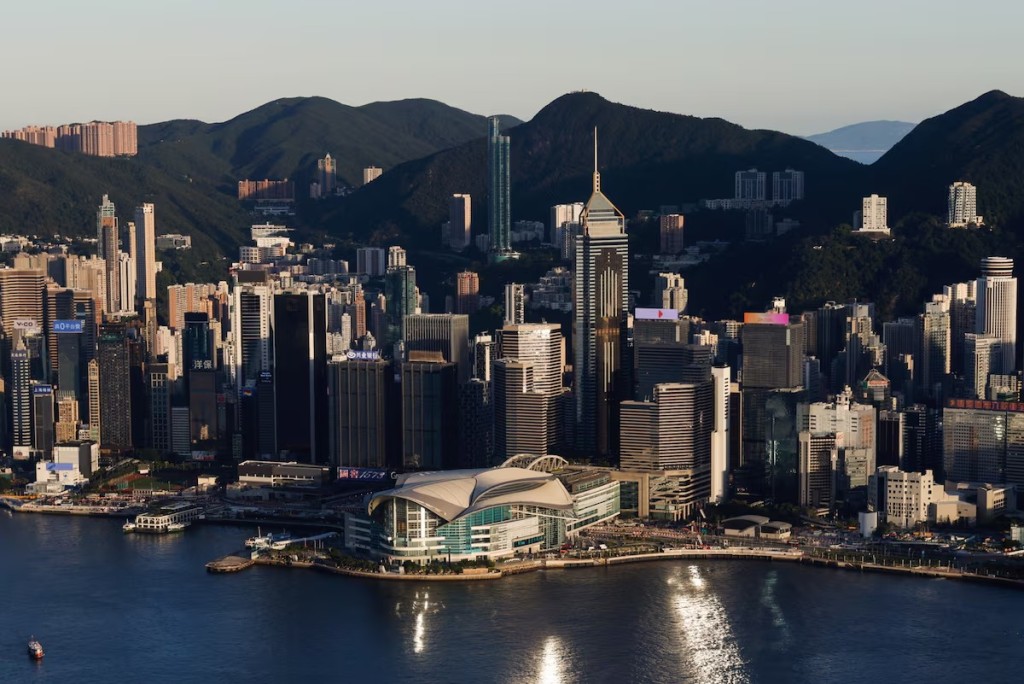
For decades, the global shorthand for Hong Kong’s financial prowess was its stock market. The city was a world-class equity machine, famous for hosting massive initial public offerings and channeling international capital into Chinese enterprises. Today, however, that narrative has completely evolved. Under the strategic directives of the national 15th Five-Year Plan, Hong Kong has transformed into a highly comprehensive, multidimensional international financial center. Beyond its traditional stock market engine, the city now boasts a deeply liquid bond market, expanding commodity trading networks, and the world’s largest pool of offshore yuan liquidity, exceeding 1 trillion yuan (HK$1.16 trillion).
ADVERTISEMENT
SCROLL TO CONTINUE WITH CONTENT
Bonds, commodities, and risk management
This structural diversification is not just a defensive hedge against equity market volatility; it is an aggressive expansion of Hong Kong’s financial capabilities. A prime example is the fixed-income sector. The upcoming launch of 5-year China Government Bond Futures on August 3, marks a major milestone in Hong Kong’s Fixed-Income and Currencies ecosystem. By providing global investors with an efficient offshore risk-management tool to hedge interest rate exposure, Hong Kong will inevitably attract greater long-term international capital into the domestic Chinese bond market.
Simultaneously, the city is strengthening its commodity trading infrastructure. By leveraging the global reach of the London Metal Exchange – a subsidiary of Hong Kong Exchanges and Clearing – and introducing specialized tax regimes for commodity dealers, the territory can create a powerful multiplier effect for its derivatives markets. Moving forward, the government must proactively integrate these diverse asset classes. To fully maximize these advantages, Hong Kong should transition its Web3 and digital asset infrastructure from mere regulatory construction to real-world commercial implementation, such as pioneering the tokenization of green bonds and carbon credits to attract specialized Global South funds.
China’s financial shield and gateway
To truly fulfill its national responsibility, Hong Kong must leverage its comprehensive ecosystem to serve as mainland China’s ultimate financial gateway and risk buffer zone. As the central government drives yuan internationalization, Hong Kong must optimize its vast offshore liquidity pool to support the real economy. It can achieve this by aggressively expanding direct, friction-free currency settlement mechanisms – such as the direct yuan-Indonesian rupiah framework – and replicating them across the Middle East and Asean to bypass legacy Western clearing systems.
Furthermore, the territory should actively assist mainland enterprises in navigating an increasingly hostile geopolitical landscape. As Western nations pursue economic “de-risking” strategies, Hong Kong can act as a regulatory safe haven under the “One Country, Two Systems” principle. By utilizing the city’s common law jurisdiction, mainland multi-nationals can safely manage global cargo assets, establish centralized corporate treasury centers, and issue Euro- or yuan-denominated sustainable debt. By evolutionarily transforming from a simple equity-raising window into a sophisticated orchestrator of multi-asset capital, global risk management, and offshore yuan architecture, Hong Kong will secure its competitive future while decisively driving the next phase of China’s economic ascent.