
Read More
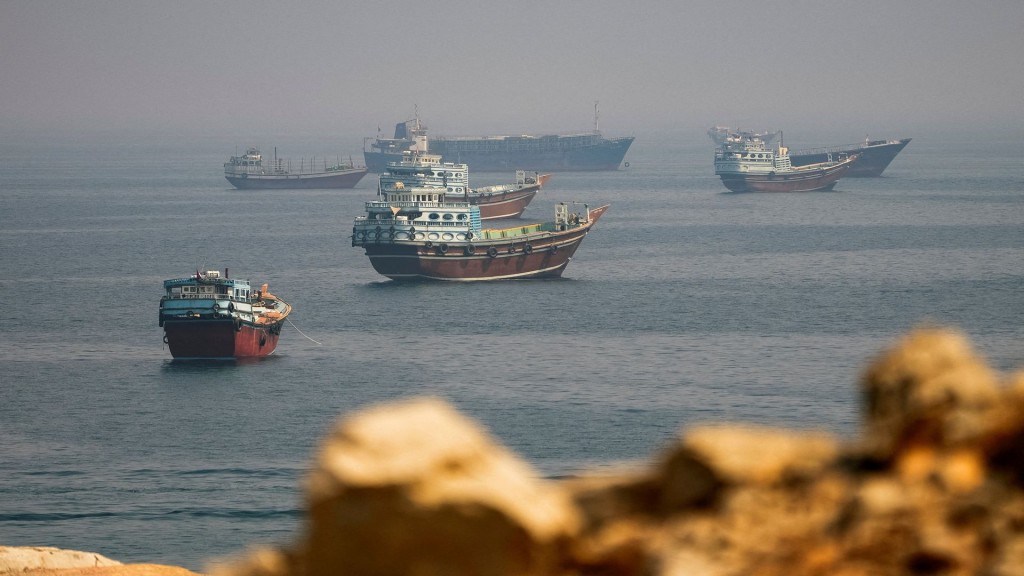
The fragile peace achieved by the June 17 Memorandum of Understanding in Islamabad has collapsed into open warfare. The United States has resumed intensive rounds of airstrikes across Iran and formally reinstated a comprehensive naval blockade on Iranian ports, while Tehran has aggressively returned to targeting commercial vessels in the Strait of Hormuz.
ADVERTISEMENT
SCROLL TO CONTINUE WITH CONTENT
US President Donald Trump has rapidly escalated his rhetoric, refusing to rule out a ground offensive. Intelligence reporting indicates the military is conducting “shaping operations” to degrade coastal defenses, actively preparing for a high-stakes amphibious invasion aimed at Kharg Island.
The allure of an island fortress
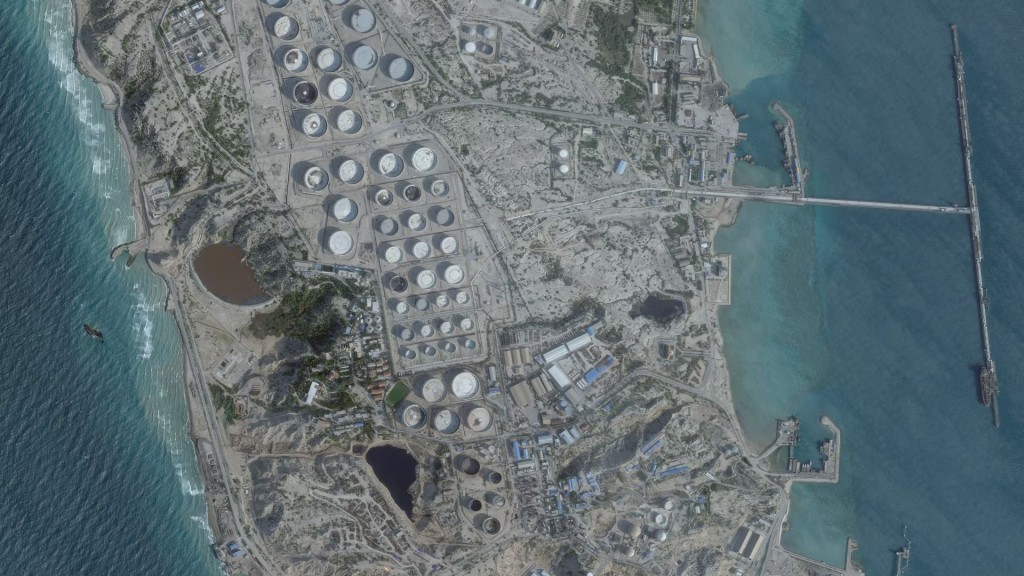
Located roughly 25 kilometers off Iran’s southern coast, Kharg Island functions as the backbone of Iran’s oil export infrastructure and its primary economic lifeline. Multiple analyses note that around 90 percent of Iran’s crude exports pass through its deep-water terminals, which connect via pipelines to major onshore oilfields.
Severing this node would immediately choke off most of Tehran’s access to foreign currency, as Iran’s petroleum trade with Asian markets – particularly China – is heavily dependent on shipments that load at Kharg before crossing the Gulf and transiting Hormuz.
Given the island’s separation from the mainland, the Pentagon can leverage overwhelming air and naval superiority to isolate it and prevent regular reinforcement. However, while capturing the territory may be militarily straightforward, holding it would be a tactical nightmare: its proximity to the coast places any occupying force squarely within range of mobile artillery, anti-ship missiles, and drone attacks, turning captured positions into exposed defensive targets.
This geographical trap helps explain earlier US reluctance to authorize a land operation. Instead, the initial MoU saw Washington extend major concessions – including sanctions relief – to secure a reopening of Hormuz and stabilize energy markets.
The peace ultimately broke over ambiguous wording on “safe passage for commercial vessels.” Tehran read the clause as implicit recognition of its sovereignty over the waterway, while Washington insisted on unconditional, free international access. Even after waves of daylight airstrikes since early July, Iran has shown remarkable resilience, pushing the White House toward riskier options such as seizing Kharg.
The dual‑chokepoint stratagem
As the threat to Kharg Island escalates, Tehran is playing its ultimate strategic card by threatening closure of the Bab el‑Mandeb Strait in the Red Sea in parallel with Hormuz. Analysts note Bab el‑Mandeb’s role as a critical maritime chokepoint linking the Red Sea with the Gulf of Aden and the Indian Ocean, carrying about 10 percent of global trade and roughly 5 percent of global oil flows.
Recent reporting explains that if both Bab el‑Mandeb and Hormuz were shut, an estimated 25 percent of the world’s oil and gas supply would be blocked, driving catastrophic price spikes and pushing Western inflation sharply higher.
This “dual‑chokepoint” strategy turns a regional confrontation into a systemic shock, directly challenging the Trump administration’s capacity to maintain economic stability at home heading into the November midterms.
What began in Washington as a high‑pressure campaign intended to force rapid Iranian concessions has deteriorated into an exhausting war of attrition. The legal status of Hormuz is simpler than the nuclear file, yet it has completely monopolized US military focus and strategic bandwidth.
As American attention and resources remain bogged down in the Gulf, the conflict inadvertently grants Beijing a crucial strategic window. China can use this period to restructure its domestic economy, reinforce alternative energy routes, and harden its financial and trade supply chains against the Western containment measures that are likely to intensify in the near future.
Would you like this recast into a shorter, headline‑style explainer for publication, or kept in this more analytical, op‑ed tone?