
Read More
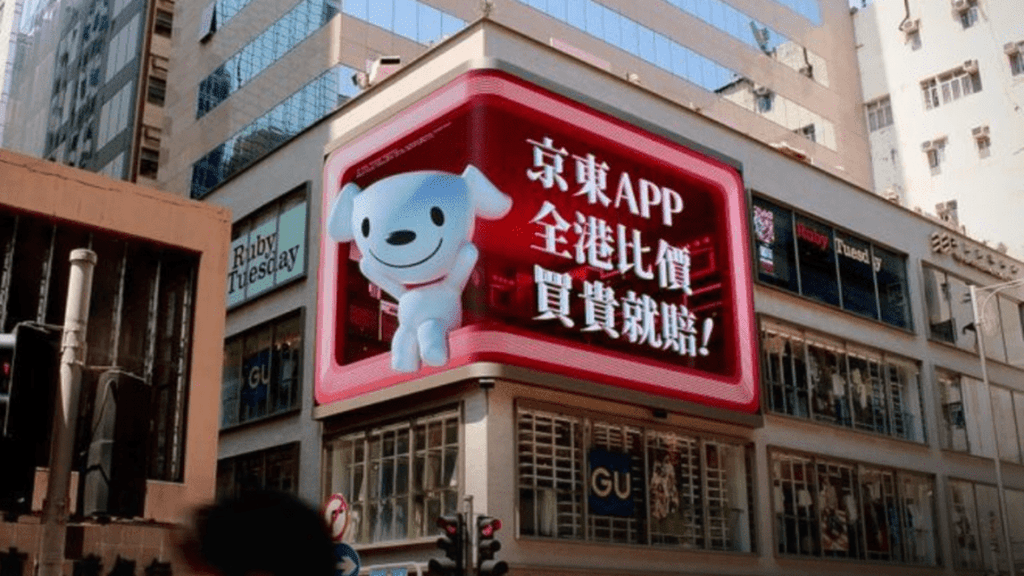
A profound retail transformation is sweeping through the streets of Hong Kong. Over the past year, the city has witnessed an aggressive influx of mainland technology and retail behemoths. From Meituan’s food delivery offshoot Keeta capturing over 40 percent of the local food delivery market, to JD.com launching a massive, 30,000-square-foot “JD Mall” in Wan Chai with plans for up to eight more locations, the presence of mainland capital is undeniable. With ride-hailing giant DiDi consistently expanding its localized footprint, a quiet anxiety has gripped the local business community. The pressing question is no longer whether mainland firms are coming, but whether Hong Kong’s traditional SMEs and homegrown brands are about to be completely overrun.
ADVERTISEMENT
SCROLL TO CONTINUE WITH CONTENT
Asymmetric war of subsidies and scale
The primary threat facing Hong Kong businesses is a massive asymmetry in capital and infrastructure. Backed by parent organizations with hundreds of billions of yuan in annual revenue, mainland giants operate with a high tolerance for short-term losses. Keeta’s rapid ascent was paved by a relentless barrage of user coupons and delivery rider subsidies – a high-burn strategy that local platforms like Deliveroo or Foodpanda, let alone independent local eateries, simply cannot match. Similarly, JD Mall’s “sourced in Hong Kong, sold in Hong Kong” model utilizes JD.com’s colossal global supply chain and digital operations expertise, allowing them to offer 50 percent discounts on major home appliances and electronics.
This is not just a battle for market share; it is an infrastructure-level displacement. When mainland firms enter the territory, they do not merely compete on price – they introduce deeply integrated ecosystem capabilities. JD’s expansion is tightly bound to Jingdong Logistics and domestic property arms, while DiDi leverages sophisticated AI dispatch algorithms and autonomous driving R&D to maximize route efficiency. For a traditional Hong Kong retailer or logistics provider, competing with these tech-driven, vertically integrated ecosystems is like bringing a knife to a drone fight.
Local edge of cultural nuance
Despite this formidable pressure, Hong Kong businesses are far from defenseless. To withstand this wave, local operators must shift the battlefield away from raw scale and price wars, playing instead to their unique domestic strengths.
While mainland platforms rely heavily on algorithm-driven automation, local businesses possess deep-seated, generation-spanning relationships with Hong Kong consumers. By focusing on hyper-local customization, Cantonese-tailored service, and community-first branding, local brands can foster a tier of customer loyalty that generic digital platforms cannot easily replicate.
Standard e-commerce cannot easily replicate premium, physical, and highly personalized service. Local home appliance and electronics retailers, for example, must pivot toward superior post-purchase care, customized installation services, and physical experiential showrooms that focus on high-end, niche products rather than bulk, mass-market goods.
Rather than resisting the digital shift, Hong Kong retailers can band together to build shared digital tools. Utilizing specialized local third-party SaaS platforms, boutique logistics cooperatives, and community-driven marketing networks will allow local businesses to modernize their operations without surrendering their distinct identities to a single mainland conglomerate.
Ultimately, the arrival of mainland giants should not be viewed as a death sentence for local businesses, but as an urgent catalyst for evolution. By combining modern digital agility with the irreplaceable trust of local heritage, Hong Kong businesses can successfully carve out a highly resilient, premium, and distinct niche in their own backyard.