
Read More
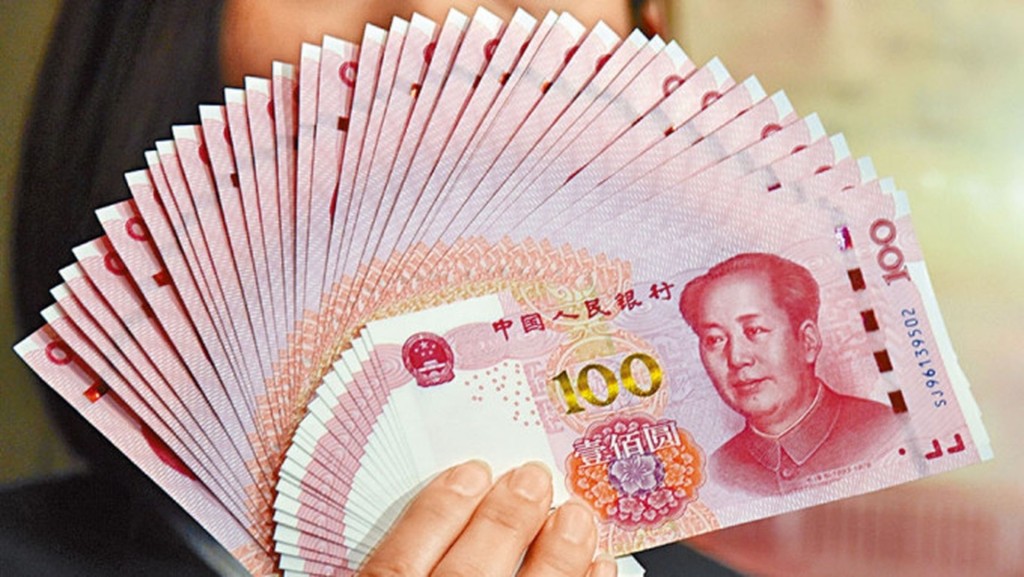
Hong Kong Monetary Authority chief executive Eddie Yue Wai-man outlined an ambitious strategic roadmap for the accelerated internationalization of the yuan. Yue detailed upcoming policy measures designed to optimize offshore liquidity and systematically broaden yuan adoption in international trade, corporate financing, and treasury operations. This decisive push directly addresses the strategic mandates embedded within China’s national 15th Five-Year Plan, which features the long-term objective of “building a financial powerhouse” – a mission that relies heavily on Hong Kong’s distinct institutional layout to connect mainland capital with global markets.
ADVERTISEMENT
SCROLL TO CONTINUE WITH CONTENT
Unchoking currency bottlenecks
While Hong Kong continues to hold the position as the world’s premier offshore yuan business hub, managing a liquidity pool exceeding 1 trillion yuan (HK$1.16 trillion), Yue candidly acknowledged that persistent “pain points” still impede widespread corporate adoption in international trade. The primary obstacle remains structural inertia; a vast majority of multinational corporations manage well-established business models and accounting procedures completely anchored around legacy G10 currencies. To counter this, Yue stressed that local banking institutions must move past viewing yuan services as a passive compliance requirement, and instead seize it as a primary commercial growth vector, proactively educating corporate clients on the cost-efficiency, risk diversification, and reduced foreign exchange losses associated with yuan-denominated settlements.
To break these bottlenecks in the real economy, the HKMA is focusing on creating highly localized, friction-free payment connections with emerging markets. A central pillar of this strategy is the optimization of a direct trading model between the yuan and the Indonesian rupiah, which lowers transaction costs by bypassing intermediate foreign currency conversions. Yue announced that if this direct-settlement framework achieves sustained operational success, the HKMA intends to quickly replicate the mechanism across Southeast Asia and the Middle East, specifically targeting Malaysia and major Gulf economies to institutionalize the yuan as a key regional transaction currency.
Guarding against broader market ripples
This regulatory push aligns with a broader transformation in how global enterprises utilize Hong Kong’s financial architecture. Beyond simple trade settlement, the HKMA’s strategy emphasizes complex, high-end treasury management – encouraging multinational firms to consolidate cross-border cash pools, issue yuan-denominated letters of credit, and even transition the formal reporting currency of group financial statements to the yuan. By leveraging these advanced instruments, Hong Kong aims to secure capital “stickiness,” ensuring that international liquidity remains embedded in its financial ecosystem rather than people treating the city as a temporary transit point for mainland trade.
While charting an aggressive course for the currency’s global footprint, Yue simultaneously urged market participants to maintain strict risk parameters. He pointedly cautioned against an unfolding artificial intelligence bubble in equity markets, warning that potential corrections combined with macroeconomic volatility could stress global bond and equity structures.
By prioritizing robust cross-border clearing networks and structural financial safety over short-term speculative tools, the HKMA’s strategy reinforces the city’s defensive position. As global trade increasingly fractures along geopolitical fault lines, Hong Kong’s transition from a standard offshore transit hub into an active architect of Global South trade infrastructure remains its most compelling survival skill.