
Read More
The summer of 2026 has officially inaugurated a terrifying new epoch of ecological instability. Swept by a ferocious “Super El Nino,” the northern hemisphere is suffocating under record-shattering heatwaves.
ADVERTISEMENT
SCROLL TO CONTINUE WITH CONTENT
In Europe, the scorching heat – with temperatures soaring past 45 degrees Celsius in some areas and hundreds of heat-related deaths reported – has forced many to buy air conditioners they once refused on environmental grounds. The very appliances meant to provide relief, however, only add to the emissions driving the crisis.
In East Asia, the atmospheric whiplash has been dizzying. Just days ago, Hong Kong was battered by a monsoon system that triggered an unprecedented two Black Rainstorm Warning Signals in a single day, only to immediately plunge into a protracted heatwave. Local headlines are dominated by emergency measures: expanding temporary night shelters, optimizing localized “Heat Stress at Work” indicators, and scrambling to construct passive urban cooling grids. Yet, we are treating the climate emergency as a localized exercise in civil defense, a disaster to be dodged rather than a structural symptom to be eradicated.
Fossil fuel lock-in
True climate resilience cannot simply be engineered at the point of impact. If the global community remains fixated on downstream adaptation – building higher sea walls, buying more air conditioners, and establishing emergency rest breaks – while entirely ignoring the upstream levers of carbon mitigation, we are merely managing our own decline. The only meaningful path forward requires shifting the paradigm away from reactive firefighting and toward aggressive, root-cause eradication through a comprehensive transition to renewable energy and the rapid institutionalization of a circular economy.
The urgency of this transition is underscored by the grim economic and geopolitical trends of the first half of 2026. Global energy-related carbon dioxide emissions are projected to rise by 0.5 percent this year, pushed to historic highs of over 38.4 billion tonnes. Humanity remains deeply, pathologically shackled to fossil fuels, actively draining the remaining global carbon budget to sustain outmoded, linear industrial systems.
Compounding this industrial inertia is the underreported carbon toll of modern geopolitical conflict. The outbreak of war in the Middle East earlier this year has shattered all illusions of a smooth green transition. Independent data reveals that the first 14 days of military operations alone generated a staggering 5 million tonnes of carbon dioxide equivalent – an environmental footprint exceeding the entire annual emissions of 84 of the world’s lowest-emitting nations combined. The relentless deployment of heavy bombers, the combustion of millions of liters of jet fuel, and drone-induced oil facility fires are actively supercharging the greenhouse effect.
Circular economies
This toxic cycle proves that we cannot separate regional stability, macroeconomic planning, and climate policy. A society that relies on technical optimization to survive extreme heat while keeping its supply chains linear, its military machines uncounted, and its grid tethered to fossil fuels is engaging in collective delusion.
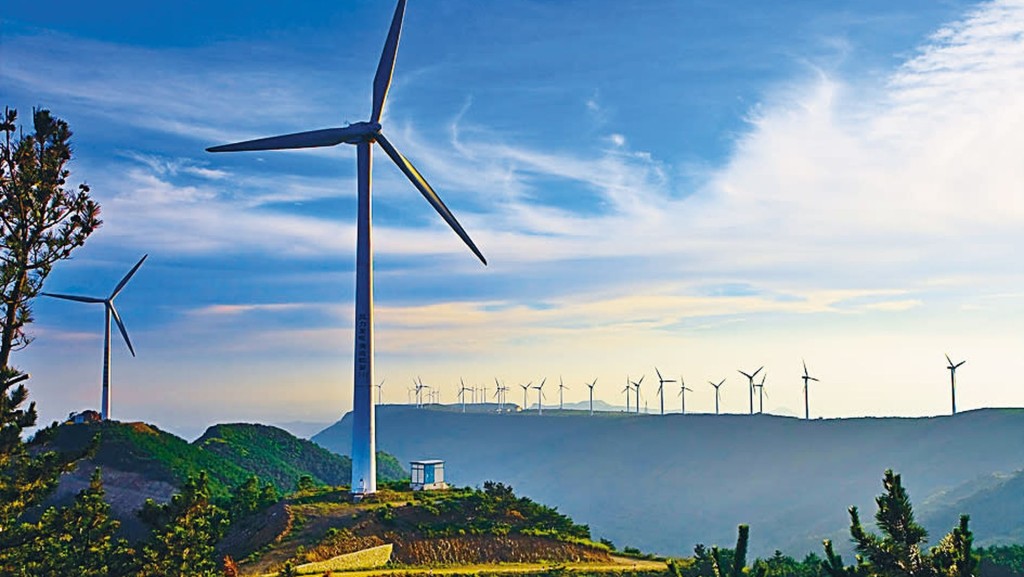
We must restructure our core economic architecture. A true circular economy – where materials are systematically reclaimed, reused, and decoupled from finite resource extraction – drastically reduces the industrial energy demand that drives fossil fuel dependence in the first place. When paired with an unyielding pivot toward solar, wind, and next-generation green grids, we stop treating the symptom and begin curing the disease.
Hong Kong and the wider global community must realize that building a resilient society means stopping the heat at its source. Adaptation is a necessary shield, but mitigation is the only weapon that can win the war. Until global governance confronts the root causes of our warming planet – dismantling fossil fuel infrastructure, halting carbon-heavy military externalities, and enforcing a circular manufacturing paradigm – we are not fighting a climate crisis. We are merely documenting our own catastrophe.