
Read More
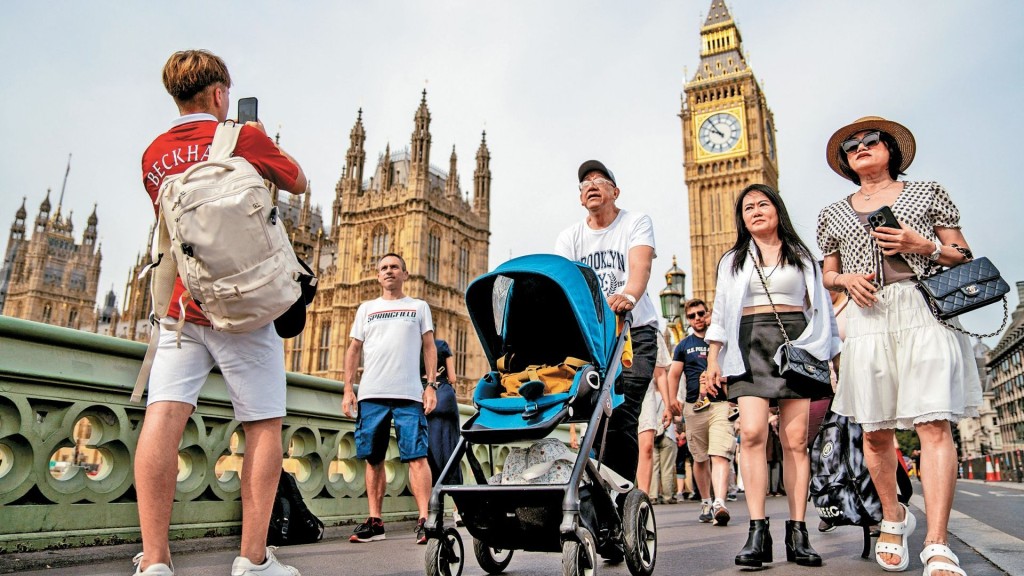
A wave of Hong Kong emigrants is expected to return home from the United Kingdom, as a recent survey revealed that only 22 percent of surveyed British National (Overseas) families intend to “definitely stay in the UK.” A large percentage are actively seeking an exit strategy, primarily spurred by the British government’s policies – outlined in its immigration white paper – which propose an extended, more rigorous time frame for permanent settlement.
ADVERTISEMENT
SCROLL TO CONTINUE WITH CONTENT
Proposed immigration law changes
Facing rising anti-immigration sentiment across the country, the Labour government has proposed tightening immigration frameworks by potentially doubling the standard waiting period for Indefinite Leave to Remain from five years to 10.
While it remains unclear whether these changes will formally sweep in existing BN(O) visa holders, the rhetoric has created immense anxiety. Compounding this, the anti-immigrant Reform UK party – which comfortably leads in the opinion polls and is poised to take power in the next general election – has openly campaigned on a platform to abolish the ILR scheme entirely for all future and existing migrants.
While those who arrived in the initial 2021-22 waves may avoid the brunt of these policy shifts as they cross the citizenship threshold, severe economic hardship, social fragmentation, and cultural barriers are prompting many to reconsider their futures. The UK has suffered from chronically sluggish productivity since the 2008 financial crisis, a structural decline severely worsened by the deep political polarization left in the wake of the 2016 Brexit referendum.
The resulting domestic instability has been breathtaking: Britain is currently preparing for its seventh prime minister in a decade following the high-profile resignation announcement of Keir Starmer on June 22. Despite a staggering 22 billion-pound (HK$231 billion) fiscal shortfall in public finances, climbing national debt, and high borrowing costs, Starmer’s administration recently unveiled a massive 15 billion-pound defense funding package over the next four years to deter Russia’s threats. To plug these financial holes, working families face the grim prospect of deep social benefit cuts and higher tax burdens, squeezing struggling immigrant households to their absolute limit.
All these livelihood issues are also compounded by the scorching heat waves across the UK this summer, which make Hongkongers miss the air conditioners back in Hong Kong – an appliance that remains an uncommon luxury in Europe, now costing over HK$10,000 apiece.
Replenishing the brain drain
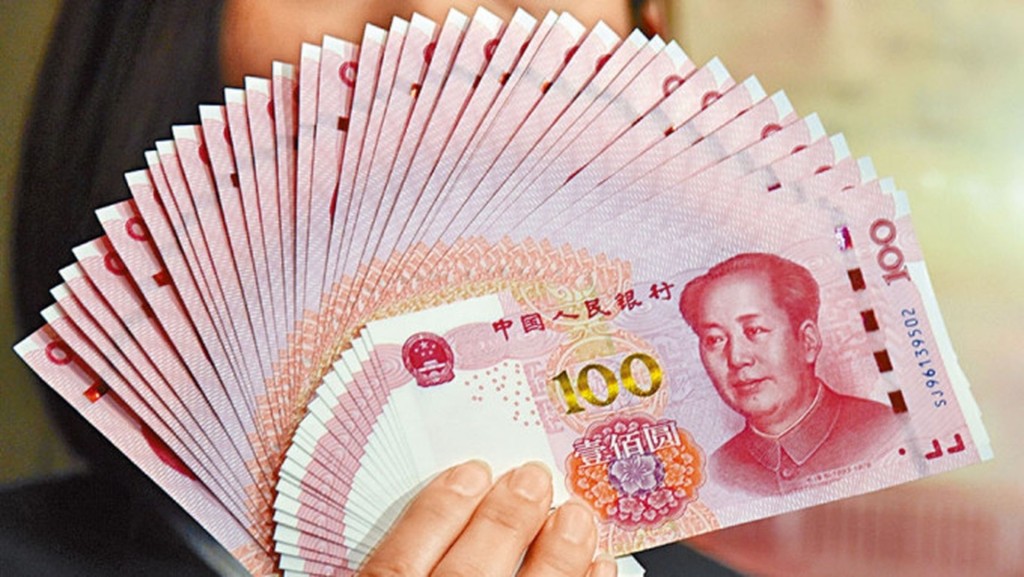
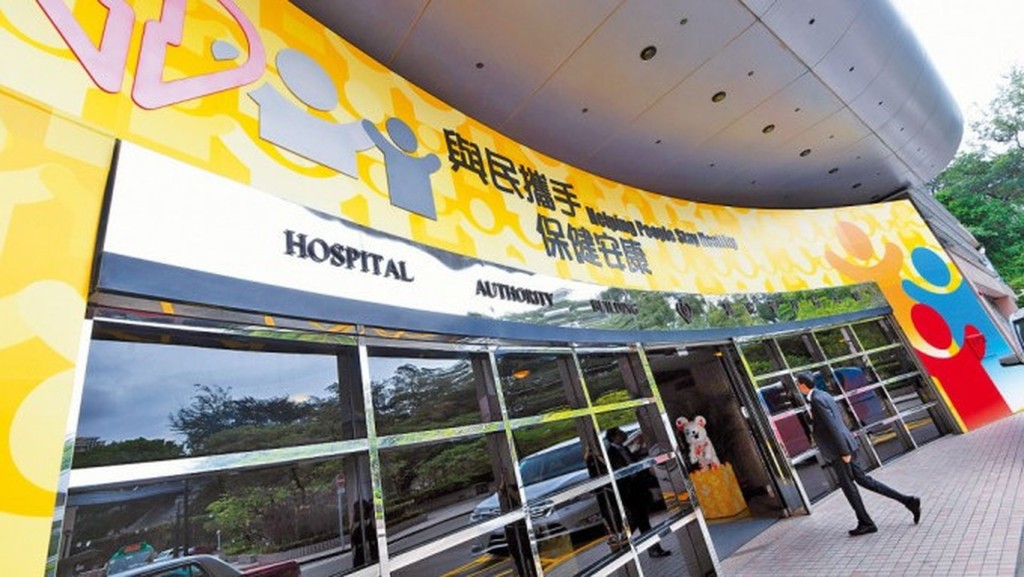
While families who uprooted themselves strictly for political reasons or have deeply integrated their children into British schools are unlikely to move again, young professionals and individuals with agile careers are increasingly looking to return. This reverse migration comes at a highly advantageous time for Hong Kong. Returnees can directly replenish critical local sectors – such as finance, law, engineering, and technology – effectively mitigating the territory’s recent “brain drain.” Furthermore, these individuals are bringing their liquid assets back with them, a capital influx poised to stimulate local banking, insurance, and property markets while driving domestic consumer demand.
Ultimately, a sustained return wave offers deep structural benefits for both the returning families and Hong Kong’s overall economy. However, it requires a clear-eyed approach. Many who left for the UK did so over disagreements regarding the events of 2019 and the local national security laws. Yet, experiencing a fragmented, economically strained Western democracy firsthand has given many returnees a new, vastly different lens through which to view global governance, economic stability, and the new political realities of Hong Kong.