






Read More



Defying the demographic cliff: restoring hope
06-10-2026 04:56 HKT






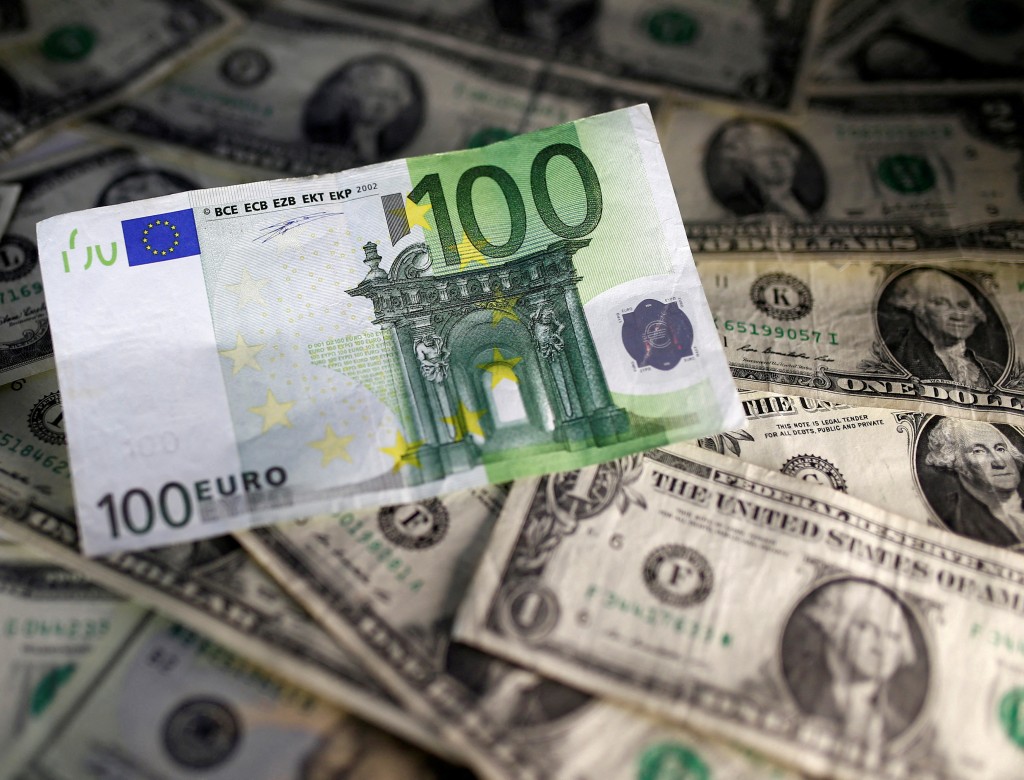
Euro sinks to 17-month low as French fiscal woes spur contagion fears
05-10-2026 14:53 HKT


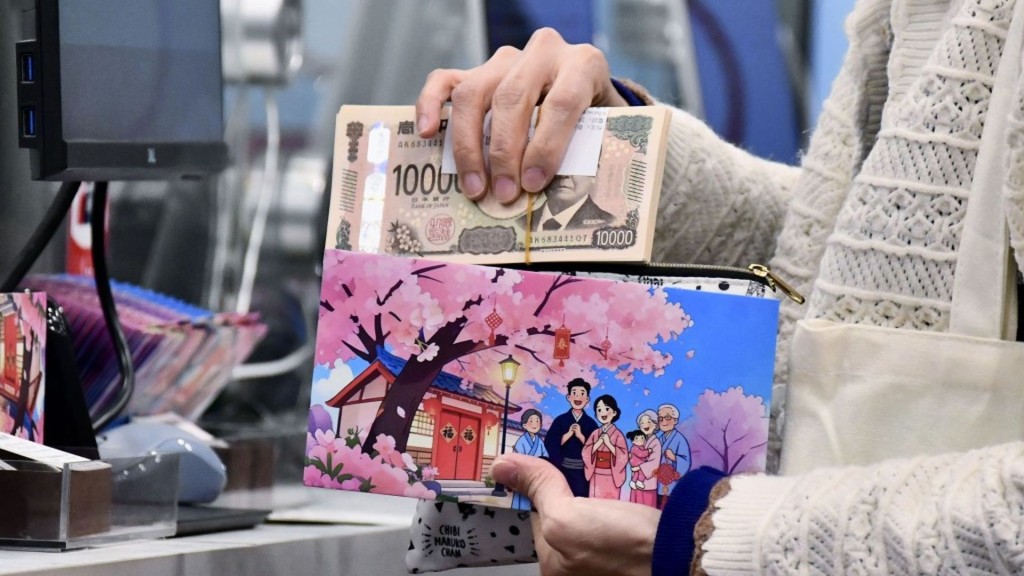
The Japanese yen has plunged to roughly 162 yen (HK$7.80) per US dollar, reaching its weakest level since 1986.
This depreciation is primarily driven by massive interest rate differentials; while the Bank of Japan has maintained an ultra-loose monetary policy, other major economies hiked rates to combat inflation.
Global investors have consequently borrowed cheaply in yen to fund higher-yielding assets elsewhere, placing immense downward pressure on the currency.
This crisis has been severely exacerbated by the blockade of the Strait of Hormuz. Japan depends heavily on Middle East energy, with Reuters reporting roughly 95 percent of its oil imports sourced there and around 70 percent of oil imports transiting the strait, while another Reuters report says about 87 percent of Japan’s energy supply came from imports in 2024.
Because Japan imports most of its energy, Japanese firms are forced to sell massive volumes of yen to purchase crude oil, further devaluing the currency and driving up the cost of living.
The BOJ’s policy response is severely constrained by Japan’s very high public debt, with 2025 government debt at about 248.7 percent of GDP in one dataset and government debt still above 200 percent in late 2025 in another.
Raising interest rates to combat currency devaluation would likely crush the country’s fragile economic recovery and threaten the government’s ability to finance its debt.
Consequently, Tokyo has resorted to selling off US Treasuries, of which Japan remains the largest foreign holder, to intervene in the markets.
This strategy has alarmed Washington, as it can push US Treasury yields higher and complicate US borrowing costs.
This pressure recalls the 1985 Plaza Accord, where G5 nations agreed to weaken the dollar through coordinated intervention; the accord is widely remembered as a turning point that helped force a sharp yen appreciation.
That move helped set off Japan’s post-bubble trajectory, including the asset boom, the 1990 crash, and the long stagnation later known as the Lost Decades.
This historical vulnerability serves as a cautionary tale for Chinese policymakers. At the G7 in June 2026, discussion of China’s currency and trade balance resurfaced, while separate commentary noted renewed calls for broader currency diplomacy around Asian currencies.
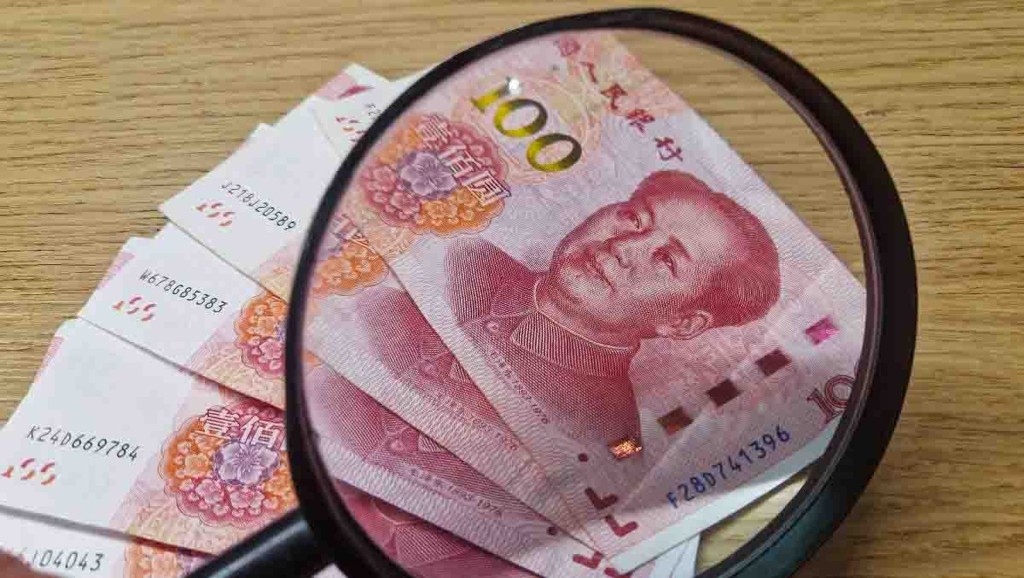
However, the dynamics have shifted significantly since the 1980s. Unlike Japan, China has spent years building alternative payment channels and yuan-based settlement systems.
By diversifying its economic partners and promoting yuan settlement, Beijing aims to reduce the kind of market pressure and political coercion that helped reshape Japan’s economy after Plaza.
As the yen struggles, China’s push for financial sovereignty looks less like a slogan and more like a hedge against the same volatility now hitting Tokyo.