Read More





As Hong Kong having the world’s most expensive petrol highlights systemic vulnerabilities, the city must pivot towards diversification, transparency, and smart policy to secure its economic future.
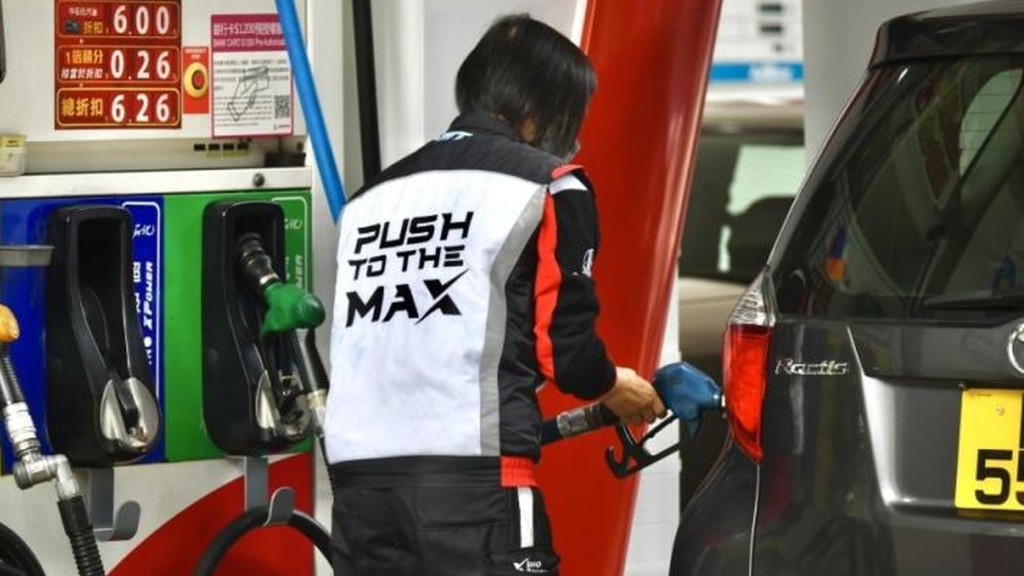
Hong Kong motorists are paying a premium that leads the world, with retail petrol prices currently around HK$32.89 per liter. While global market forces play a role, this position underscores a deeper challenge: the city’s energy policy requires a strategic upgrade to meet modern demands. As geopolitical tensions continue to disrupt global supply chains, Hong Kong’s reliance on an inflexible tax structure, high operational costs, and a concentrated import model leaves its economy and consumers exposed.
More alarming is the discovery of illegal fuel stations, which pose a serious safety threat. While some individuals choose to refill their oil tanks in mainland China, others resort to smuggling fuel into Hong Kong.
To be fair, Hong Kong is not alone in its reliance on imported energy. However, as a leading international financial center that must remain open for business 24/7, it cannot resort to the emergency demand-management tactics seen elsewhere. This reality makes proactive and sophisticated policy not just beneficial, but essential.
The playbook for action is full of proven strategies from other advanced economies. The United States has intervened in oil futures markets to cool prices. Singapore – a fellow city-state with no natural resources – has aggressively used monetary policy to curb imported inflation by adjusting its exchange rate. Other nations have employed dynamic tax mechanisms, temporarily reducing levies at the pump to shield consumers from sudden price spikes.
Hong Kong’s high prices are not an accident; they are the result of several structural factors. First, the fixed fuel tax has remained unchanged for years, lacking the flexibility to adapt to global price volatility. Second, the high cost of land for petrol stations – awarded via government tender with long-term leases – burdens operators with significant overheads before a single drop of fuel is sold, costs which are inevitably passed on to consumers.
Third, the city’s energy supply structure could benefit from greater diversification. Currently, Hong Kong imports nearly all its gasoline from China. Enhancing this model by exploring additional suppliers and energy types would build crucial resilience against potential supply chain disruptions. Finally, the retail market system lacks transparency, which leads to possible collusion among oil companies. As the Consumer Council has previously noted, complex discounting mechanisms can make it difficult for consumers to compare true prices, which can stifle the benefits of genuine competition.
The answer is not simply to mimic the strategic reserves of manufacturing giants – a solution of uncertain feasibility for Hong Kong. Instead, the city must leverage its inherent strengths: world-class financial policy and a drive for efficiency. France has shown that simple measures like random inspections at petrol stations can ensure fair pricing. The US demonstrates how reviewing shipping restrictions can improve logistical efficiency.
More critically, this moment is an opportunity for Hong Kong to embrace a forward-looking diversification strategy aligned with global trends. Hong Kong can accelerate its shift away from fossil fuel dependency by integrating alternative energy.
This means building a robust energy ecosystem that is resilient and adaptable. The government can take the lead by urgently reviewing a comprehensive energy policy that prioritizes demand flexibility, encourages decentralized supply options, and mandates radical transparency in the market, if not regulating oil companies.
The era of treating fuel as a simple commodity is over. For Hong Kong to maintain its competitive edge and ensure stability, it is time to treat energy as the critical infrastructure it is – and to develop a strategic, holistic plan to govern it for the future.