Read More
With Macau smashing visitor records and Hong Kong seeing strong growth, unified regional tourism is the key to capturing the lucrative long-haul market.
ADVERTISEMENT
SCROLL TO CONTINUE WITH CONTENT
The post-pandemic travel rebound has revealed a fascinating dynamic in the Greater Bay Area. While Macau has already eclipsed its 2019 visitor numbers – welcoming a record 40.06 million arrivals in 2025 – Hong Kong is on a strong trajectory toward a full recovery, hosting 49.9 million visitors last year. These figures are not just statistics; they are a mandate for change.
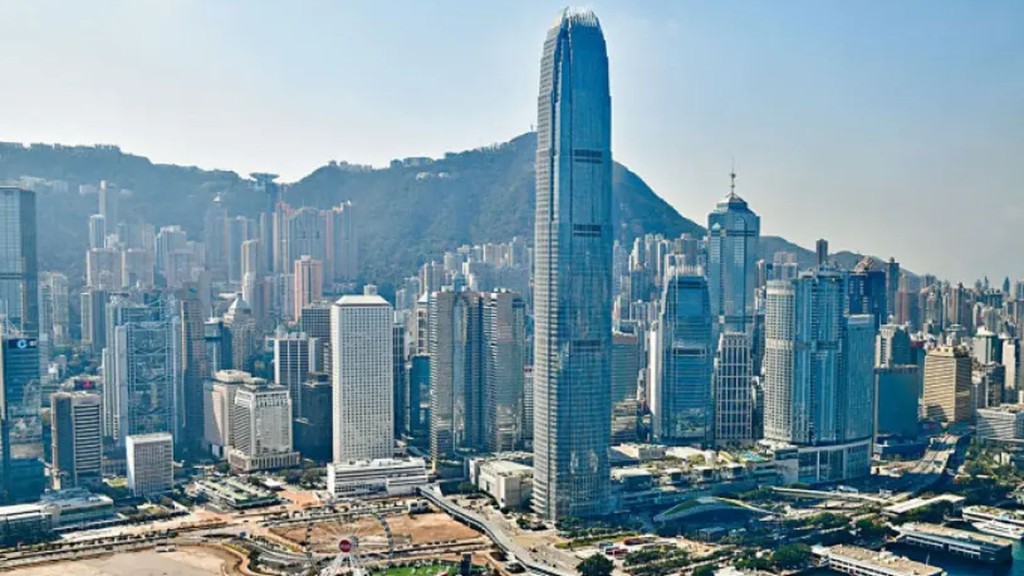
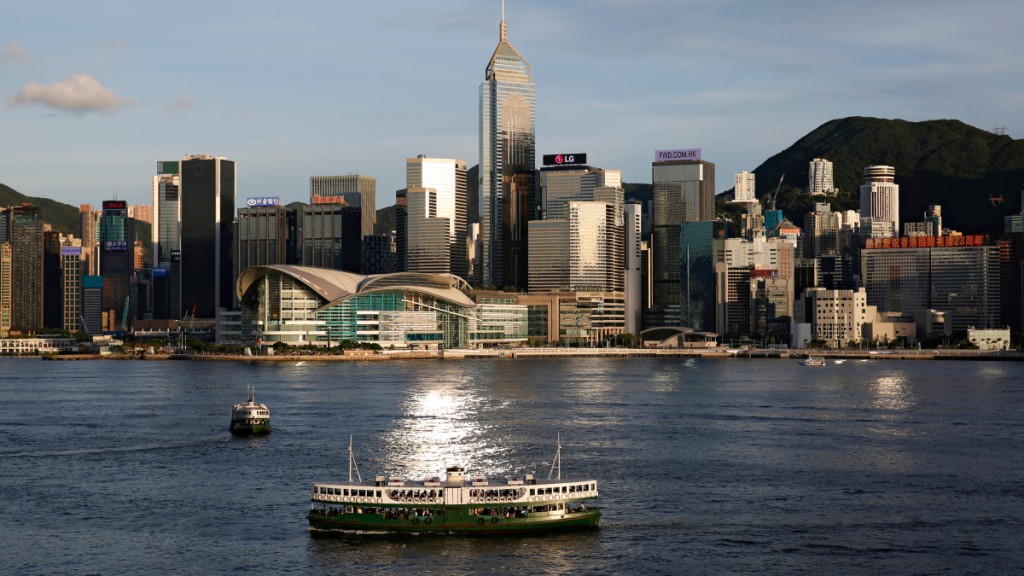
Hong Kong and Macau have room to market themselves together, given the vast improvement in regional infrastructure and connectivity. To capture the imagination – and wallets – of long-haul travelers, the GBA must leverage the synergy of its three key nodes: Hong Kong, Macau, and mainland Guangdong.
The strength of synergy
Long-haul visitors, particularly from Europe, North America, and the Middle East, rarely travel across the globe to see just one city. They seek diverse, immersive experiences. The GBA offers precisely that.
Last year, both Hong Kong and Macau saw double-digit growth from Southeast Asia and North Asia. More telling are the complementary differences in long-haul markets. While Hong Kong successfully attracted Australians and Europeans, Macau saw a nearly 10 percent surge in US visitors. This divergence is a perfect opportunity for cross-selling; a history buff flying into Hong Kong can easily be convinced to extend their trip to Macau, and vice versa.
A tale of three cities
The narrative writes itself. Hong Kong’s colonial history is distinctly British, while Macau retains the soul of Portuguese rule. These differing legacies are a powerful lure. Yet, they are not the only stories to tell. The region shares common roots that can fascinate visitors.
Take the story of Lee Kum Kee, the global oyster sauce empire. It originated in Xiangshan – present-day Zhongshan – before moving to Macau, and eventually established its global headquarters in Hong Kong. This single narrative encapsulates the entrepreneurial spirit and interconnectedness of the GBA.
Similarly, while both SARs share Cantonese culinary traditions and venerate maritime deities like Tin Hau, their cultural evolution diverged. Macau’s once-thriving firecracker industry – recently showcased at the Sands Gallery – offers a unique industrial heritage angle that differs from Hong Kong’s industrial history. By bundling these experiences, we offer tourists a richer tapestry than any single city could provide.
Connectivity is king
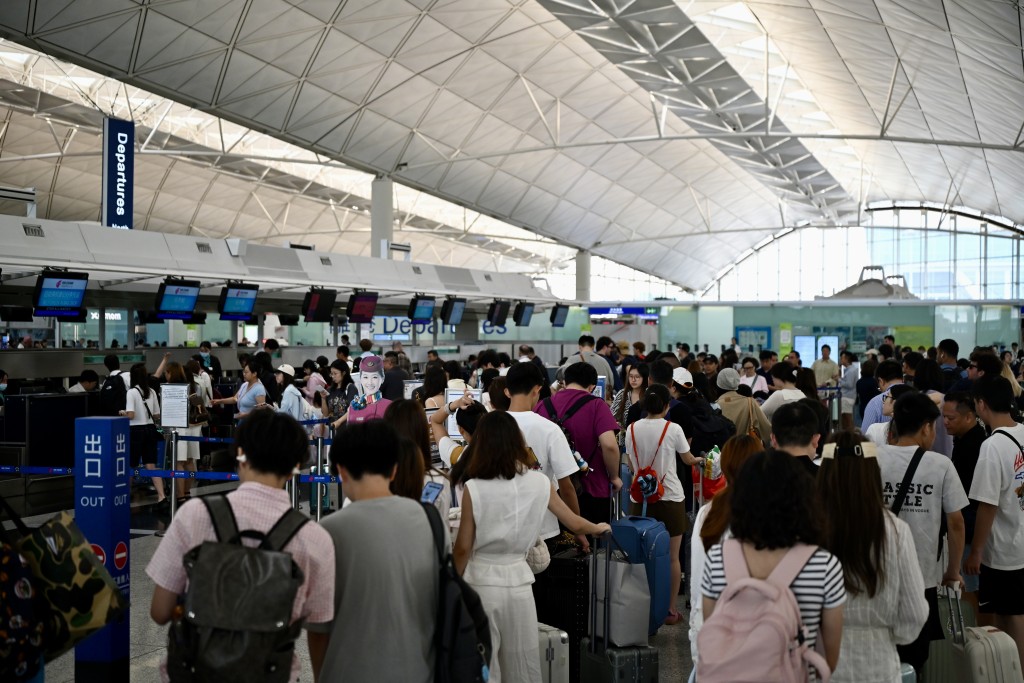
The physical infrastructure to support this integrated tourism model is already in place. The Hong Kong International Airport serves as a massive gateway, funneling global visitors and expatriates into the region.
Improved transport links, including the possible Hong Kong-Shenzhen Western Rail Link extending to Nansha, and existing visa-free transit policies, make multi-city itineraries seamless.
The message is clear: to secure the GBA’s place as the world’s premier travel destination, we must begin collaborating. By packaging our shared heritage and unique differences, we don’t just attract visitors – we captivate them.
This is particularly compelling considering the GBA is now one of the safest places in the world.