





Read More








Taxi stuck sideways in narrow Central alley
24-08-2026 15:55 HKT

IT manager sentenced to 22 months for stealing $1.2m in Deloitte laptops
21-08-2026 21:49 HKT


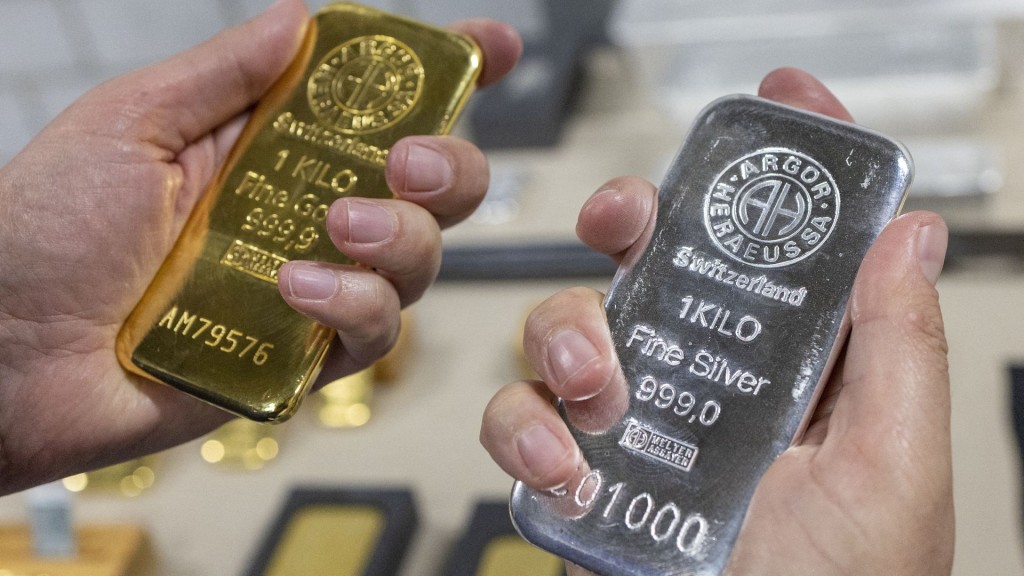
As global havens dwindle, China strengthens its hand in precious metals and currency influence. In an era marked by geopolitical turbulence and monetary uncertainty, the world is witnessing a profound scramble for safe-haven assets. This urgent demand explains the relentless surge in the prices of gold and even silver. At this precise juncture, the strategic collaboration between Hong Kong and Shanghai to develop a joint bullion market, leveraging mainland China’s mature warehousing and physical delivery expertise, is a timely and masterful move.
Several powerful forces are converging to fuel gold’s ascent. Firstly, the trend of de-dollarization has intensified, partly driven by aggressive US trade and foreign policies in recent years. Institutional investors are increasingly diversifying away from US Treasuries and assets, turning instead to gold – a timeless, fungible asset universally recognized as a store of value. Secondly, the extreme volatility of cryptocurrencies, a market once buoyed by endorsements from figures like US President Donald Trump, has reaffirmed the need for tangible stability. Thirdly, amidst global monetary experimentation, there is renewed discussion about the viability of a return to a Gold Standard – a system that pegs currency value to gold, ensuring stability but limiting monetary flexibility, as seen in its heyday from the mid-19th to early 20th century. These explain why central banks around the world have been buying gold.
History offers a compelling parallel. When the United States abandoned the Gold Standard in the 1930s, it triggered a silver price boom and significant outflows of silver from mainland China, which saw the metal as a foundational currency back then. Today, as China’s economic strength grows, so does its need for greater representation in global gold pricing. The partnership between Hong Kong, an international financial center, and Shanghai, a domestic powerhouse, is designed to meet this strategic imperative. For commodity trading, physical delivery is non-negotiable, and Hong Kong’s robust legal framework and high level of safety provide a critical advantage for secure vaulting and settlement.
This initiative is far more than a simple market link. It will catalyze both hubs to innovate, introducing a wider array of gold-related investment products for sophisticated asset allocation and hedging. The development of a dedicated gold clearing system will be a game-changer, significantly enhancing Hong Kong’s role as a central hub for RMB clearing, trading, and pricing. This, in turn, boosts the international application and pricing power of the Chinese yuan in global commodity markets.
Furthermore, this gold ecosystem will perfectly complement the existing London Metal Exchange operations under Hong Kong Exchanges and Clearing, creating a comprehensive metals trading powerhouse. In essence, this collaboration strengthens not only the financial roles of Hong Kong and Shanghai but also supports China, the world’s primary manufacturer, which requires stable access to various precious and industrial metals for production.
By securing a pivotal role in the global gold market, China is not just providing a safe haven for the world’s capital; it is strategically anchoring its financial future and cementing the yuan’s place in the international monetary order.