Read More



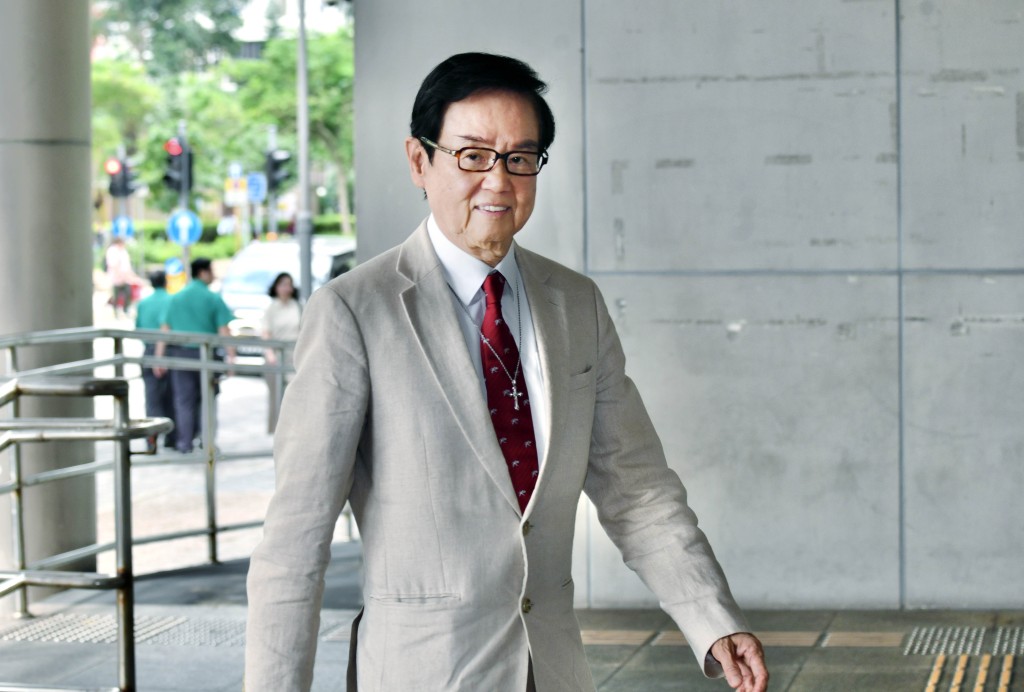
HK movie producer Raymond Wong Pak-ming convicted of insider dealing
22-05-2026 17:10 HKT
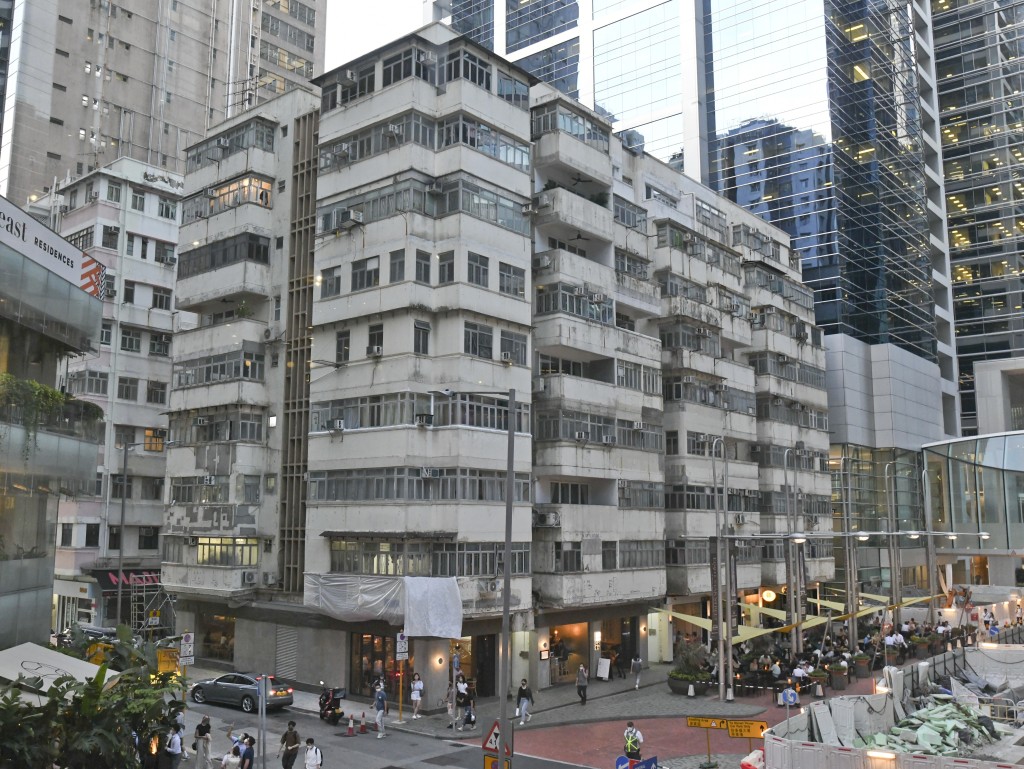
Swire Properties wins compulsory auction for $2.02b Quarry Bay property
22-05-2026 20:36 HKT


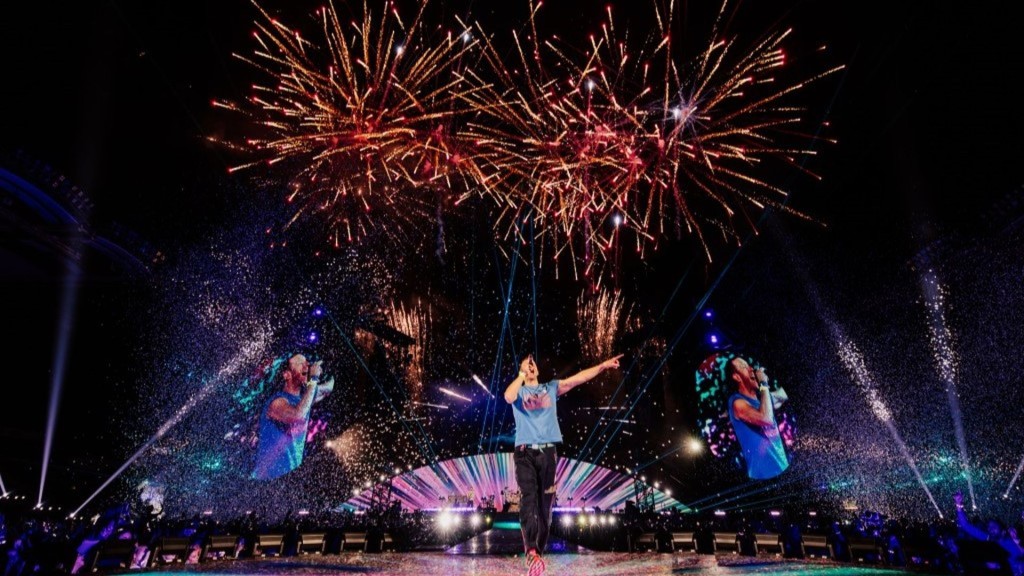
Hong Kong’s identity as Asia’s world city is built upon a foundation of renowned corporate governance. From the strict oversight of the Hong Kong Stock Exchange to the robust regulatory framework of the Securities and Futures Commission, our commercial success is globally recognized.
Yet, this culture of excellence in oversight and management remains largely confined to the financial sector. It is time for Hong Kong to lead a new wave of reform by extending these vital principles of good governance to its sports associations and cultural institutions. This is not about commodifying passion; it is about applying the same rigor that defines our economy to the sectors that define our soul, ensuring their sustainable growth and integrity.
A governance deficit in public trust
The need for this shift is acutely visible in our city. Recent years have seen some sports associations – from football to martial arts – facing public scrutiny over allegations of internal mismanagement, a lack of financial transparency, and opaque election processes. These governance failures lead to wasted public funds, squandered athlete potential, and a loss of public trust.
Similarly, our vibrant cultural and arts sector, including major museums and festivals, operates under intense public expectation. Questions about programming choices, financial sustainability, and stakeholder engagement often arise.
Without robust accountability mechanisms, these world-class facilities risk underdelivering on their promise to be a cornerstone of Hong Kong’s soft power.
A framework for excellence
Applying a governance framework modelled on Hong Kong’s corporate best practices offers a clear solution.
First, it means mandating greater board diversity and independence for subsidized organizations. Appointing independent directors with expertise in finance, law, and strategic planning – drawn from Hong Kong’s deep talent pool – can provide crucial oversight and challenge insular thinking.
Second, implementing strict transparency and reporting standards for bodies receiving public funding is essential. Clear, publicly accessible annual reports and audited financial statements would build confidence among taxpayers, sponsors, and the community.
Third, embracing stakeholder engagement is key. The stakeholders of a Hong Kong sports club are its athletes, fans, and the local community. A cultural association must answer to artists, patrons, and the public. Formalizing their input ensures these institutions remain relevant and serve Hong Kong’s broader social interests.
Sceptics may argue that injecting corporate-style governance will sterilize the unique passion of Hong Kong’s sports and culture – our famed “Lion Rock Spirit.” This is a false dichotomy.
Good governance does not replace passion; it enables and protects it. It doesn’t dictate artistic expression or coaching methods.
Instead, it ensures that a Hong Kong athlete has a well-managed association supporting their training, that a local arts group can access funding fairly, and that iconic institutions are on a stable financial footing for the long term. It is the framework that allows passion to thrive sustainably.
Building a legacy for Hong Kong
As Hong Kong continues to reinvent itself, the strength of its entire ecosystem matters. By championing governance reform in sports and culture, the government and community leaders can foster institutions that are not only world class in their output but also in their operation. This commitment to accountability, professional management, and long-term strategic planning will build a more resilient, trustworthy, and vibrant society for all Hongkongers. It’s a necessary step to secure our cultural legacy and athletic pride for generations to come.