Read More

Morning Recap - September 15, 2026
2 hours ago




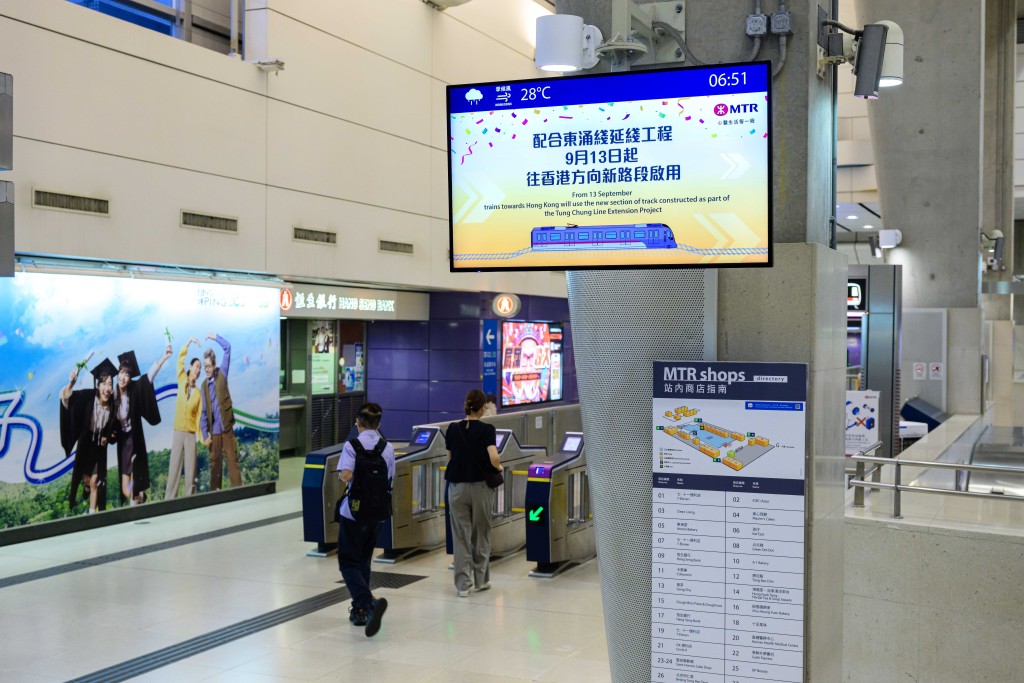
MTR opens new Tung Chung Line Extension track section with smooth service
13-09-2026 12:59 HKT


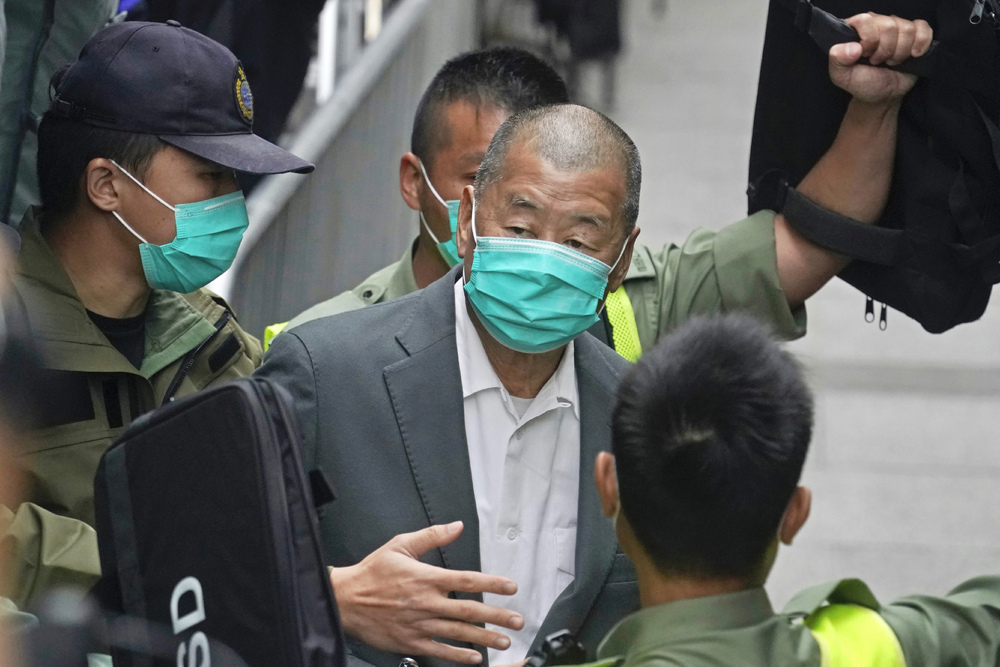
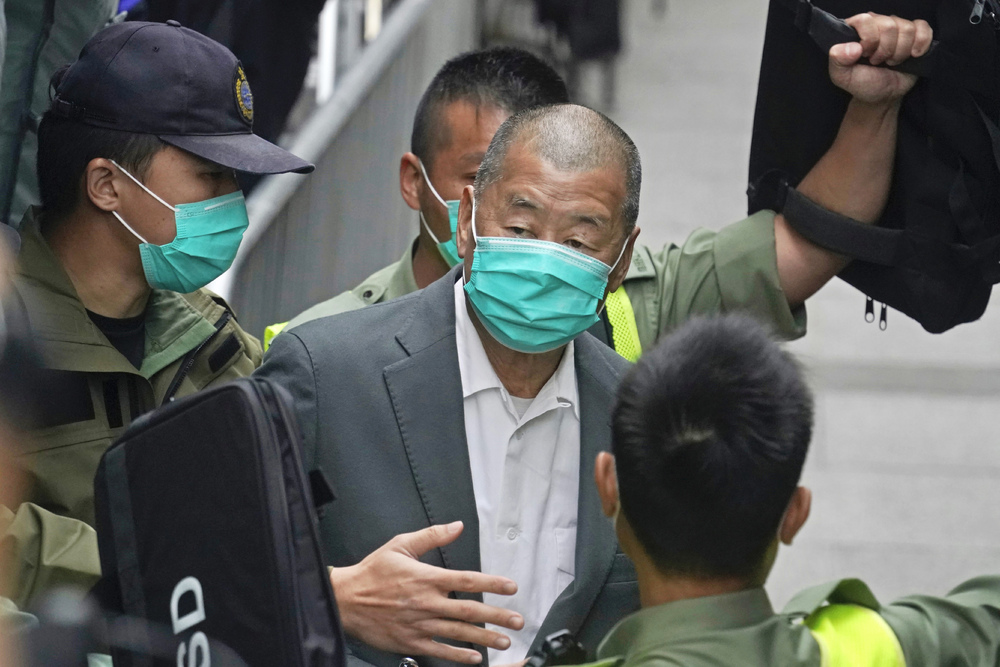
After the national security law took effect, Next Digital founder Jimmy Lai Chee-ying informed ex-Apple Daily columnist Simon Lee Sai-man that Hong Kong needed support from the United States, as the court heard on the 107th day of Lai's trial.
However, Lai cautioned Lee that it would be "too dangerous to advocate sanctions."
In a WhatsApp conversation on July 15, 2020, Lai shared a link to comments by then-US Secretary of State Mike Pompeo, who expressed concern over remarks by Hong Kong's Chief Executive Carrie Lam Cheng Yuet-ngor regarding potential violations of the national security law during pro-democracy primary elections.
Lai wrote, "We indeed need as much help as possible from the US government, thanks Pompeo!"
That same day, Lai posted on Twitter (now X), thanking Pompeo and the US Consulate General in Hong Kong for their support of Hongkongers, saying the importance of worldwide protests against China's suppression of freedom.
In court, Lai said that the post was written by Simon Lee, who he acknowledged could act as his "agent" for managing social media.
Chats between Lai and his assistant Mark Simon on the same day via Signal indicated that Pompeo had questions about Lai's previous statement advocating for the US to maintain ties with Hong Kong.
Lai responded that sanctions should target China rather than Hong Kong, arguing that revoking Hong Kong's special status would pressure China to meet US demands as its options narrowed.
Simon also forwarded Lai a letter from former US Consul General in Hong Kong James Blair Cunningham, urging then-presidential candidates Donald Trump and Joe Biden to adopt a stronger stance against China, which Lai welcomed.
During his live chat program "Live Chat with Jimmy Lai" on July 17, 2020, Lai addressed concerns about Next Digital's future under the national security law.
He assured viewers that he would not ask his staff to become "martyrs" but believed they would uphold core values and work as usual.
He advised them to be more cautious, initially stating they "should cross the line," but later corrected himself, saying they "shouldn't cross the line."