Read More
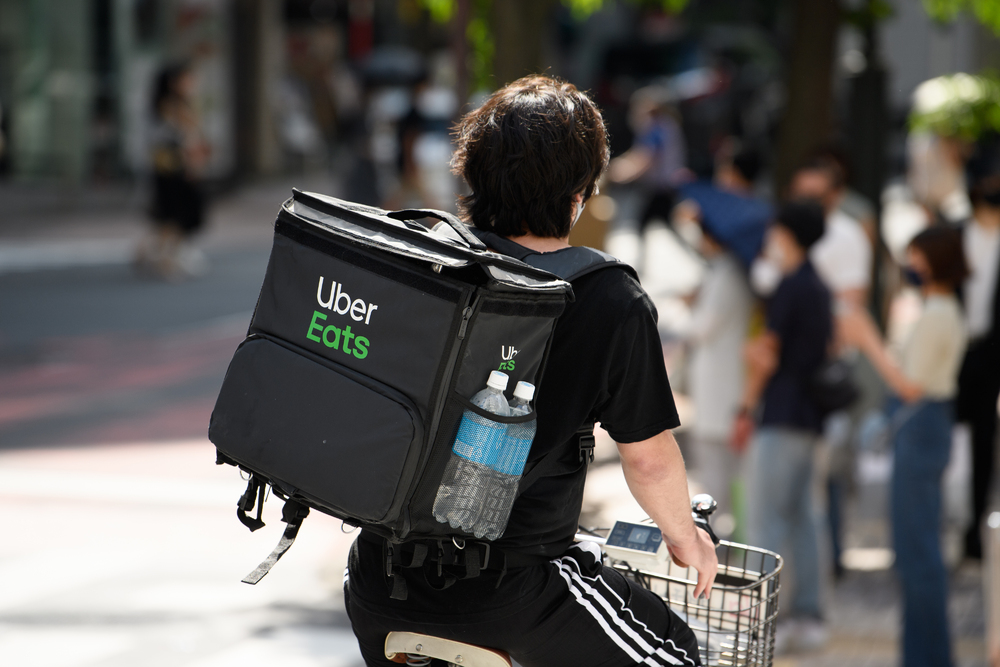
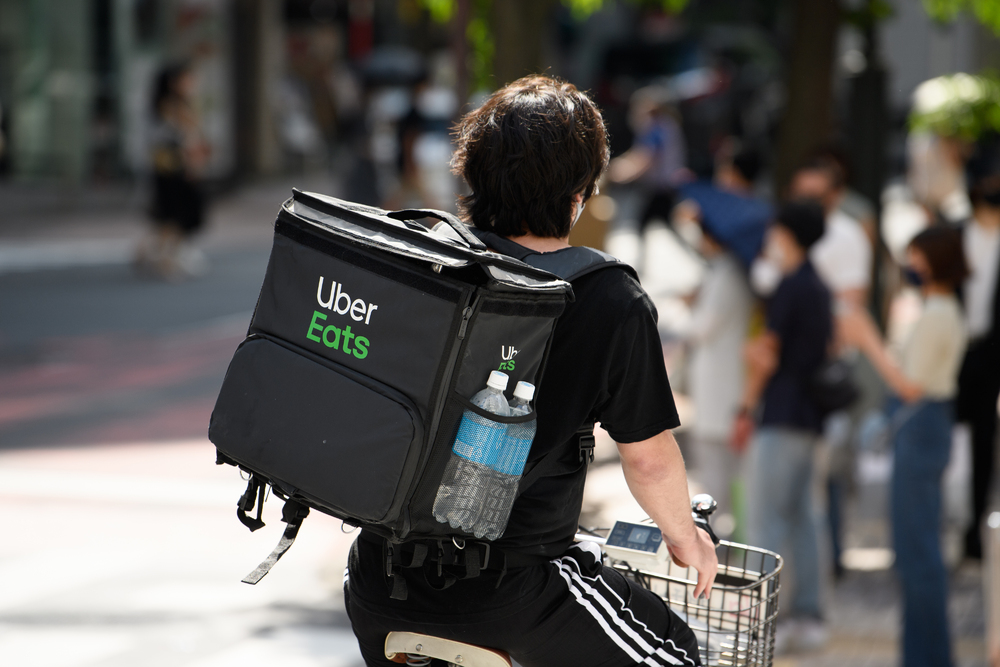
Uber Eats will stop service in Hong Kong on December 31 after five years partnering with restaurants and deliverymen.
ADVERTISEMENT
SCROLL TO CONTINUE WITH CONTENT
Uber told The Standard yesterday it was a difficult decision to make - and that Uber Eats had not grown as expected in Hong Kong.
Catering insiders believe a major reason is that Hongkongers love to eat out and, after the relaxation of Covid-19 social distancing measures, fewer people now order food deliveries.
Uber said in a statement yesterday: "Whilst we wind down our delivery platform operations in Hong Kong, we are more committed than ever to growing our mobility platform in the city, which is home to our largest Uber Taxi business globally."
The company said it will keep investing and serve more riders and drivers in coming years.
Hong Kong's Uber Taxi business is ranked No 1 globally and contributes more than 25 percent of the global Uber Taxi business.
In reply to The Standard's enquiry about the reasons behind the US-based Uber Eats' withdrawal from Hong Kong, a spokeswoman said: "Uber Eats has unfortunately not grown as expected in Hong Kong.
"It was a very difficult decision to make. The decision has been made independent of the global pandemic, and is in line with our broader strategy on Uber Eats."
Uber Eats is currently available in about 6,000 cities in 45 countries.
The spokeswoman said Uber Eats has notified deliverymen, restaurants partners and customers of the platform's suspension and will continue to offer them support until January 31 - one month after delivery services end on December 31.
"We thank them for their continued support over the last five years," she said.
However, deliverymen are typically hired by "self-employment contracts" and are unlikely to receive compensation.
There are three major takeaway delivery platforms in Hong Kong: Deliveroo, Food Panda and Uber Eats.
According to App Annie, there were 1.27 million active users on Food Panda, 625,300 on Deliveroo and 289,400 on Uber Eats as of April this year.
Also in April, Uber Eats announced it had almost 700 deliverymen, 7,000 restaurant partners and 1.5 million registered users in Hong Kong.
Catering veteran Simon Wong Ka-wo said Hong Kong has barely seen Covid-19 outbreaks for months and citizens are more willing to dine out rather than order home delivery.
"Delivery services typically see business bloom during Covid-19 peaks, but once the cases cool down people go out to eat again and delivery platforms may find the difference too big to sustain a growing business," said Wong, who is president of the Federation of Restaurants and Related Trades.
He said another reason could be the saturation of the local delivery market, as Uber Eats' major competitors Food Panda and Deliveroo stepped up with promotions to appeal to more customers.
"It's not easy to run a delivery platform. Most of them require a considerable operational cost. It depends on whether the companies have ample resources," said Wong.
Food Panda's deliverymen went on strike earlier this month in opposition to the platform cutting their pay. After lobbying, Food Panda agreed to most of the deliverymen's demands, including calculating delivery fees according to distance.
Deliveroo last year also saw strikes after the company cut the HK$35 minimum salary for delivery of each order. Wong said the strikes revealed the hidden workforce problems in the sector, adding they will add pressure to operators.
Catering and Hotel Industries Employees General Union spokesman Ho Hung-hing said the withdrawal of Uber Eats from Hong Kong meant less competition in the delivery market and employees may find it more difficult to fight for better pay and benefits.
Ho said delivery operators usually asked employees to sign a "self-employment contract" declaring the company can adjust service charge and pay anytime.
"They will tell deliverymen they're suffering from a deficit and have to cut their salaries. On the other hand, they pump up advertisements," he said.
In July, Uber Eats introduced singers Joyce Cheng Yan-yee and Alfred Hui Ting-hang as the brand's new ambassadors and rented large advertising spaces in MTR stations.
Ho said it signified the decision of discontinuing Uber Eats in Hong Kong came abruptly, adding the American company could be making the move to stop the bleeding as it does not think it can catch up with its major competitors.
Hong Kong Information Technology Federation honorary president Francis Fong Po-kiu said Uber Eats has a small market share of 10 percent in the SAR.
As Uber bought taxi-hailing platform HKTaxi earlier, he said the company may see more significant potential in advancing its taxi-related business.
Uber launched the Uber Taxi service in 2020, allowing users to hail taxis using its app.
Apart from the HKTaxi acquisition, Uber is investing HK$3.6 million in a taxi driving license rebate scheme to help new drivers join the taxi industry. The initiative will offer taxi drivers a HK$1,000 rebate after enrolling in taxi driving courses, passing a written exam and obtaining their taxi license.