In a city that’s a melting pot of cultures, temples are an integral part of spiritual life in Hong Kong, with people turning to their favorite deities to seek blessings for every reason and season.
More than 600 temples are tucked into every corner of Hong Kong’s compact urban space. Some a century old, others witness to 700 years of history.
Given its origins as a fishing community, many of Hong Kong’s temples are located along the coast and dedicated to deities like Tin Hau, the goddess of the sea, to whom many pray for safety and protection, and Pak Tai, who is known to ward off plagues.
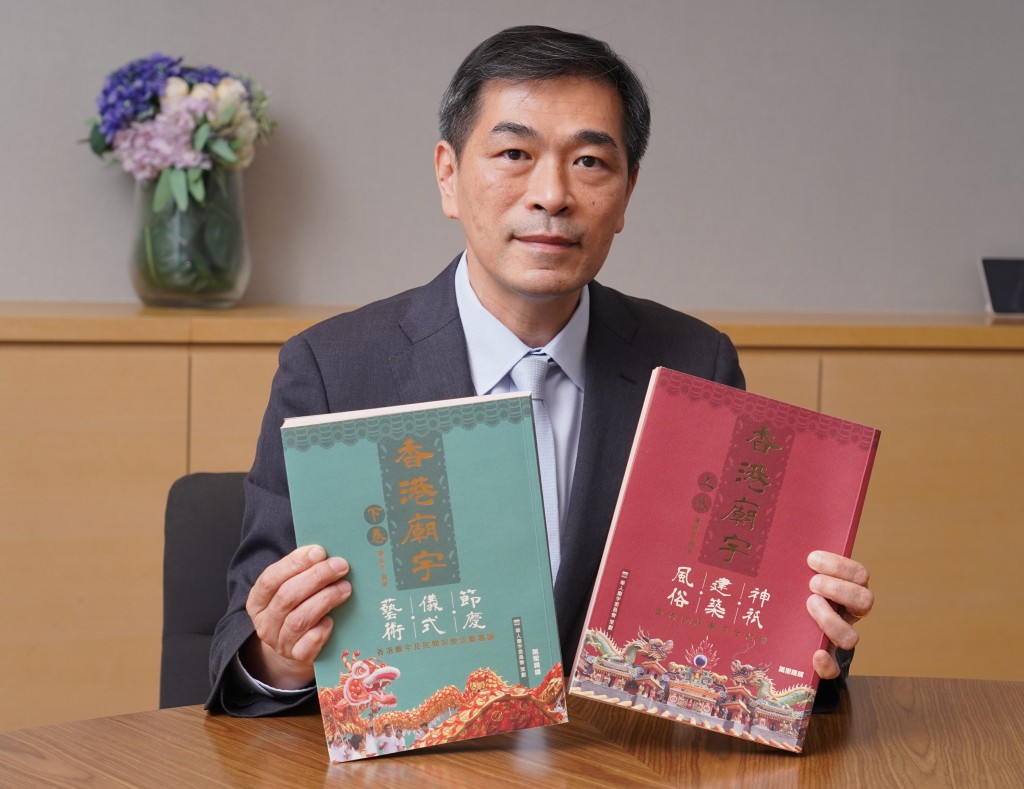
Each temple has its own attraction, says Ricky Wong Kwong-yiu, a member of the Chinese Temples Committee who also serves as the managing director of Wheelock Properties.
“For those seeking love, the Kwong Fook Tsz in Sheung Wan is the place to go. To boost financial luck, the Kwun Yum Temple in Hung Hom is a must-visit,” he says.
Ricky Wong notes that every temple holds unique magic.
Their reputation for divine responsiveness even draws the non-religious to them.
While the famous Wong Tai Sin Temple is known for its efficacy, the Che Kung Temple in Sha Tin has even won the hearts of people from Thailand, a country with deep Buddhist roots.
Legend has it that the temple earned a reputation for changing fortunes, after a little-known Thai actor rose to fame after praying there.
Today, the temple attracts a steady stream of Thai tourists and its notices even feature Thai translations, Wong says.
Many of these temples also host festivals such as the Mid-Autumn Fire Dragon Dance, where a dragon twists through night streets and bows toward Lin Fa Kung in Tai Hang – a ritual to invoke peace and wealth.
Over the years, Hong Kong’s temples have evolved with the times.
“Infusing contemporary elements captures younger generations and breathes new life into these ancient spaces,” Wong says.
The Tam Kung Temple in Shau Kei Wan is dedicated to the sea deity known for his healing powers, but is now attracting women who want to look young.
This is because Tam Kung is usually portrayed as an 80-year-old with the face of a young boy as he is believed to have learnt the secret of remaining forever young when he was a child.
They see him as the divine option to famed Japanese skincare brand SK-II, Wong laughs.
Similarly, the Sam Tai Tsz and Pak Tai Temple in Sham Shui Po witnessed renewed interest due to the popular animated blockbuster film Ne Zha 2, with visitors honoring the deity’s filial and righteous persona as portrayed on screen.
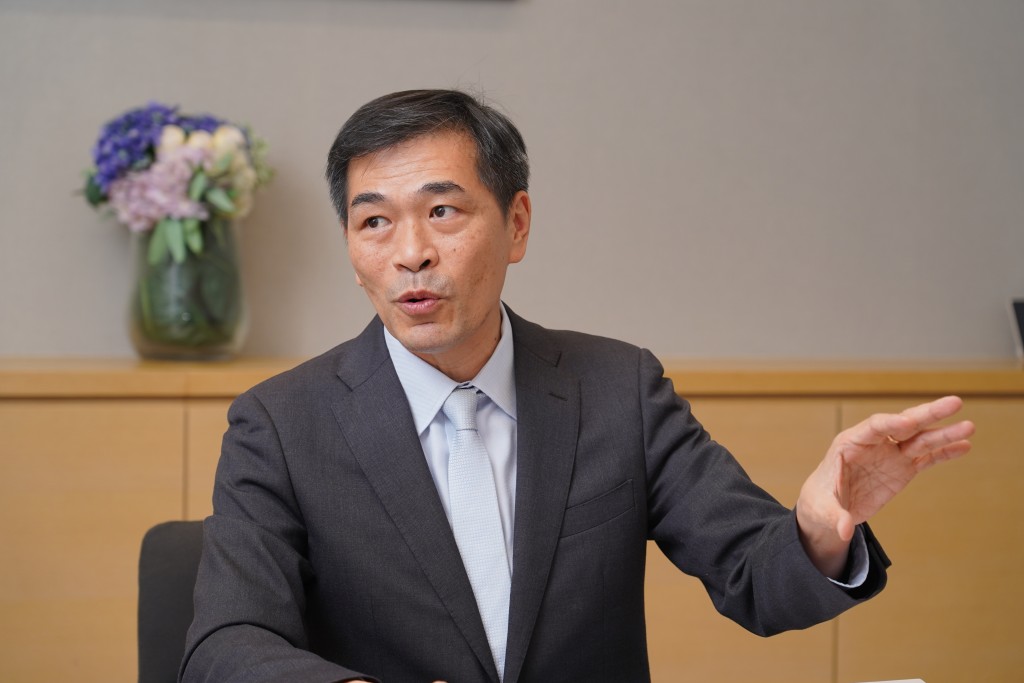
Ricky Wong says contemporary elements draw youth to ancient spaces.
However, it’s no easy task to preserve the city’s temples, says Wong, who is chairman of the committee’s finance and management working group.
Maintenance remains the biggest expense, and with the number of skilled local craftsmen on the wane, the CTC sometimes has to call in experts from the mainland to handle repairs and renovations.
Meanwhile, some old temples that are not well known are running at a loss, he says.
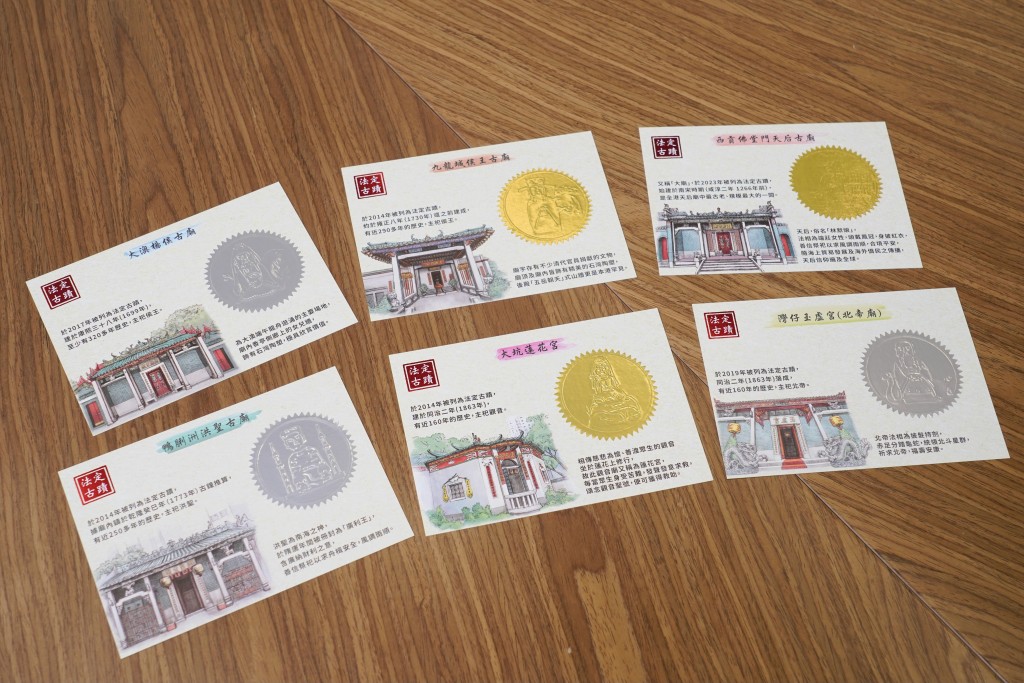
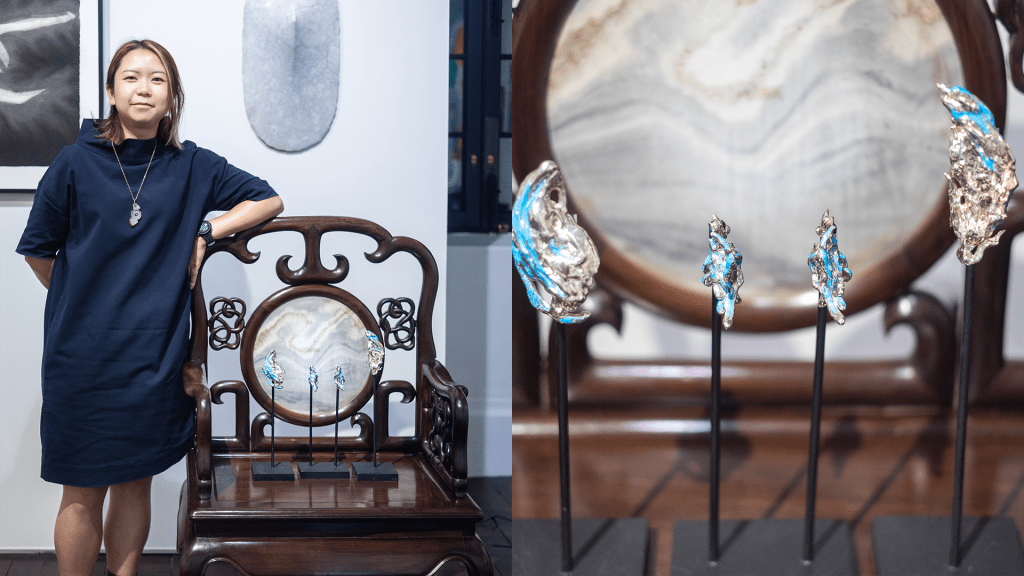
To sustain Hong Kong’s temple heritage, the committee is exploring creative ways to attract visitors, teaming with local artists to create cultural products, from postcards to temple-themed board games.
CTC teamed with local artists to create cultural products, from postcards to temple-themed board games.
The Hong Kong Temples Culture Festival is also set to be held at Che Kung Temple from December 13 to 14, to foster a deeper connection with temple traditions.
Wong himself is planning new tourism routes linking Hung Shing Temple and Shui Yuet Kung in Ap Lei Chau with Aberdeen’s Tin Hau Temple. This will not only attract more visitors to these temples but also boost businesses like catering and help the “temple economy,” he says.
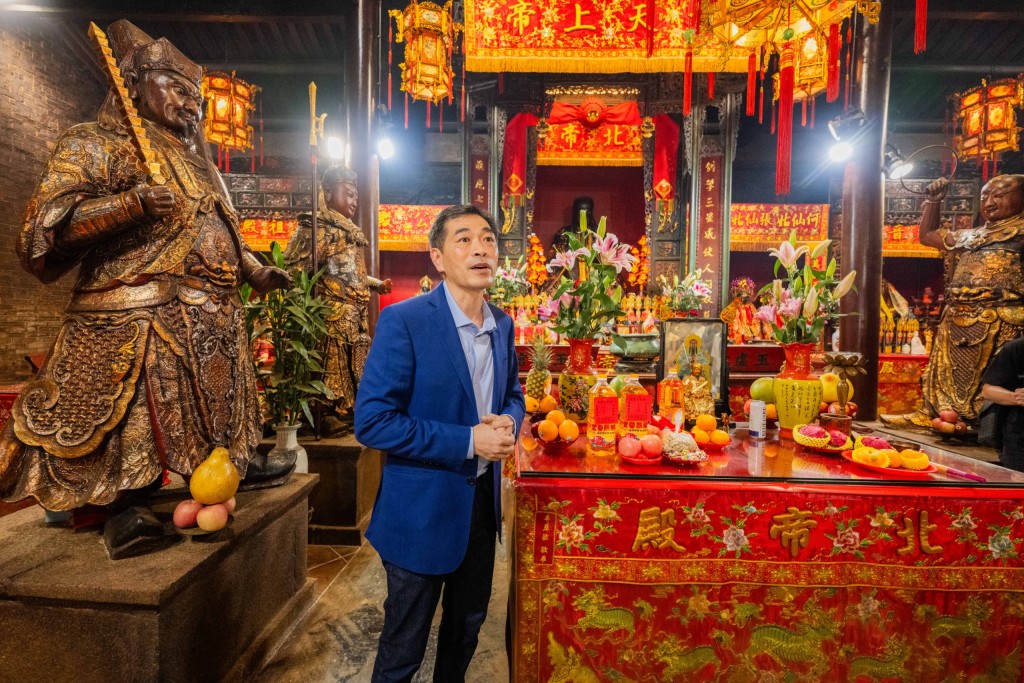
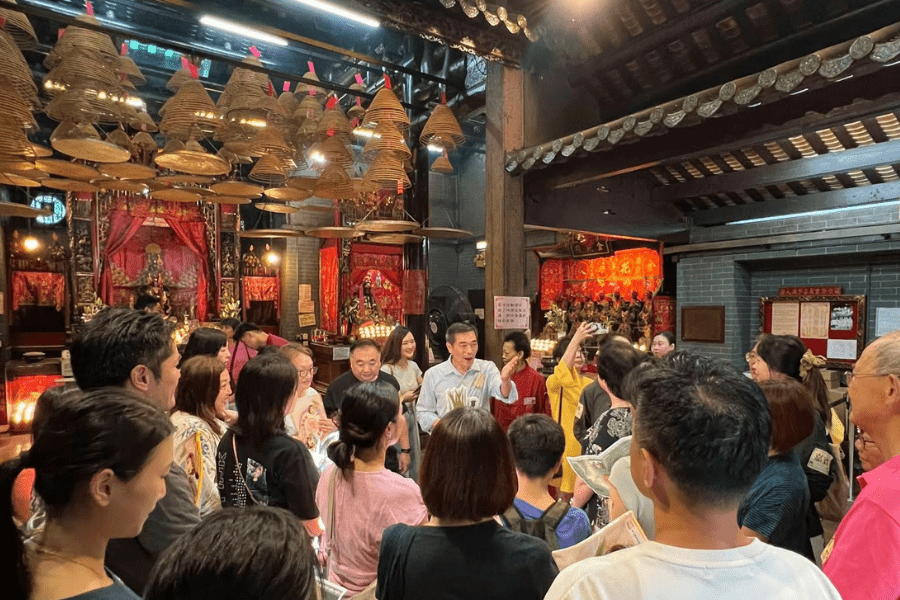
Wong also actively participates in activities to promote temple culture, including visiting the Yuk Hui Temple in Wan Chai during the walking tour.
"Unlike property, temples are about preservation, not development,” he warns.
"Without preservation, these invaluable cultural treasures may fade into history.”
HELEN ZHONG