






Read More


Sunset Peak hikers stranded as Pak Kung Au Bus Station swamped by queues
09-11-2026 18:01 HKT

Hong Kong’s first Pokémon Center pop-up opens at Festival Walk on Wednesday
09-11-2026 19:23 HKT


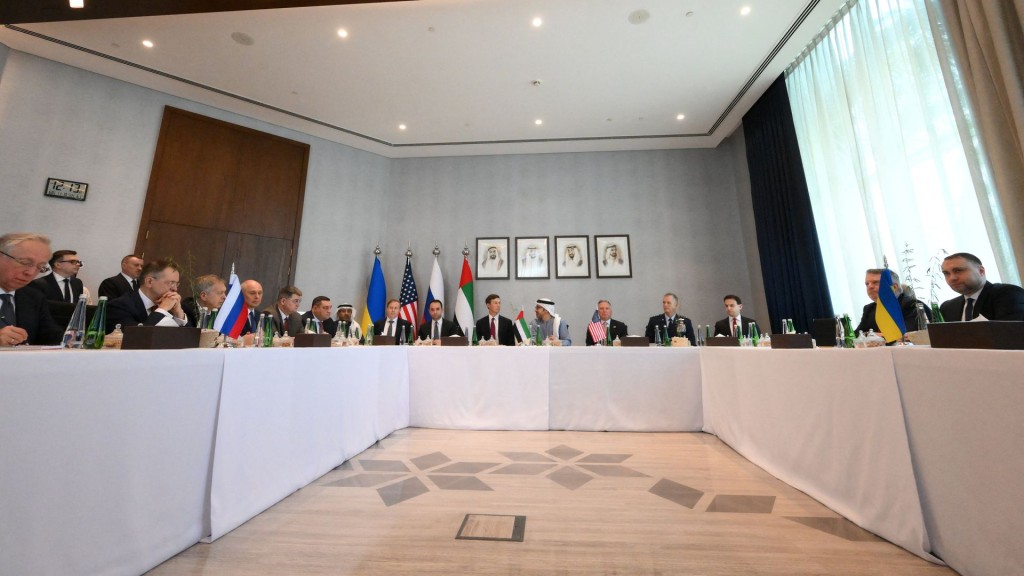
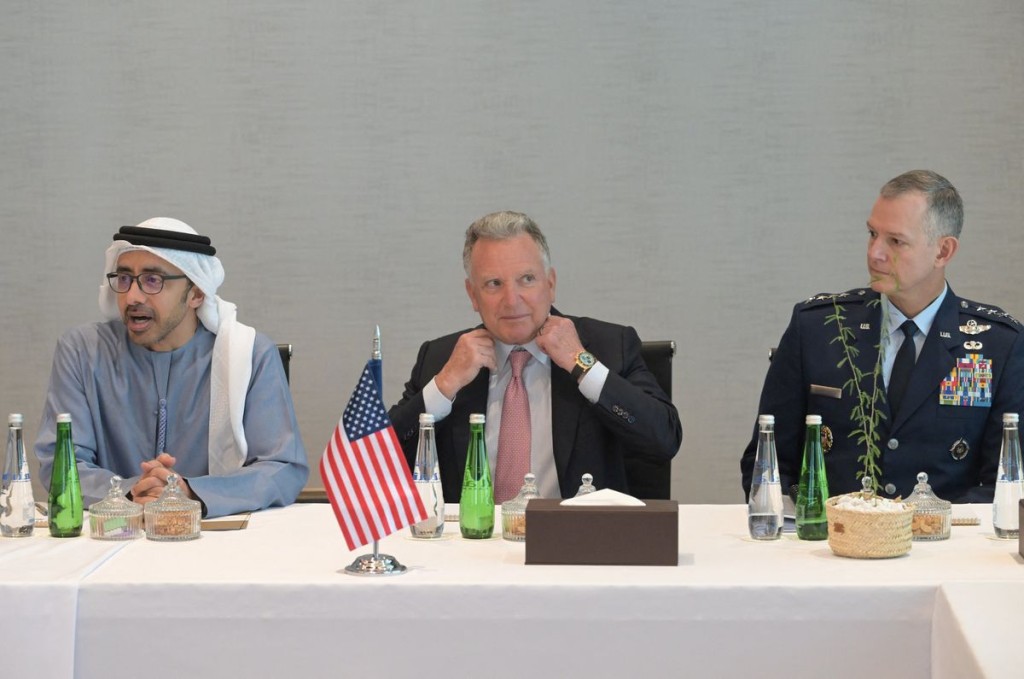
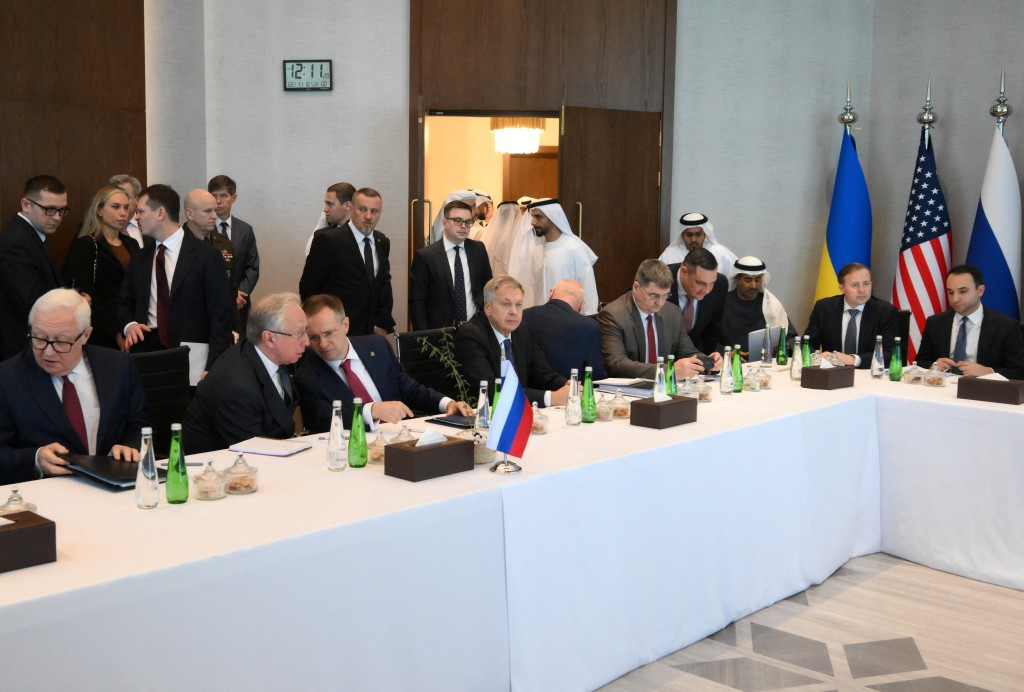
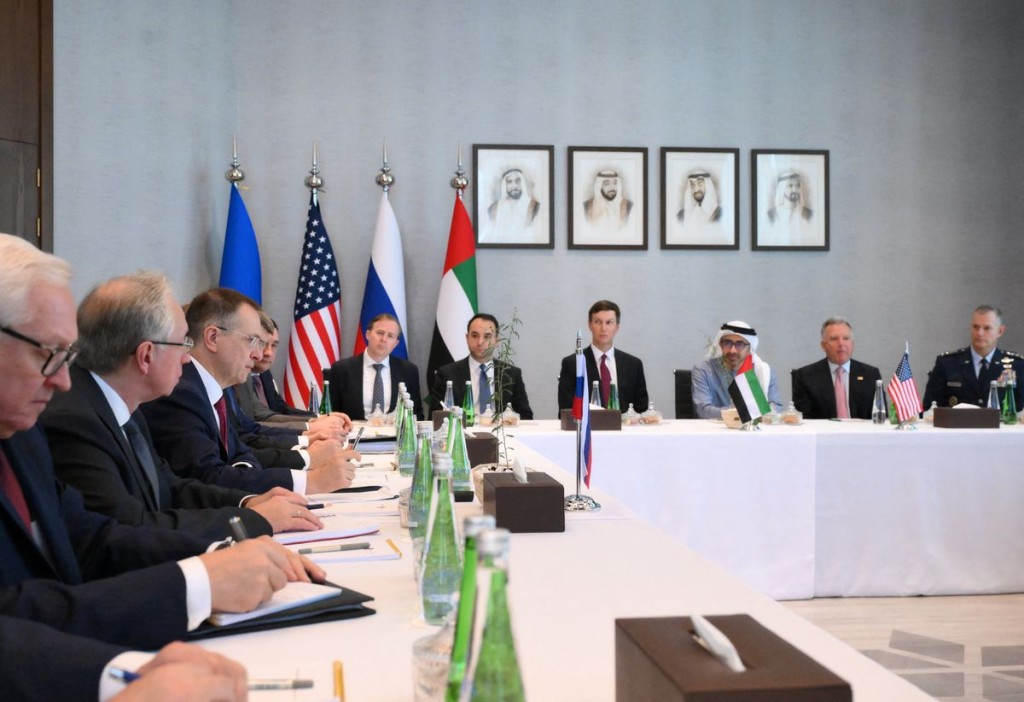
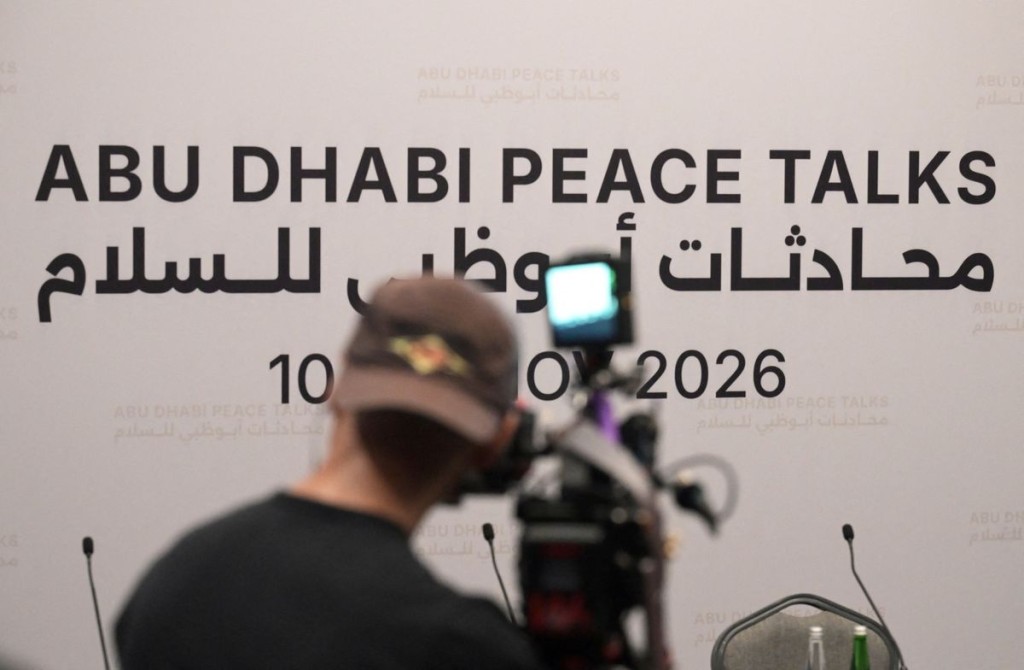
Russian and Ukrainian officials met in Abu Dhabi on Tuesday for their first peace talks since February as US President Donald Trump's envoys launched a new push to end the war in Ukraine.
Secretary of State Marco Rubio described the US-brokered meeting as very productive, without giving details.
Ukrainian President Volodymyr Zelenskiy called the talks "constructive and quite substantive", and said they had included humanitarian and security issues.
"The release of prisoners (of war) is a priority. They spoke in detail about the substance of security guarantees for Ukraine and the foundations for ensuring these guarantees function over the long term," he posted on X.
"Real tools are needed to block any recurrence of the war. The need for de-escalation steps was also touched upon."
Despite public optimism from Trump, the warring sides remain far apart on terms for a possible settlement, more than 4-1/2 years after Russia's full-scale invasion of Ukraine.
Russian forces control about a fifth of Ukraine, but territory is not the only issue at stake. Others include future security guarantees, which both sides say they need, and Moscow's demands that Ukraine adopt neutral status and not join NATO.
There was no immediate comment from Russia on what was discussed. A second day of negotiations was scheduled for Wednesday.
The meeting followed US contacts with both sides in recent weeks that Trump's representative Jared Kushner said had narrowed gaps between their positions. Addressing delegates at the start of the meeting, he said Washington had some good ideas on how to make progress.
Trump has intensified pressure on Kyiv to reach a deal, saying it is time for Ukraine to end the war or face "a very bad thing". Last week he said the war was close to being settled in a "big beautiful agreement" that might involve the security of all Europe, but he has frequently predicted breakthroughs that have not materialised.
Russian Foreign Minister Sergei Lavrov underlined Moscow's preference for negotiating a broad European security framework before tackling the specifics of the war.
"The idea of defining clear parameters for a future security architecture, and only then moving on to resolving the actual Russia-Ukraine conflict, is absolutely reasonable," he said in Moscow.
European Commission President Ursula von der Leyen said on Monday wider security talks should only follow a ceasefire. Lavrov rejected the notion of a truce, saying the Europeans were trying to secure breathing space for Ukraine.
The new American drive for a deal has galvanized European officials into pushing for a place at the table to seek an end to Europe's deadliest conflict since World War Two.
Before the main meeting, the Ukrainians met separately with European, NATO and European Union representatives and the two American envoys, Kushner and Steve Witkoff.
France said there could be no lasting peace in Ukraine without addressing European security, and that this required the Europeans' involvement.
European governments have mostly shunned contact with Russian President Vladimir Putin during the war, though Finnish and Norwegian leaders held a call with him on October 27 that was criticised by some of their European peers.
Russia had made clear it did not see a place for Europeans at the meeting with the Ukrainians and Americans.
Rubio, speaking in Paris, said the US aimed to expand the trilateral talks to include Europe at some point. "In the days to come, perhaps we can make some progress on including them in that front," he said.
On the eve of the talks, Trump said Washington saw a "very strong inclination" towards ending the war, with both sides "tired of fighting".
Overnight, Russian forces struck 10 Ukrainian regions in attacks on five major electrical substations that caused power outages and killed two people, officials said.
Russia said an industrial facility was damaged in a Ukrainian drone attack in the northern city of Novgorod. Industry sources said Ukrainian drone attacks on Russian oil refineries since late October had cut Russia's refining capacity by about 30%.
There has been no sign publicly that Putin is willing to drop his demand that Ukraine surrender the entire eastern region of Donbas before a peace deal can be struck. Zelenskiy has refused to hand over land that his forces have died defending.
Russian advances have slowed to a virtual halt but Moscow has been pounding Ukrainian cities and energy facilities, while Ukraine has stepped up attacks on Russian oil refineries and other infrastructure.
US negotiators believe Zelenskiy and Putin may be willing to reach a compromise on territory, with each ceding a little, a US official told Reuters on Monday.
Under the proposed deal, Ukraine would get an end to the war, security guarantees and a roadmap to accession to the EU.
A senior Ukrainian official denied the government would consider such concessions.
Reuters