Read More

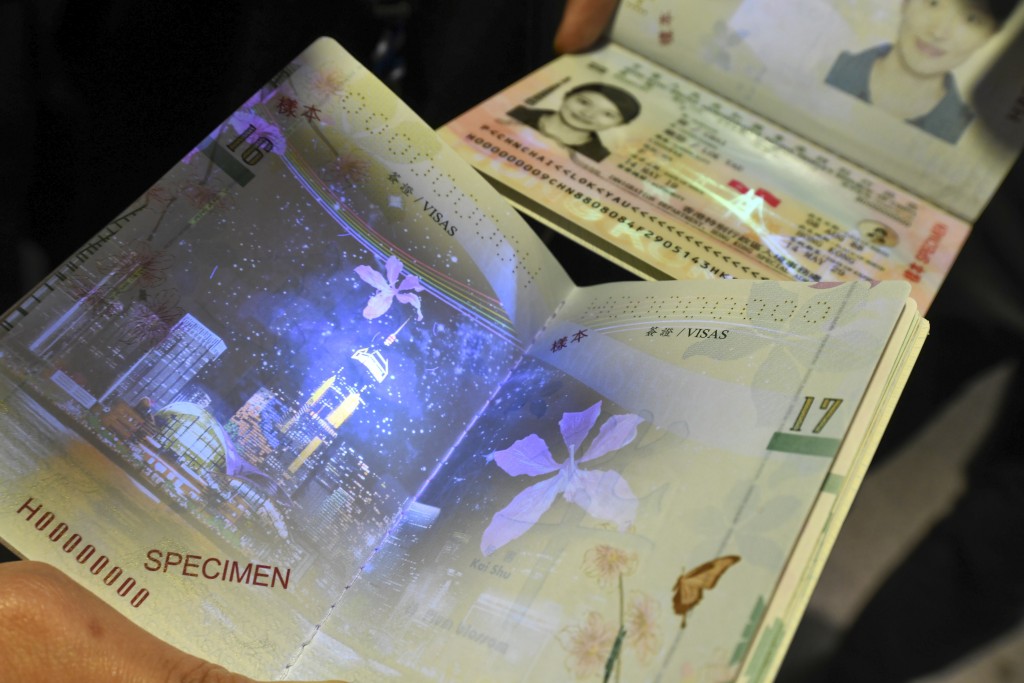
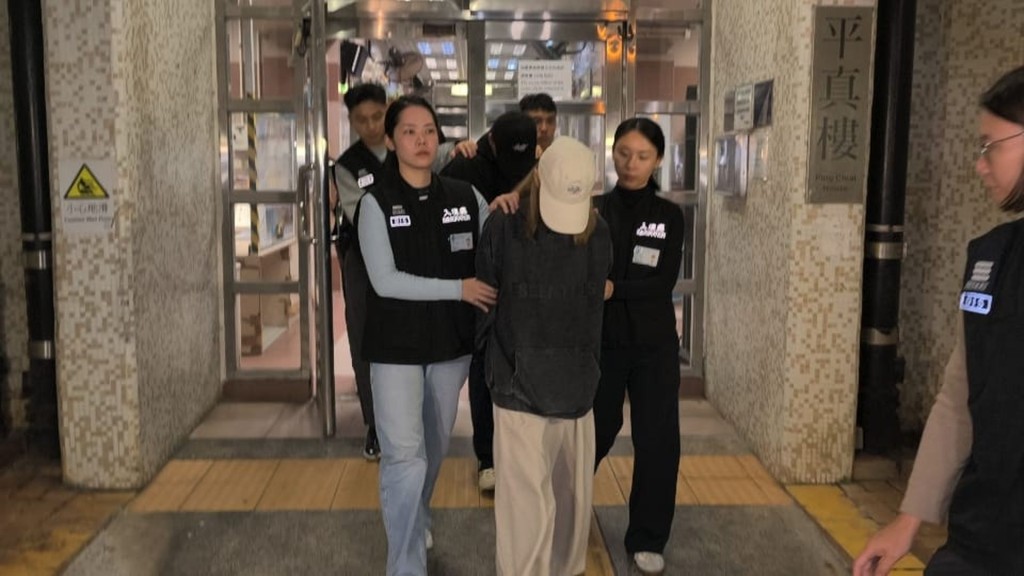


The United States government has revoked approximately 85,000 visas since January, more than double last year's total, according to a CNN report citing State Department officials. The cancellations include over 8,000 student visas.
Officials said a high proportion of revocations were for criminal offenses such as drunk driving, assault and theft, accounting for nearly half of last year's cancellations. However, the scrutiny has expanded to include ideological and political stances.
The State Department announced plans in August for "continuous screening" of all more than 55 million foreigners holding valid US visas. Officials stated visas would be revoked for signs of ineligibility, including overstays, criminal activity, public safety threats, terrorism links or support for terrorist organizations.
Visa reviews now extend to online speech and political activity. In October, the department said it had revoked visas of individuals allegedly celebrating online the death of right-wing commentator Charlie Kirk. Officials also said they were specifically scrutinizing international students involved in pro-Palestinian protests, accusing some of antisemitism and supporting terrorism.
Guidelines issued to embassies in June require review of student visa applicants for "hostile attitudes toward US citizens, culture, government, institutions or founding principles." Applicants are urged to make social media accounts public; restricting access could be seen as evading scrutiny and lead to refusal.
The heightened scrutiny also targets skilled workers. A diplomatic cable last week revealed new grounds under which H1-B visa applications for workers in "content moderation" and "fact-checking" roles can be denied, seen as a countermeasure against social media content filtering.
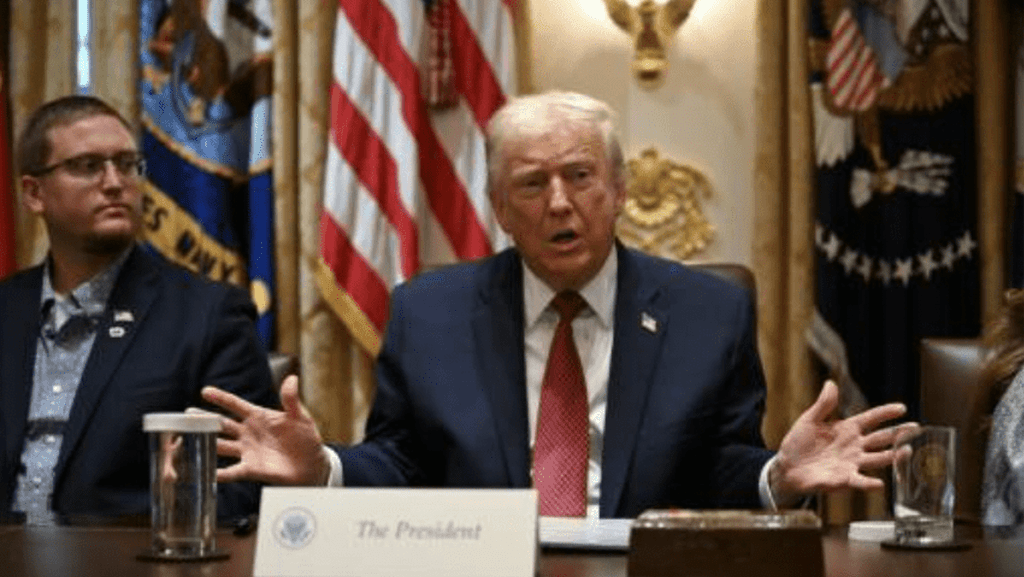
The aggressive visa policies have drawn strong criticism from legal and civil rights groups, raising concerns about potential First Amendment violations and the use of visa powers to suppress dissent. The Trump administration shows no signs of relaxing these policies, indicating continued tightening of US entry requirements.