Read More



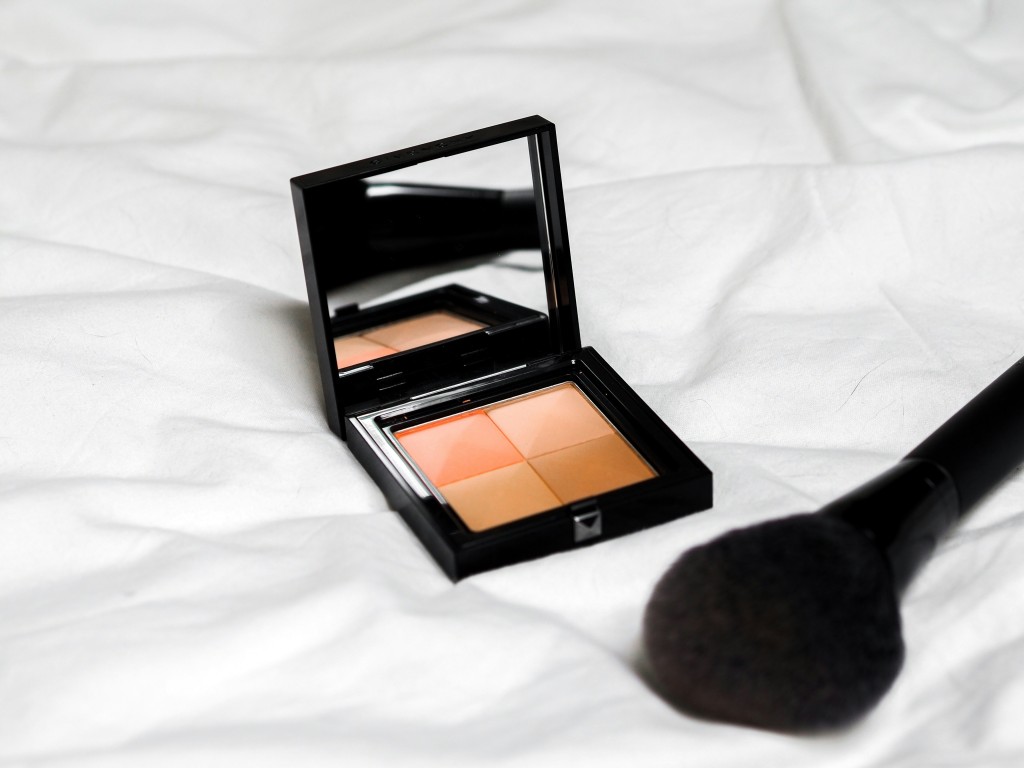
Japanese magazine LDK tests 12 face powders - 4 achieve top scores
30-05-2026 12:00 HKT
Doctor debunks 3 major egg-freezing myths
30-05-2026 12:00 HKT

After the full reopening of the city, many major international sports events - such as the Hong Kong Sevens and the Hong Kong Cyclothon - have resumed.
While exercise can improve one's physical health, carelessness can lead to injuries.
Shoulder dislocation is a common injury caused by a fall or bump.
It usually occurs in high-contact sports like basketball, football, and rugby - especially for the goalkeeper in a football game.
A dislocated shoulder occurs when your upper arm bone pops out of the socket. Once the joint is dislocated, muscles, tendons, or ligaments can also be injured.
A woman in her 30s who often plays rugby had her left shoulder joint dislocated years ago after an accident. A problem that is frequently found is recurrent shoulder dislocation. Even a slight bump can cause recurrent dislocation. She underwent surgery to repair the torn tissue to prevent her shoulder from dislocating repeatedly.
Her shoulder is stable again and she would like to play Rugby again soon.
Recurrent shoulder dislocation
Sometimes, the patient's shoulders are subluxated - or partially dislocated.
A complete or partial dislocation can cause numbness, weakness, or tingling near the injury, and the muscles might spasm, increasing the pain.
Trying to pop your own shoulder back in yourself is not advisable.
I would suggest seeing a doctor, as there may be residual issues.
Arthroscopy surgery
This is a minimally invasive surgery to repair torn or stretched ligaments offered to patients with repeated dislocations.
After the surgery, the soft tissue can better hold the joint in place.
The patient will recover faster and regain the range of motion with stability.
Generally, physical therapy is usually needed to prevent stiffness and help the joint move as usual.
Instant Relief: R.I.C.E
People with a dislocation may benefit from RICE: rest, ice, compression and elevation. These simple steps following a strain or sprain can help to speed up the recovery.
Dr Daniel Mok is the clinical director of orthopedics and rehabilitation at the Hong Kong Adventist Hospital
(By Daniel Mok)