
Read More



Seven arrested over Kwai Chung illegal gathering
14-09-2026 12:33 HKT
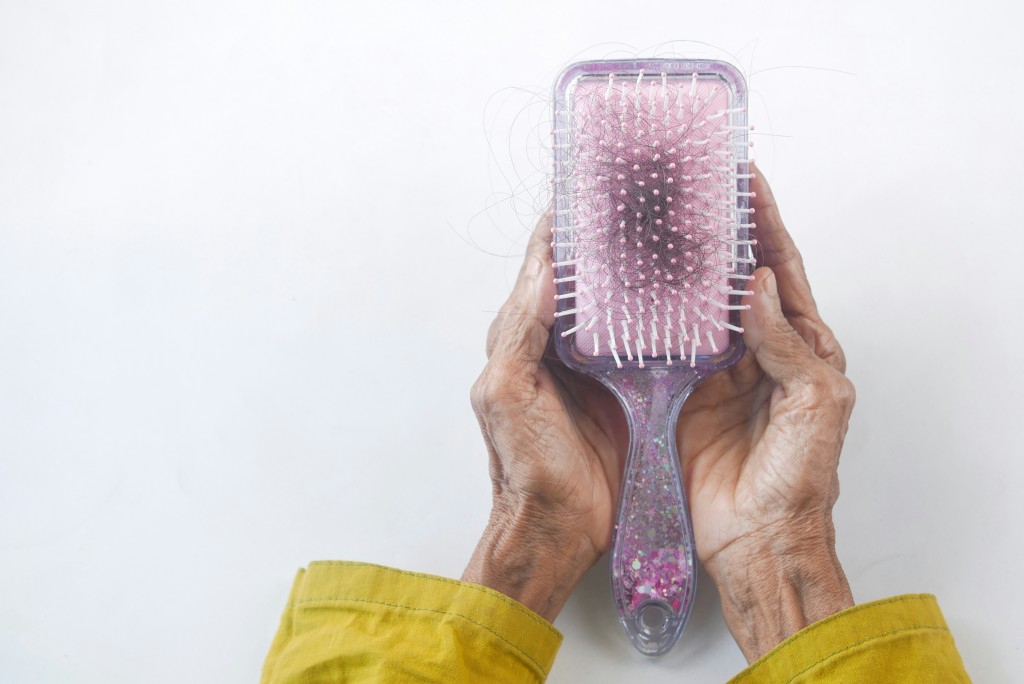
Many city dwellers face varying degrees of "hair crisis." Watching strands of hair fall out during washing, drying, or brushing can cause anxiety. Nutritional and functional medicine expert Dr. Liu Bo-jen shared on social media about a woman in her 40s who came to his clinic, worried about severe hair loss. Liu emphasizes that hair health is determined by nutrition, hormones, and overall health.
After a thorough examination, the real cause of this woman's hair loss was identified. Her ferritin (iron stores) was low, she had severe vitamin D deficiency, and she was under high work stress with poor sleep quality. Liu reminded her that what truly needs care is her body, not just her hair. Clinically, the most common causes of abnormal hair loss are: 1) Iron deficiency, especially in women with heavy menstrual bleeding; 2) Insufficient protein intake (hair is mainly protein); 3) Lack of zinc, B vitamins, or vitamin D, which directly affects hair follicles; 4) Thyroid dysfunction (hyperthyroidism or hypothyroidism can cause hair loss); and 5) Stress and insomnia – chronic stress forces more hair follicles into the "resting" (telogen) phase, leading to sudden shedding 3-4 months later.
Some people worry about losing even a few strands. Liu explains that shedding 50-100 hairs daily is normal. The real "danger signals" are: sudden noticeable thinning in someone who previously had thick hair; a shower drain clogged with hair; large clumps coming out when combing; new hair growing noticeably thinner; or part lines becoming wider. If these signs appear, seek professional medical advice.
For daily hair care, Liu offers practical dietary and lifestyle advice:
Liu often tells patients: don't just focus on your hair; take care of the body that grows it. Hair is a mirror of overall health. When bodily functions are balanced, hair vitality will gradually return. So next time you notice excessive shedding, ask yourself: Have I been too tired? Sleep deprived? Nutritionally deficient? Sometimes, falling hair is a distress signal from your body.
Source: Nutritional and Functional Medicine Expert Dr. Liu Bo-jen