Read More



Seven arrested over Kwai Chung illegal gathering
14-09-2026 12:33 HKT


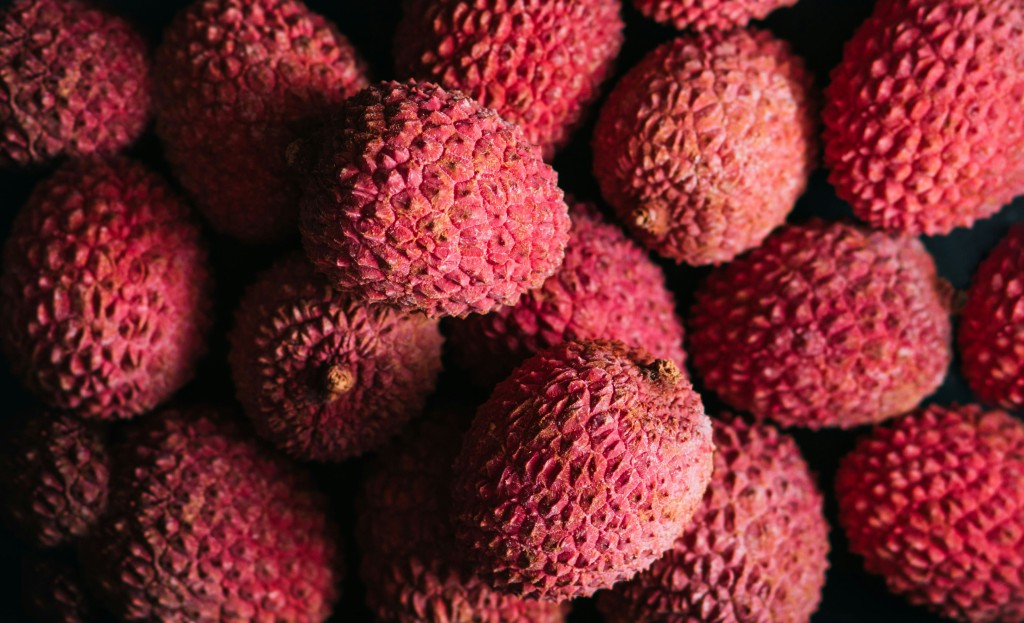
Summer is the golden season for lychees. Plump, sweet, and juicy, these fruits captivate many. However, this summer favorite hides a significant public health risk. The Hong Kong Centre for Food Safety (CFS) has issued a special advisory, warning against overconsumption and specifically against eating lychees on an empty stomach. Past outbreaks of acute hypoglycemia linked to lychee consumption have occurred in major growing regions like mainland China and India. While enjoying these fruits, consumers must practice safe eating habits for both pleasure and health.
Many mistakenly believe that lychees' high sugar content only raises blood sugar. In fact, the opposite can happen. In cases of hypoglycemia caused by excessive lychee consumption, mild symptoms include dizziness, nausea, abdominal pain, and diarrhea. Severe cases can lead to seizures, sudden blood pressure drops, coma, and even death – a condition medically known as "lychee disease."
A joint US-India medical study found that lychees contain two natural chemicals – hypoglycin Aand methylenecyclopropylglycine (MCPG) . These are particularly concentrated in unripe lychees. When ingested, they inhibit the body's own glucose production, leading to a dramatic drop in blood sugar levels.
The CFS emphasizes that children generally have smaller glycogen (stored sugar) reserves compared to adults. If they skip regular meals and then consume large amounts of lychees containing hypoglycin A and MCPG on an empty stomach, their already lower blood sugar can be further suppressed. This makes them highly susceptible to acute seizures, coma, and even death. Therefore, parents must strictly supervise their children's intake.
To help the public enjoy this summer fruit safely, the CFS strongly recommends following these 5 safety guidelines:
Source: Centre for Food Safety (Hong Kong)