Read More



Seven arrested over Kwai Chung illegal gathering
14-09-2026 12:33 HKT


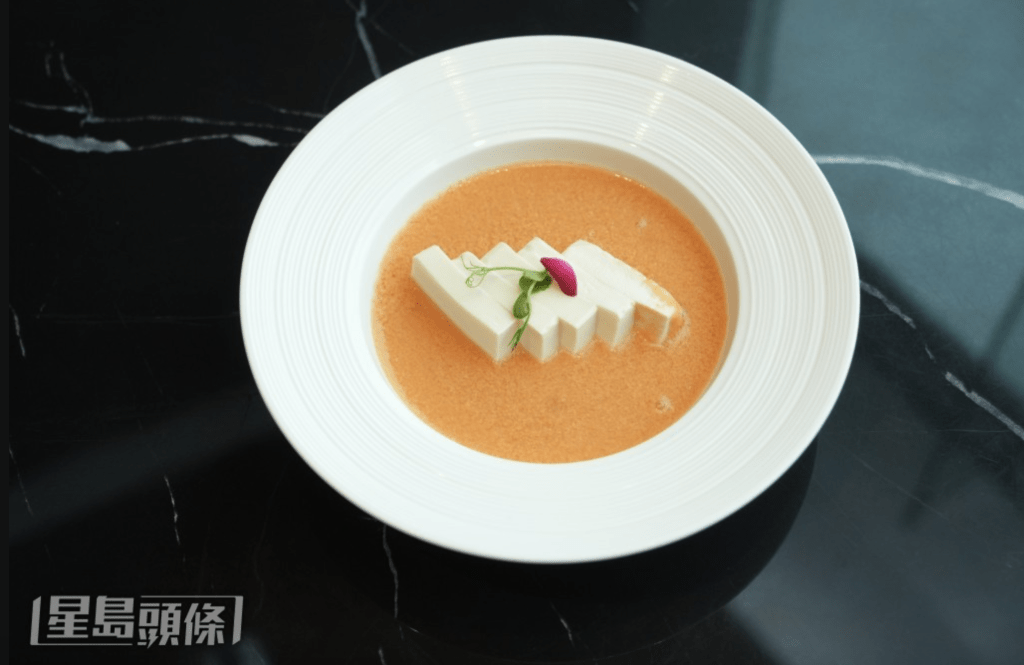
Chris Lai Lok-yi (a star member of the Hong Kong Chinese Chefs Association), who loves cooking, excels at integrating the refined plating of Western cuisine into traditional Chinese dishes, adding a contemporary touch. Today's demonstration of Fish Tofu Soup combines the Cantonese skill of simmering fish broth with a sophisticated Western-style presentation, offering a multi-sensory dining experience.
Milky White Fish Broth with Vegetables for Added Sweetness
Lai says fish soup is a common home-style dish in Guangdong. The key is fresh small sea fish, such as red snapper (golden threadfin bream) and rockfish (scorpionfish), simmered into a milky white, sweet, and flavorful broth.
Demonstration Dish: Fish Tofu Soup
Method:
Having spent many years in the kitchen, surrounded by roaring flames and the enduring aroma of wok hei, cooking has never been just a job for me; it's a form of practice. Mastering the heat for each dish and the precision of each knife cut represent the accumulation of time and effort.
Interestingly, besides being a chef, I am also an actor and producer. While sweating in the kitchen, I also experience different lives in front of the camera. These two roles may seem different, but they share common ground: both demand extreme focus, attention to detail, and the passion displayed on stage and in the kitchen.
In Hong Kong, a city where East meets West, I've had the privilege of witnessing the glory and evolution of Chinese cuisine. Hong Kong's Chinese cuisine is renowned for its refinement and emphasis on the original flavors of ingredients. However, facing the impact of modern food culture, we cannot remain complacent. Recently, many chefs have tried incorporating Western cooking techniques or fine-dining plating into Chinese dishes, injecting new vitality into traditional Cantonese cuisine and bridging the gap with younger generations.
Yet, amidst this pursuit of innovation, I harbor a slight concern: innovation without a "soul" becomes an empty shell. Thus, I always keep the core principles of Chinese cuisine at heart: wok hei and heat mastery, Yin-Yang balance, seasonality, and the importance of craftsmanship and heritage.
I hope Hong Kong's Chinese cuisine can find the perfect balance between upholding traditions and embracing innovation. We must not only preserve the classic tastes of older generations but also boldly experiment, ensuring Hong Kong remains a beacon leading the global trend of Chinese cuisine. This torch of heritage needs every one of us chefs to continue guarding with our hearts.
A vegetarian omakase. Oscar recalls a family trip where they enjoyed a vegetarian set menu at a hotel restaurant, featuring carefully selected vegetables, fruits, and mushrooms. Though meat-free, the dishes were exquisitely presented and delicious.
Eggs. Oscar finds cooking eggs challenging because, despite being a common ingredient, there are countless ways to prepare them. Everyone has different preferences for texture, seasoning, and cooking method, making it difficult to please everyone with a single egg dish.
Author: EH Photos: Sing Tao Daily