Read More



Seven arrested over Kwai Chung illegal gathering
14-09-2026 12:33 HKT


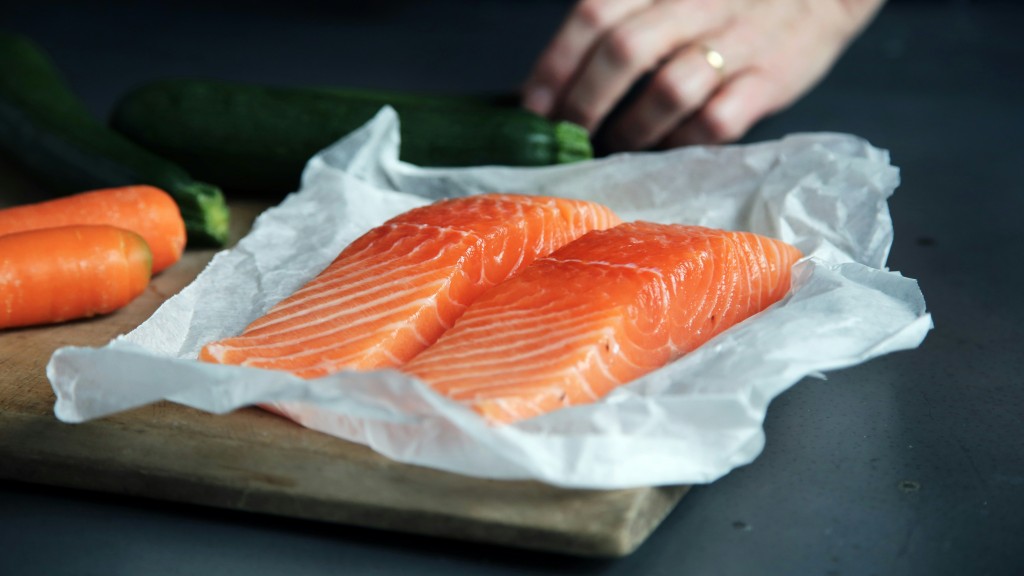
Salmon is considered one of the most nutritious fish because it contains two star ingredients: DHA and astaxanthin. While many know about DHA, what exactly is astaxanthin? It's a super-antioxidant with antioxidant power 6,000 times that of Vitamin C. How can you consume it most effectively?
Food safety expert Wayne shares on his personal website that astaxanthin, a natural carotenoid with a vivid orange-red color, was first discovered in lobsters by Nobel Prize-winning chemist Dr. Richard Kuhn. The red color of natural salmon, shrimp, and crab comes from astaxanthin. Most animals cannot produce it themselves and must accumulate it from their diet. The primary source is microscopic microalgae, with Haematococcus pluvialis being the richest.
What makes astaxanthin so valuable is its exceptional antioxidant capacity. Its free radical scavenging ability is:
This is why it's called a "super antioxidant." Wayne explains that this powerful antioxidant ability is what allows salmon to swim upstream and migrate long distances, and what enables seabirds to fly across oceans for extended periods.
According to various sources, astaxanthin offers the following 5 health benefits:
To gain the antioxidant benefits of astaxanthin, it's ideal to start with natural food sources, such as eating salmon once or twice a week. Grilled salmon makes a great light dinner option.
Wayne mentions that the astaxanthin content varies significantly across different sources:
Research suggests an effective daily dose is about 4 mg. To reach this amount, one would need to eat roughly 1 kg of salmon daily – impractical for most people. Therefore, astaxanthin supplements are also a viable option.
The astaxanthin in salmon primarily comes from the krill and algae they consume. Wayne notes that farmed salmon not supplemented with astaxanthin in their feed will have paler flesh and lower health benefits. When buying, pay attention to the flesh color – a bright orange-red indicates richness in astaxanthin.
Astaxanthin is generally considered safe with no significant side effects. However, there is insufficient research on its safety for pregnant or breastfeeding women. If considering supplements, it's advisable to consult a doctor or nutritionist first.
Sources: Food Safety Expert Wayne, Healthline