
Read More
Cross-border travel to mainland China has become a routine weekend and long holiday activity for Hong Kongers. Border checkpoints like Luohu are crowded during holidays, with over 12 million Hong Kong residents crossing in the first quarter alone. However, behind the planning and enjoyment of mainland hotels' value-for-money, hidden hygiene issues may pose significant risks. Recently, mainland media conducted an undercover investigation of budget and international brand hotels in several Guangdong cities, uncovering extremely poor hygiene practices.
ADVERTISEMENT
SCROLL TO CONTINUE WITH CONTENT
Invisible UV Markers Reveal "One Guest, One Change" is a Lie
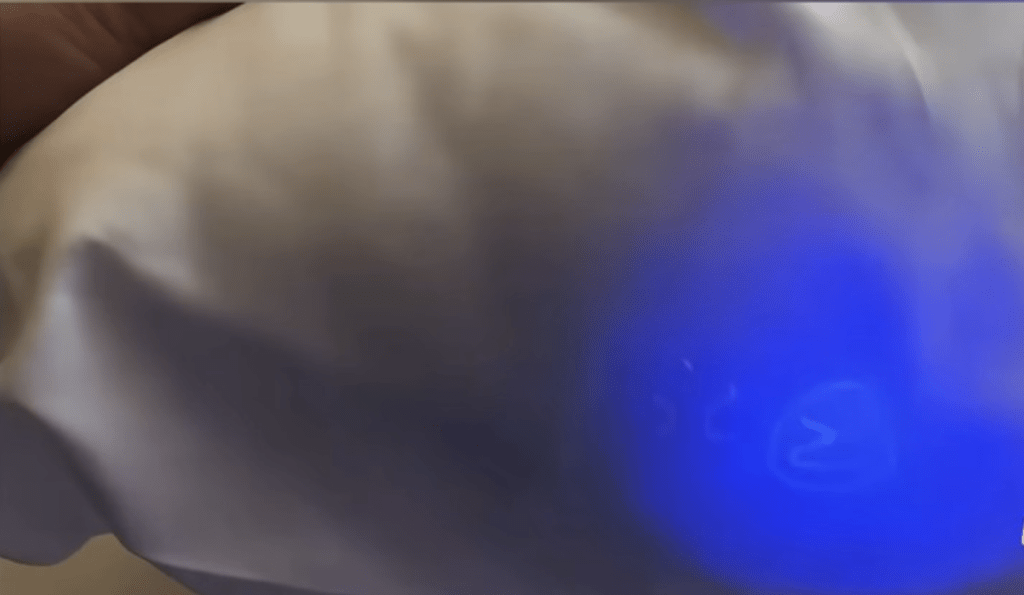
According to a report by One Search, the investigative team secretly applied water-soluble, invisible UV markers to pillowcases, towels, and drinking glasses in several hotels. Industry regulations require that all bedding and towels be changed and thoroughly washed and disinfected after each guest checks out. However, when investigators checked into the same room the next day, UV light revealed the markers still clearly visible on the pillowcases – completely unchanged. Even the drinking glasses in the room showed no signs of washing or disinfection. The promise of "one guest, one change" was proven to be a complete lie across multiple well-known chain and international hotel brands.
Laundry Facilities Cut Corners: Cold Water Washing, Then Just Tumble-Drying
Hotel sheets and towels are generally outsourced to commercial laundries. An industry insider revealed that intense competition in the hotel industry has squeezed profit margins, forcing laundries to cut costs severely. Normally, washing high-grease items like pillowcases and sheets requires hot water at a minimum of 65-70°C for proper cleaning and sterilization. However, the insider stated that many laundries now use only cold water to save on fuel costs.
Even more shocking: some towels used in hotel saunas or gyms skip the washing process altogether. Laundries simply pick out the used towels, skip washing them, put them directly into dryers for 10 minutes to "refresh" them, fold them, and return them to the hotel. Compared to the standard 50-minute wash-and-dry cycle, this practice saves time and money but completely disregards public health.
Netizens React: "I Always Bring My Own Towel"
The report sparked widespread discussion online. Many expressed shock and resignation at the state of hotel hygiene. One former hotel employee commented: "I've worked in entry-level housekeeping. It's really disgusting. Even five-star hotels are like this – and they say it's the same for international chains worldwide." Many frequent travelers shared their own precautions: "When I stay in hotels, I always bring my own bath towel, face towel, toothbrush, and cup, and use disposable bed sheets, duvet covers, and pillowcases." Another netizen noted: "This is the reality in hotels worldwide. You can only rely on yourself."
Doctor: Significantly Increased Risk of Skin Infections – Avoid Using Hotel Towels
Given the risk of towels and sheets not being properly high-temperature washed and disinfected, these items can easily become breeding grounds for cross-contamination of bacteria and viruses. Dermatologist Dr. Chen Hou-yi points out that using improperly cleaned hotel linens significantly increases the risk of various skin infections:
- Bacterial Infections: Towels contaminated with Staphylococcus aureus can cause severe skin inflammation upon contact.
- Fungal Infections: Damp towels easily harbor fungi, leading to various types of ringworm (tinea).
- Viral Infections: Even viruses like molluscum contagiosum can be transmitted through unclean towels.
Chen advises that if you notice signs of bacterial infection like redness, swelling, heat, or pain on your skin after a hotel stay, seek medical attention promptly and follow prescribed antibiotic treatment. For fungal symptoms like itching or red patches, avoid self-treating with steroid creams, as this can worsen the infection instead of curing it. To reduce the risk of skin infections, Chen recommends bringing your own personal or disposable items whenever possible. Those with eczema or open wounds should especially avoid using hotel towels and reusable slippers. When checking in, inspect towels for neat ironing folds and any unusual odors as an added safety measure.
Source: One Search (一線搜查)