Read More



Seven arrested over Kwai Chung illegal gathering
14-09-2026 12:33 HKT


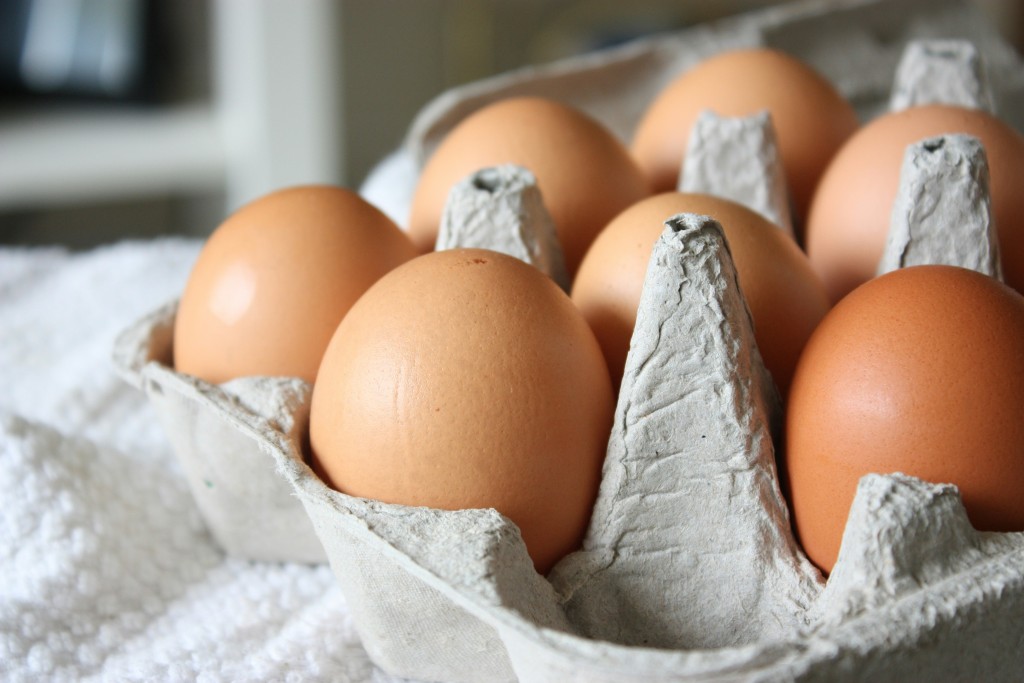
Eggs are a staple in every household, perfect for breakfast and baking. However, they spoil easily. Every step – from supermarket selection, transport home, fridge storage, to whether they can be frozen – requires knowledge. Sing Tao Headline breaks it all down to help you eat safely.
Registered dietitian Dr. Kimberly Baker states that eggs should not be left out of refrigeration for more than 2 hours. If contaminated with Salmonella, bacteria can multiply to dangerous levels at room temperature. Even heating to the recommended minimum internal temperature (63°C) may not eliminate all bacteria. Baker advises using an insulated bag if you won't go home directly or if the weather is hot. Keep eggs flat to minimize breakage, and refrigerate immediately upon arrival.
Baker points out that many don't realize raw eggs, egg whites, and egg yolks can be frozen to extend storage up to a year, but only if handled correctly:
Important: Never freeze shell-on raw eggs. The liquid inside expands upon freezing, causing the shell to crack.
| Egg Type | Storage Method | Shelf Life |
| Whole Shell-On Eggs | Store in the middle of the fridge (not on the door or top corners where temperature fluctuates most). Use the original carton to protect from breakage and odors; it also has the expiration date. | Approx. 3 weeks |
| Shelled Raw Eggs | Store in a covered container. If storing only yolks, press plastic wrap onto the surface to prevent drying. | Whole eggs or yolks: up to 2 days; Whites: up to 4 days |
| Hard-Boiled Eggs | Cool after cooking, then store in a covered container in the fridge. | 3-4 days (or about 1 week for unpeeled boiled eggs) |
Source: Martha Stewart