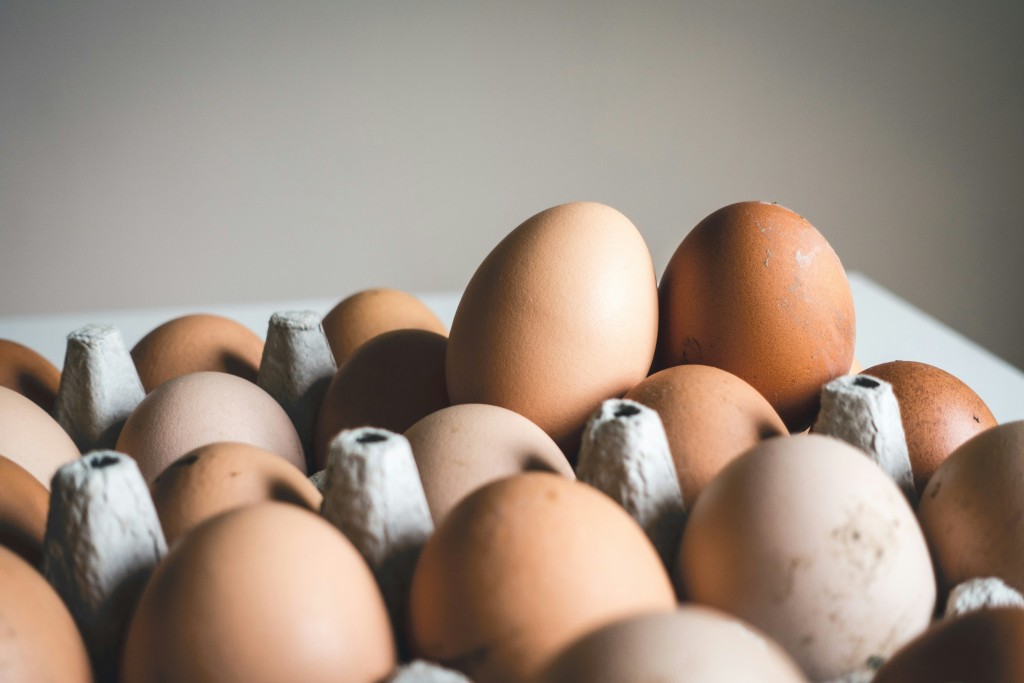
Eggs are a staple in Hong Kong kitchens, essential for everything from stir-fries to baking and sauces. However, eggs are perishable. Do you know how long they last in the refrigerator, how to quickly check their freshness, and when to decisively discard them?
Eggs are a staple in every household, but sometimes they stay in the fridge past their date. Is there a way to tell if an egg is still fresh enough to eat? The method is simple: place the egg in a bowl of cold water:
- Egg lies flat on the bottom: Very fresh.
- Egg tilts or stands upright on the bottom: It's been stored for a while, but is still safe to eat.
- Egg floats: The air cell has enlarged, indicating aging. This requires further inspection. Floating doesn't automatically mean it's spoiled, but it's a sign to crack it open and check.
Freshness Test: Candling (Using a Light)
You can also hold an egg up to a light. If the air cell at the wider end appears larger, the egg is less fresh. The principle is the same as the water test: as an egg ages, gas increases inside, enlarging the air cell.
Checking Freshness After Cracking: 4 Indicators
After cracking an egg, check these four indicators to assess freshness:
- Smell: Fresh eggs have no noticeable odor. If you smell a sulfurous or off odor, discard it.
- Look at the white: A cloudy egg white indicates freshness (it contains carbon dioxide). A completely clear white only means the egg is older, not necessarily spoiled.
- Check for red spots near the yolk: These are blood spots caused by a ruptured blood vessel during ovulation. They are safe to eat.
- Watch for unusual colors:
- Pale yellow-green: This comes from riboflavin (Vitamin B2) and is safe.
- Pinkish egg white: A sign of bacterial contamination – discard.
- Bright or iridescent greenish white: Also a sign of bacterial contamination – discard.
Can You Eat Expired Eggs?
For busy Hong Kongers, it's easy to overlook expiration dates. As long as the eggs pass the visual and smell checks (the four indicators above), they can usually still be used even two or three weeks past the date on the carton. However, it's still recommended to consume them as soon as possible.
If you eat eggs past their expiration date, they must be thoroughly cooked until both the white and yolk are completely firm. Avoid undercooking or eating them soft-boiled to prevent potential bacterial illness.
Egg Storage: How Long in the Fridge? Tips for Extending Shelf Life
The US Food and Drug Administration (FDA) clearly states that intact, unwashed eggs kept continuously refrigerated can be safely stored for three weeks. This timeframe is longer than the "sell by" or "best by" dates on the carton, which are quality indicators, not safety dates. Stored properly, eggs can remain safe to eat for several weeks beyond those dates.
Storage Tips:
- Do not wash eggs before storing. If the shell is dirty, wipe it gently with a dry cloth. Washing can actually push bacteria into the egg through the shell's pores.
- Return eggs to the refrigerator promptly after use. Avoid leaving them at room temperature for extended periods.
- Store eggs on an inner shelf, not in the door. The temperature fluctuates too much on the door. The best place is towards the back of an inner shelf, where the refrigerator maintains a consistent temperature of 4°C (40°F) or below.
Source: Martha Stewart