Read More





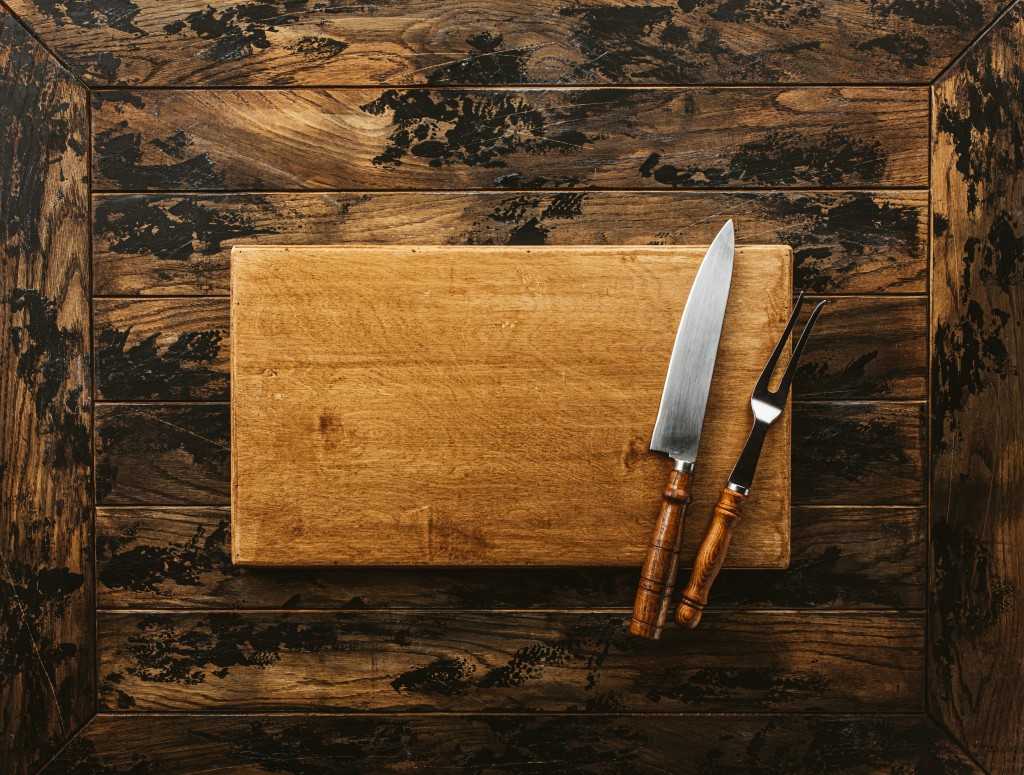
Cutting boards in the kitchen come into contact with various ingredients daily. If not cleaned properly, they can easily become breeding grounds for bacteria. Experts point out that simply rinsing with water is insufficient; harmful microbes like Salmonella and E. coli may remain, causing cross-contamination and leading to food poisoning. Studies reveal that a cutting board used for 2 years can harbor up to 3,000 bacteria – a significant concern. Therefore, different cutting board materials require specific disinfection methods, which experts break down for you.
Dr. Vanessa Coffman, Director of the Alliance at the US food safety organization Stop Foodborne Illness, points out that all cutting boards must be completely air-dried before being stored after disinfection. Raw and cooked food cutting boards should be used separately to avoid cross-contamination. Different materials have their own specific disinfection methods:
Unsealed wooden cutting boards have natural antibacterial properties, making it difficult for pathogens to survive long-term. Bacteria absorbed usually cannot survive long in the fibers. However, wood cutting boards have pores and, if not maintained properly, can absorb water and grow mold. Never soak wooden boards.
Cleaning Steps:
Replace when: There are deep knife scars, cracks, or signs of mold.
Plastic cutting boards are non-porous, but knife scars can trap bacteria, making regular disinfection especially important.
Cleaning Steps:
Replace when: There are deep knife scars, cracks, or staining.
Glass cutting boards are completely non-porous and easiest to disinfect, but they can dull knives and are less practical.
Cleaning Steps:
Replace when: If the glass shows chips, cracks, or deep scratches.
A study published in the Journal of Food Protection found that even seemingly clean cutting boards harbor large numbers of bacteria (including Staphylococcus aureus and E. coli) in their knife scars and crevices. Food residue combined with the humid kitchen environment creates a breeding ground for microbes. Once these enter the human body, they pose a particular risk to children and the elderly with weaker digestive systems, potentially causing gastrointestinal distress or infection.
The study showed that cutting boards used for over two years can have bacterial counts exceeding 3,000 colony-forming units per square centimeter. Notably, bamboo cutting boards showed even greater bacterial growth. Experts recommend replacing cutting boards immediately if they show mold, cracks, or deep knife scars. Even if visually intact, it is advisable to replace them every 2 years to protect your family's health.
Sources: Martha Stewart, Journal of Food Protection