Read More





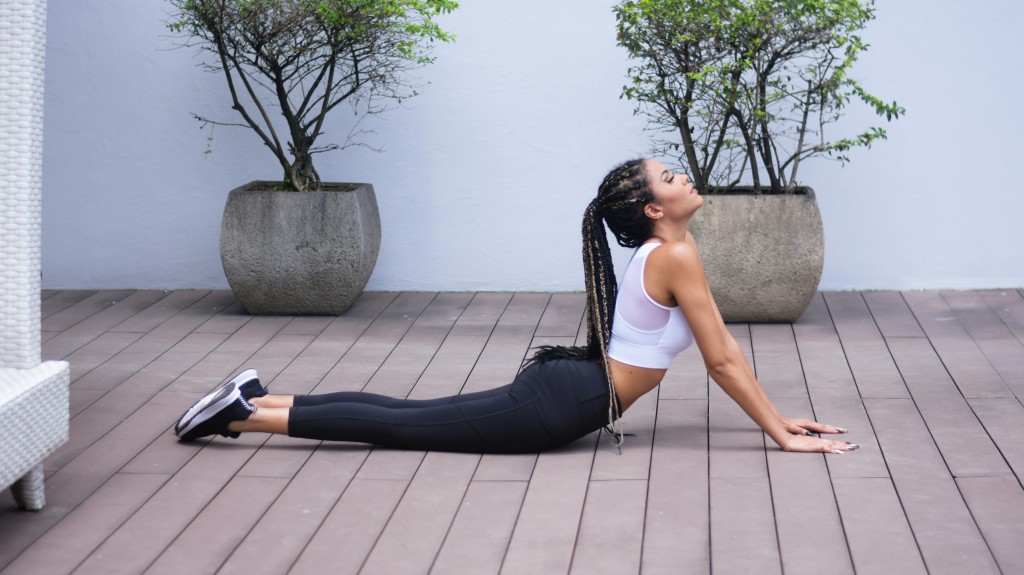
As we age, walking becomes difficult and picking things up becomes a struggle – stiffness in the hips could be the cause. An expert has designed 4 seated stretches specifically for people over 60. Just 5 minutes a day can safely and effectively improve hip flexibility.
According to foreign media EatingWell, strong, flexible hips are crucial for balance, stability, and overall mobility, making everyday movements like walking, bending, and picking up objects easier. As we age, joints stiffen, and reduced mobility makes these tasks harder. Therefore, exercises to improve hip flexibility are essential.
Seniors don't need a gym or even a yoga mat – just a simple chair. These seated stretches safely and effectively release tight hips. Physical therapist Syd Young emphasizes that consistency matters more than intensity. Seniors only need a few days a week of gentle hip exercises for 5-10 minutes. The goal is to keep joints moving comfortably, not to force deep stretches. Here are 4 simple seated stretches to help people over 60 improve hip flexibility and prevent falls:
This strengthens the hip flexors (muscles at the front of the hip that lift the leg), improving hip flexion crucial for walking, climbing stairs, and getting in and out of cars. Hip flexors often become tight in older adults and need both stretching and strengthening.
How to do it:
Tip: Start with a small leg lift; don't force it. Keep your torso upright and avoid leaning back.
Hold onto the chair sides for balance if needed.
Prolonged sitting makes hips stiff. The seated "4" stretch is an excellent, easy way to release tight glutes and deep hip muscles like the piriformis.
How to do it:
Tip: You should feel a gentle stretch, never pain. If placing the ankle on the knee is too difficult, rest it lower on the shin, or simply press your knees outward with feet flat.
The hip is a ball-and-socket joint that moves in multiple directions. But daily life mostly involves forward/backward movements (walking, sitting), reducing rotational range over time. This can lead to dysfunction and pain. This stretch helps open the hips, making dressing or standing from the toilet easier.
How to do it:
Tip: Move slowly and with control. Don't force the hip into a position that causes pain.
Hips are a complex group of muscles. People often focus on rotators and flexors but neglect lateral muscles like the abductors. This stretch targets those often-overlooked areas.
How to do it:
Tip: Lean to the side, avoiding forward/backward swaying. Do this daily, as hips respond better to frequent, gentle stretching than occasional deep stretching.
Registered yoga instructor Kathi Siebenhandl advises adjusting your center of gravity before seated exercises. Aim for at least 3-5 sessions per week, following these principles:
Source: EatingWell