Read More





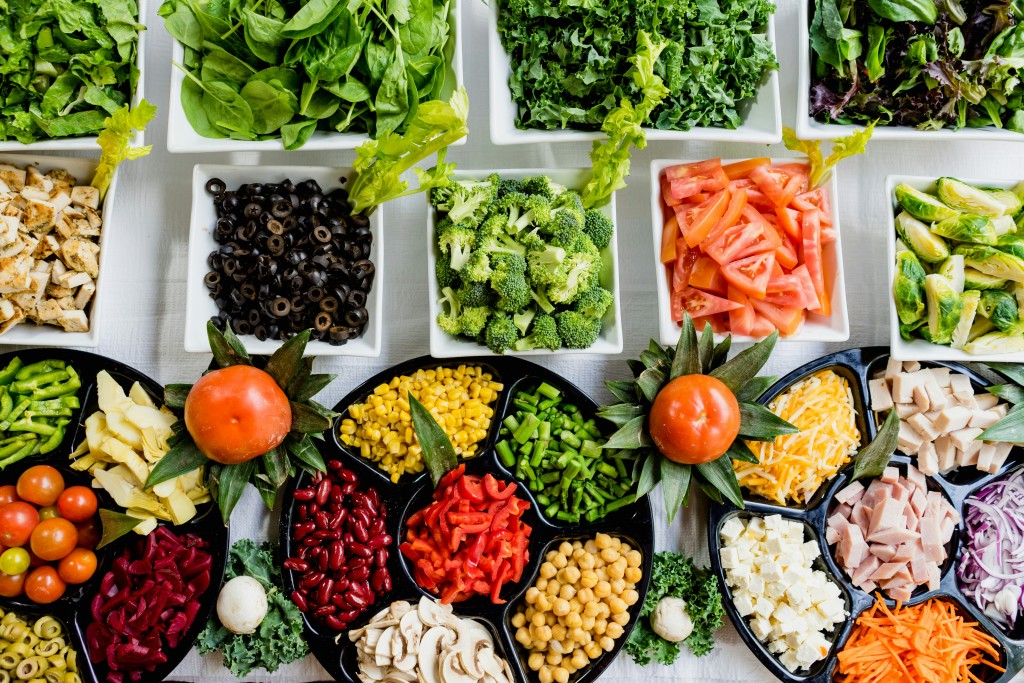
Diabetes often requires strict dietary restrictions. However, a recent study has identified a "longevity diet" suitable for diabetics. By eating more soy products and 3 other affordable foods, the risk of diabetes-related death can be reduced by up to 75%.
According to mainland Chinese media People's Daily Health Times, as people enter middle and old age, blood sugar is one of the most common rising health metrics. The most challenging aspect of diabetes management is often strict dietary control. Researchers from Nanjing Medical University and the Jiangsu Provincial Center for Disease Control and Prevention jointly published an 11-year study in the journal Nutrients, covering over 50,000 Chinese participants. Based on their eating habits, participants were divided into three dietary patterns:
The study found:
The study indicates that diabetics typically suffer from more severe metabolic disorders and systemic inflammation compared to healthy adults, increasing their death risk. The "Fruit-Veg-Milk-Soy Rich" diet offers significant protective effects through its anti-inflammatory and antioxidant properties, consisting of the following 4 food groups:
Fresh fruits and vegetables are rich in antioxidants like Vitamin C, flavonoids, and anthocyanins, acting as the body's scavengers to clear inflammation-causing free radicals. Studies confirm that quercetin, a flavonoid in fruits, not only improves insulin resistance directly but also protects the cardiovascular system – a natural heart protector for diabetics.
Soy products provide high-quality plant protein along with antioxidant components. They supply necessary nutrients without increasing the inflammatory burden like red meat. Soy products boost the body's overall antioxidant capacity, reduce lipid peroxidation damage, and alleviate chronic inflammation, thereby reducing the risk of fatal cardiovascular complications.
Milk's role in antioxidant defense may seem unassuming, but the high-quality protein, calcium, and potassium it provides are essential for heart metabolism. Calcium helps regulate blood pressure, whey protein improves insulin sensitivity, and potassium balances sodium's hypertensive effect. More importantly, combining dairy with plant-based foods helps stabilize metabolic regulation.
The core advantage of whole grains is their abundant dietary fiber. The fiber and plant polyphenols in whole grains work together to regulate inflammation and oxidative balance, blocking the expression of pro-inflammatory genes. This stabilizes blood sugar and protects blood vessels at a metabolic level. They synergize with fresh fruits and vegetables for a combined anti-inflammatory effect, continuously improving the long-term health of diabetics.
How exactly does one follow the "Fruit-Veg-Milk-Soy Rich" diet? Experts summarize the following 8 daily principles that anyone can easily adopt:
Sources: People's Daily Health Times, Nutrients