
Read More
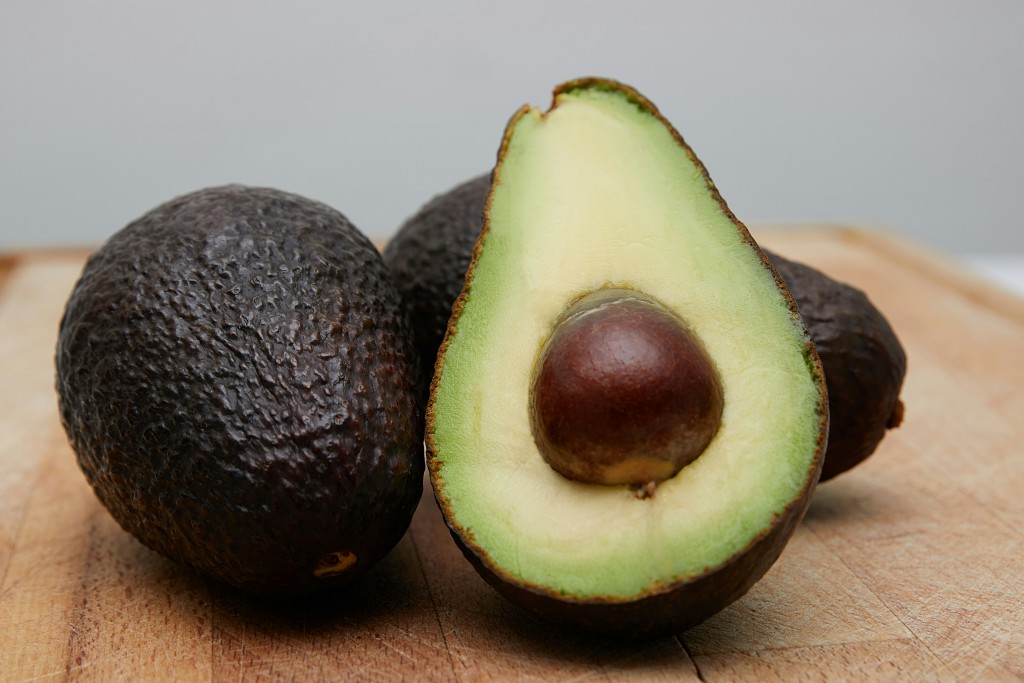
In daily life, people often ask, "What is the healthiest fruit to eat?" Family medicine physician Lee Si-hsien points out that this question is quite complex, as it's difficult to generalize about fruits. Selection must consider sugar content, glycemic index (GI), pesticide residues, and individual tolerance. However, among the many fruits, avocado stands out as a rare "perfect fruit" whose advantages far outweigh its drawbacks.
ADVERTISEMENT
SCROLL TO CONTINUE WITH CONTENT
High Nutrition, Low Sugar, Comprehensive Benefits – High in Dietary Fiber
Lee explains that the fat composition of avocado is of excellent quality and highly beneficial. Most of the fat in avocado is oleic acid, an Omega-9 monounsaturated fatty acid – the same primary fatty acid found in olive oil. It positively helps protect cardiovascular health and suppress chronic inflammation.
Furthermore, avocado is a high-nutrient, low-sugar fruit. It's rich in the trace mineral potassium (even more per avocado than a banana), and also contains vitamins K, folate, vitamin E, vitamin B6, and magnesium. Lee adds that avocado's dietary fiber content is quite high, effectively promoting the diversity of beneficial gut bacteria. These nutrients work together to make avocado exceptionally comprehensive in supporting overall body metabolism.
Those with Histamine Intolerance Should Be Cautious
Despite its high nutritional value, Lee warns that not everyone should eat avocado in large quantities. Its histamine content requires attention – avocado not only contains histamine itself but is also medically recognized as a "histamine-releasing food." Even if its histamine content isn't the highest, eating it can stimulate the immune system to release more histamine.
For individuals with histamine intolerance, insufficient DAO enzyme activity, or high intestinal permeability (like leaky gut), eating avocado may trigger allergic reactions such as headaches, nasal congestion, skin itching, or gastrointestinal discomfort. This sensitive group doesn't necessarily need to avoid avocado entirely, but they must carefully observe their body's reactions and eat accordingly.
Once Cut, Ripeness is Final – Avocado is a "Climacteric" Fruit
Lee also shares a little-known fact: once an avocado is cut open, its ripeness is instantly set and it cannot continue to ripen further. The science behind this is fascinating. Avocado is a "climacteric" fruit, meaning it relies on its own ethylene gas production to initiate and sustain the ripening process. This mechanism requires the fruit's cellular structure to remain intact and ethylene to accumulate to a certain concentration within the flesh. If cut prematurely, the ethylene gas disperses, cells are damaged, and the entire ripening signal chain is broken. Instead of ripening enzymes, polyphenol oxidase takes over. Contact with oxygen in the air causes the flesh to oxidize and turn black quickly. Lee reminds: if the avocado you bought is still hard, don't be tempted to cut it. Leave it at room temperature to continue ripening. Only cut it when the whole avocado yields to gentle pressure and feels slightly springy. Once cut, it should be consumed promptly.