
Read More
Chronic inflammation in the body can be dangerous, potentially leading to cancer or heart disease. A Chinese medicine practitioner shares a 3-day anti-inflammatory meal plan that cleverly uses affordable "five-color" ingredients.
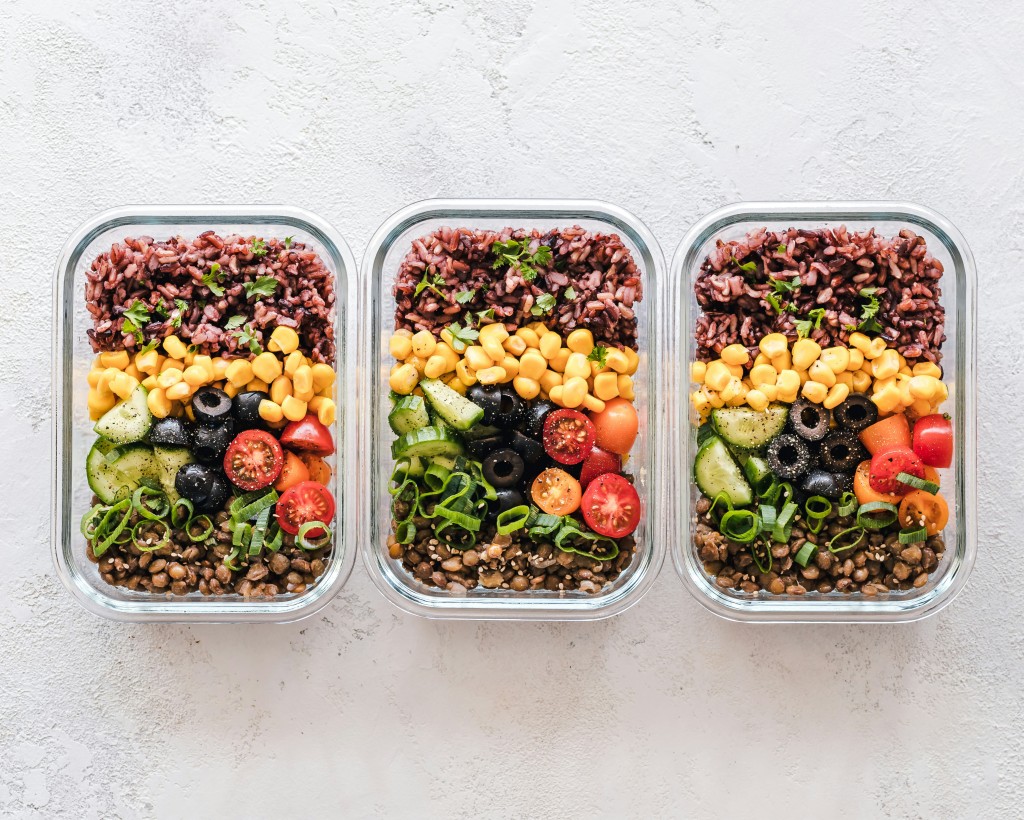
Registered Chinese Medicine Practitioner Dr. Ma Kei Kit shared a 3-day meal plan combining Mediterranean principles, plant-based anti-inflammatory foods, and TCM wellness on his page "TCM Dad B - Dr. Ma Kei-kit." The plan cleverly uses affordable five-color ingredients to combat inflammation:
ADVERTISEMENT
SCROLL TO CONTINUE WITH CONTENT
Day 1
- Breakfast: 1 cup warm lemon water, pumpkin quinoa soy milk, 1 boiled egg, 10g unsalted walnuts.
- Lunch: Double ginger almond milk, pan-seared mackerel with purple yam and black bean rice bowl. Side dish: ginger slivers and black fungus stir-fried with spinach.
- Dinner: Warm agarwood tea, simmered chicken soup with Chinese yam, garlic stir-fried broccoli with carrots.
Day 1 Five-Color Achievement:
- Green: Spinach, broccoli
- Red: Carrot slices, red dates, goji berries
- Yellow: Pumpkin, lemon
- White: Chinese yam, garlic, almond milk
- Black/Purple: Black fungus, purple yam, black beans
Day 2
- Breakfast: 1 cup warm lemon water (approx. 300ml), hot millet and purple yam porridge, ginger slivers stir-fried with black fungus, sesame oil fried egg.
- Lunch: Double ginger almond milk, skinless chicken thigh with mushrooms, purple yam and black bean rice. Served with red bell pepper and asparagus sautéed in extra virgin olive oil, sprinkled with toasted pine nuts.
- Dinner: Warm agarwood tea, lotus root and sea bass soup, warm mixed sweet potato leaves with a little extra virgin olive oil.
Day 2 Five-Color Achievement:
- Green: Asparagus, sweet potato leaves
- Red: Red bell pepper
- Yellow: Lemon
- White: Lotus root, scallion white, fresh shiitake mushrooms, almond milk
- Black/Purple: Black fungus, purple yam, black beans
Day 3
- Breakfast: 1 cup warm lemon water, quinoa mixed with extra virgin olive oil and scrambled eggs, ginger slivers stir-fried with bok choy.
- Lunch: Double ginger almond milk, salt koji tofu with purple yam and black bean rice. Served with braised pumpkin with scallions, and tomatoes stir-fried with edamame (add unsalted roasted sunflower seeds when stir-frying).
- Dinner: Warm agarwood tea, pork and seaweed soup, cabbage with fresh shiitake mushroom strips (sautéed with a little dried shrimp and garlic), served with a small whole sweet potato.
Day 3 Five-Color Achievement:
- Green: Bok choy, edamame
- Red: Large tomato
- Yellow: Pumpkin, sweet potato, lemon
- White: Cabbage, garlic, almond milk
- Black/Purple: Purple yam, black beans, seaweed, fresh black shiitake mushroom strips
What is Chronic Inflammation? 5 Factors That Easily Trigger It
According to the Centre for Liver Health at The Chinese University of Hong Kong, inflammation, also called the "inflammatory response," can be divided into acute and chronic types:
Acute Inflammation: Many people have experienced "acute inflammation," such as the redness, swelling, heat, and pain when the skin is scraped and the body heals. It usually lasts from days to weeks and subsides after the triggering cause, such as injury or infection, is controlled. This type of inflammation is part of the body's immune system, a natural response to injury, infection, and tissue damage. Its purpose is to attract immune cells (like white blood cells) to the wound or infection site to quickly clear pathogens and repair damaged tissue.
Chronic Inflammation: "Chronic inflammation" means the body is in a prolonged state of inflammation over many years, which is definitely harmful. Diseases now confirmed to be associated with chronic inflammation include cancer, heart disease, rheumatoid arthritis, type 2 diabetes, obesity, asthma, and even cognitive decline in the elderly.
Common Causes of Chronic Inflammation:
- Untreated acute inflammation (e.g., acute hepatitis B and C can become chronic if the virus is not controlled or cleared).
- Autoimmune diseases, where the immune system mistakenly attacks the body's own cells over a long period.
- Long-term exposure to chemical irritants or air pollutants.
- Severe obesity, smoking, alcohol consumption.
- Persistent physical, psychological, or environmental stress.
Sources: Registered Chinese Medicine Practitioner Dr. Ma Kei Kit, Centre for Liver Health, The Chinese University of Hong Kong