Read More



Seven arrested over Kwai Chung illegal gathering
14-09-2026 12:33 HKT


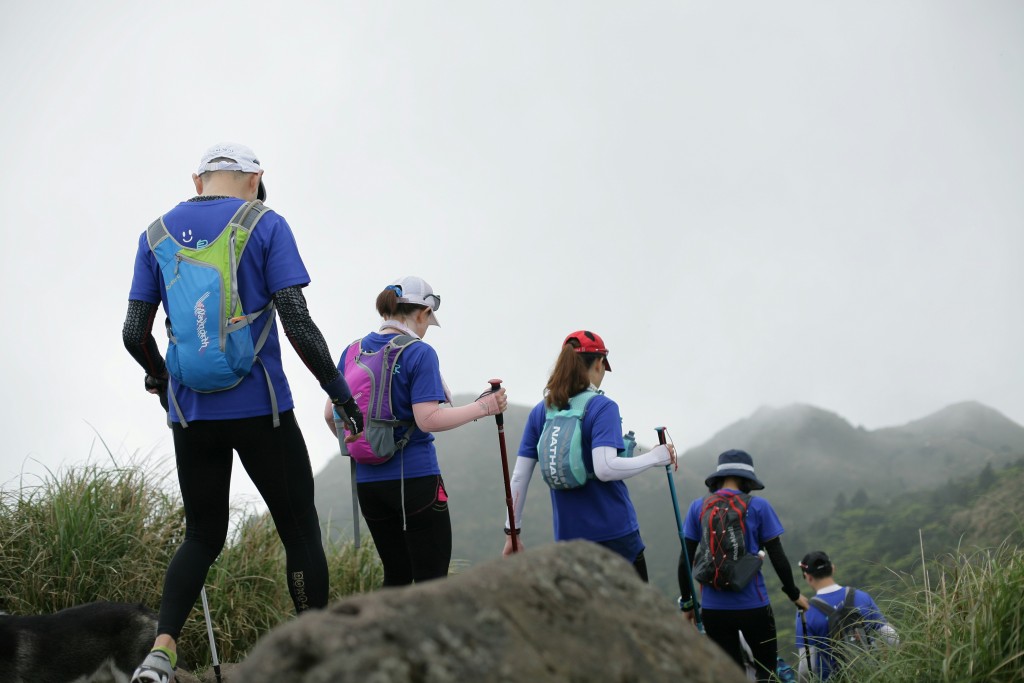
In recent years, more and more people in Hong Kong's parks and waterfront promenades can be seen walking steadily with two long poles. It might look like hiking or trekking, but this activity is called Nordic Walking. Registered physical therapist Dr. Chung Hui-man points out that this is not simply "taking a walk with trekking poles"; it's a full-body exercise with a clear technical basis. Originating from the summer training method of Finnish cross-country skiers, it has now developed into a functional activity suitable for various age groups and is even used in gait training for patients with neurological conditions.
Nordic Walking was initially a training method for cross-country skiers during snowless seasons. They would use poles to simulate the double-poling action, maintaining upper body and core engagement. Later, research found that this walking pattern could both increase cardiovascular load and reduce stress on the knee and hip joints, gradually evolving into an activity suitable for the general public. Recently, it has been applied to gait training for conditions like Parkinson's disease and post-stroke patients, helping to improve shortened stride length and unsteady gait through regular, symmetrical bilateral movements.
Regular walking mainly relies on the lower body muscles. When poles are added in Nordic Walking, the upper body and core are also engaged, resulting in greater muscle recruitment. Chung cites research showing that correct Nordic Walking can burn about 15-25% more energy than regular walking. Heart rate increases accordingly, but the perceived exertion doesn't necessarily increase significantly. In other words, your body accomplishes more work with a similar level of perceived effort.
The backward push of the poles activates the upper back muscles, such as the stabilizers around the shoulder blades. This is especially beneficial for Hongkongers who spend long hours looking down at phones or computers, helping to maintain an upright posture and improve hunched back (rounded shoulders).
By using the poles for support and propulsion, Nordic Walking can share the load on the knee and hip joints. This makes it particularly suitable for those who have reduced activity due to knee pain or lower limb joint discomfort. For seniors with declining balance, this "four-point contact" walking pattern improves stability. For those with impaired gait control, under professional guidance, it can also be part of dynamic balance and rhythm training.
Chung emphasizes that the most common mistake is only lightly tapping the poles on the ground without actually pushing backward – if the upper body isn't engaged, the core value of this exercise is lost. The correct technique is to plant the poles backward, extend the arms naturally behind the body, keep the torso straight, and extend the stride smoothly. Rhythm and coordination are more important than simply chasing speed.
Nordic Walking is often seen as an entry-level or rehabilitative exercise. However, when speed, slope, and stride length increase, upper body and core engagement significantly increases, resulting in considerable overall energy expenditure. Some regions even hold competitions, with demands on fitness and technique. It can help some people rebuild their gait and confidence, while also serving as a form of endurance training – its intensity depends entirely on how it is used.