Read More


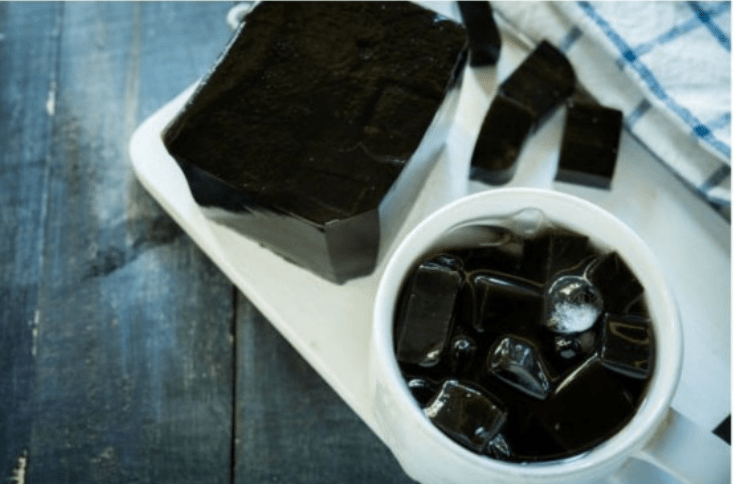
Doctor recommends 3 low-calorie desserts
15 hours ago

4 warning signs of scalp sunburn
23-08-2026 12:00 HKT

IT manager sentenced to 22 months for stealing $1.2m in Deloitte laptops
21-08-2026 21:49 HKT



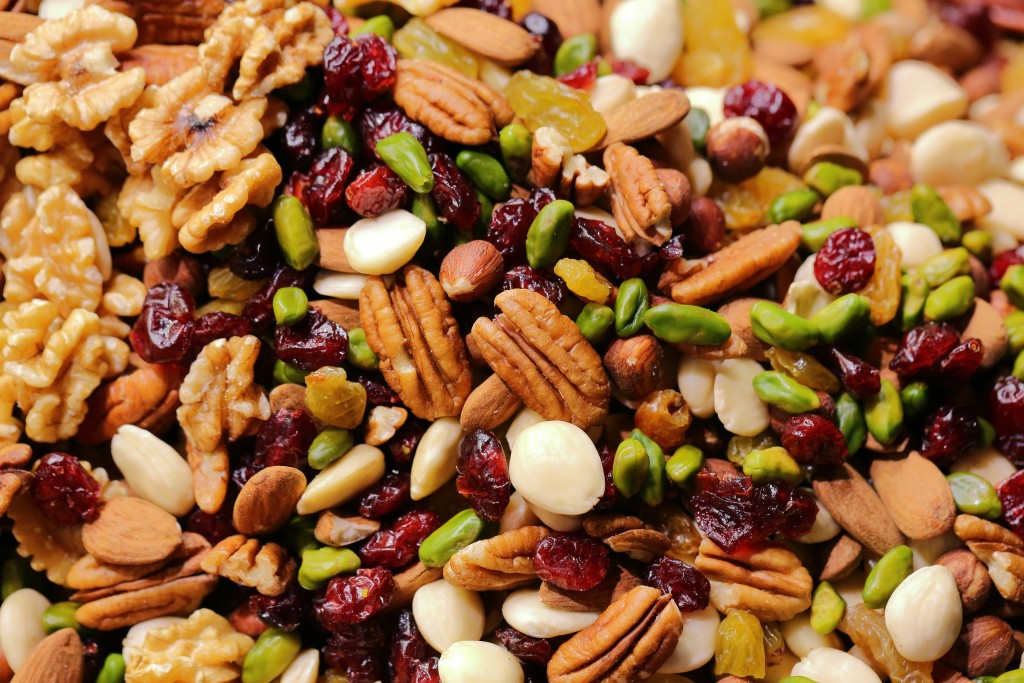
Many people habitually store cooking oils, nuts, and similar foods at room temperature. However, high heat can cause them to oxidize rapidly, even turning rancid or moldy. A food expert names 5 heat-sensitive ingredients and warns that they must be transferred to the fridge during summer.
According to foreign media EatingWell, while not all shelf-stable foods require refrigeration, consistently high room temperatures above 27°C can accelerate spoilage. Food pantries should be kept cool, dark, and dry, ideally around 10-21°C. High heat, moisture, and light trigger chemical reactions inside food, reducing flavor and nutritional value. Food safety expert Wade Syers also warns that for opened or damaged packaging, high temperatures accelerate the growth of pathogens. To prevent spoilage, the following 5 foods must be moved to the refrigerator in summer:
1. Cooking Oils: High-fat foods spoil most easily in heat, as higher temperatures accelerate fat oxidation, causing rancidity or off-flavors. If your kitchen doesn't have air conditioning, it's best to refrigerate cooking oils, especially olive oil, nut oils, and seed oils. Cloudiness or solidification after refrigeration is normal; simply let them return to room temperature before use.
2. Nuts and Seeds: While nuts and seeds don't usually need refrigeration, varieties like macadamias, pine nuts, walnuts, and pecans have very high fat content and easily oxidize in heat, leading to poor texture and even bitterness. In hot weather, refrigeration significantly extends their shelf life. For even longer storage, they can be put in the freezer.
3. Natural Peanut Butter: Most commercial peanut butter contains emulsifiers to prevent oil separation, but natural peanut, almond, or sunflower seed butters do not. In heat, the fats melt and form a layer of oil on the surface, making them prone to rancidity. Refrigerate them and allow slight warming before use for easier spreading.
4. Whole Wheat Flour: Whole wheat flour retains all components of the grain, with higher protein and fat content than refined white flour, giving it a shorter shelf life. In hot, humid summer conditions, it spoils more easily and is best stored in the refrigerator. Hot weather also causes bread to mold quickly. To keep bread fresh, it's recommended to freeze it; freezing preserves texture better than refrigeration, which can make bread harden.
5. Chocolate: Chocolate melts easily in high heat. Melted chocolate is still edible, but its texture and appearance change, and it recrystallizes upon cooling. To keep it solid even when temperatures rise, store it in the refrigerator.
Besides refrigerating these heat-sensitive items, experts share 4 practical tips to help other shelf-stable foods survive the summer:
Source: EatingWell