To build muscle or lose fat, getting enough protein is key. But is eating one egg or a block of tofu daily enough? A nutritionist points out that protein content can vary greatly depending on the size and type of food. She lists estimated protein values for 6 common foods and shares 4 tips for making smarter choices.
Nutritionist Yang Si-han posted on her Facebook page that whether you're aiming to build muscle, lose fat, or simply maintain health, adequate protein intake is essential. However, she often hears patients ask in clinics: "Nutritionist, I ate one egg and one chicken leg today. Is that enough protein?" In reality, even for a chicken leg or tofu, the protein content can differ significantly due to actual weight, size, and specific type. To make it easier to control portions in daily life, she compiled estimated protein values for the following 6 common foods in standard serving sizes:
Protein Content in 6 Common Foods
- Egg (1 medium-large, approx. 55-60g): Approx. 7g protein
- Chicken Leg:
- 1 small drumstick: Approx. 14-18g protein
- 1 whole "L-shaped" leg with thigh (common in takeout): Approx. 30-40g protein
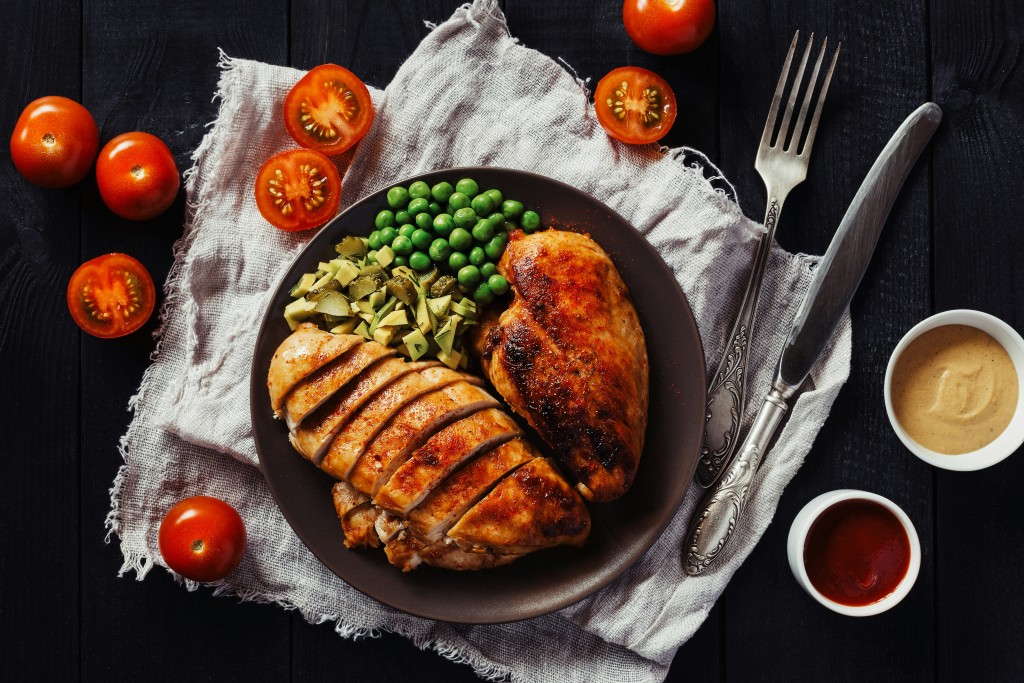
- Chicken Breast (1 single piece, approx. 90-110g): Approx. 20-24g protein
- Boxed Tofu (1 box, 300g):
- Blue packaging (silken/extra soft tofu): Approx. 14.5g protein
- Orange packaging (regular firm tofu): Approx. 25.5g protein
- Soy Milk (1 carton, 400ml): Approx. 12-14g protein
- Mackerel (1 fillet, approx. 150-160g, half a fish): Approx. 30-35g protein
4 Smart Tips for Choosing Protein Foods
Once you understand the basic values, Yang reminds that there are 4 hidden details to pay attention to when actually selecting and eating these foods:
- Chicken leg sizes vary greatly: A small drumstick has less meat, while a large "L-shaped" leg (with thigh) has significantly more meat, often doubling the protein content. Don't confuse them when calculating.
- Check tofu packaging colors: Blue-packaged silken tofu has higher water content and lower protein density (approx. 4.8g per 100g). Orange-packaged regular tofu is firmer and has higher protein content (approx. 8.5g per 100g). For more plant-based protein, choose the orange package.
- Choose high-protein soy milk: Regular packaged soy milk contains about 3-3.5g protein per 100ml. If your daily protein intake is insufficient, look for "extra thick" or "high-fiber" options, which usually have slightly higher protein content.
- Mackerel is a high-quality protein source: It's also rich in Omega-3 fatty acids, which help regulate inflammation. Eating one fillet provides substantial satiety and a good amount of protein.
Source: Nutritionist Yang Si-han