Read More


Night Recap - September 9, 2026
3 hours ago

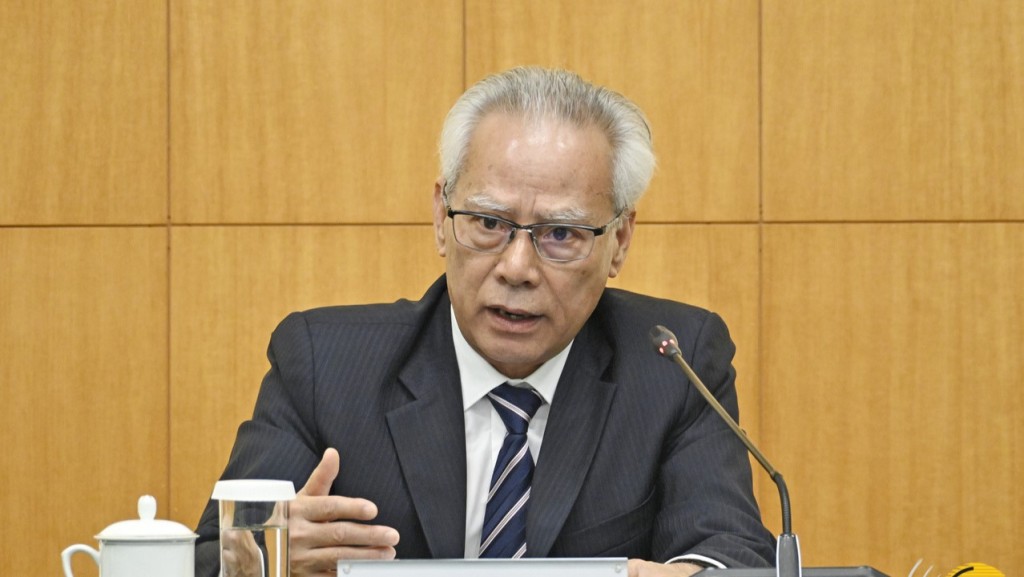
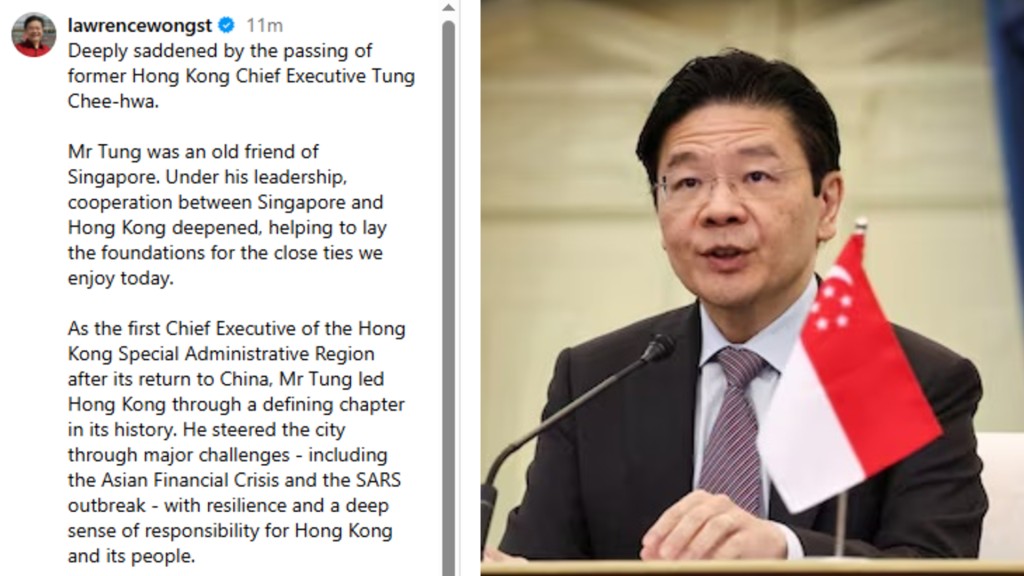
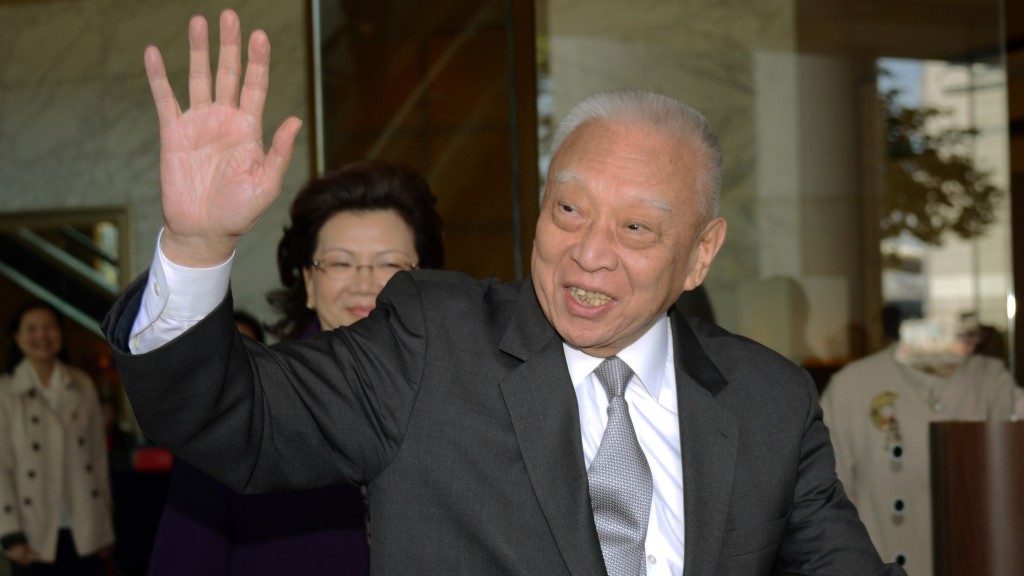
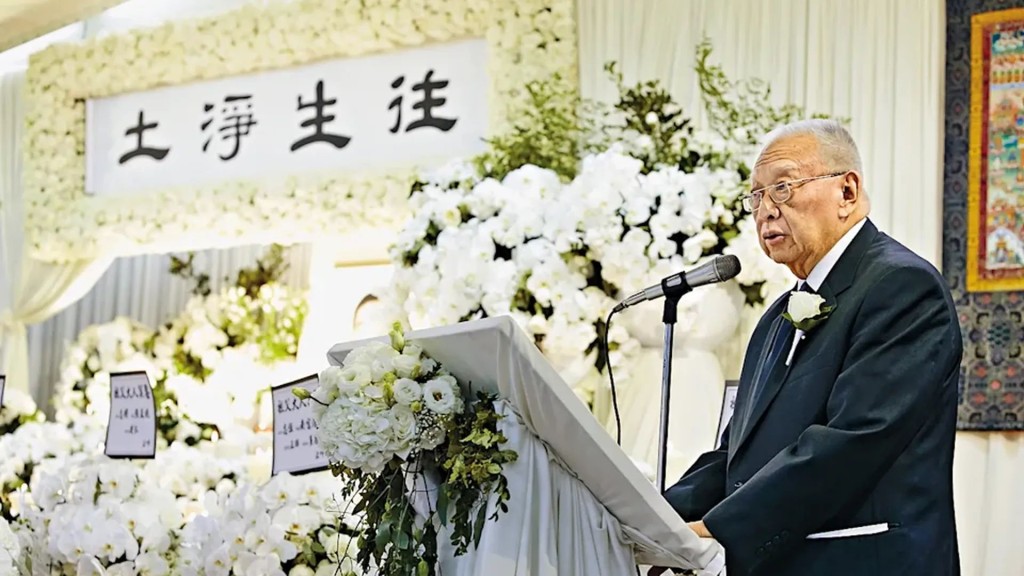
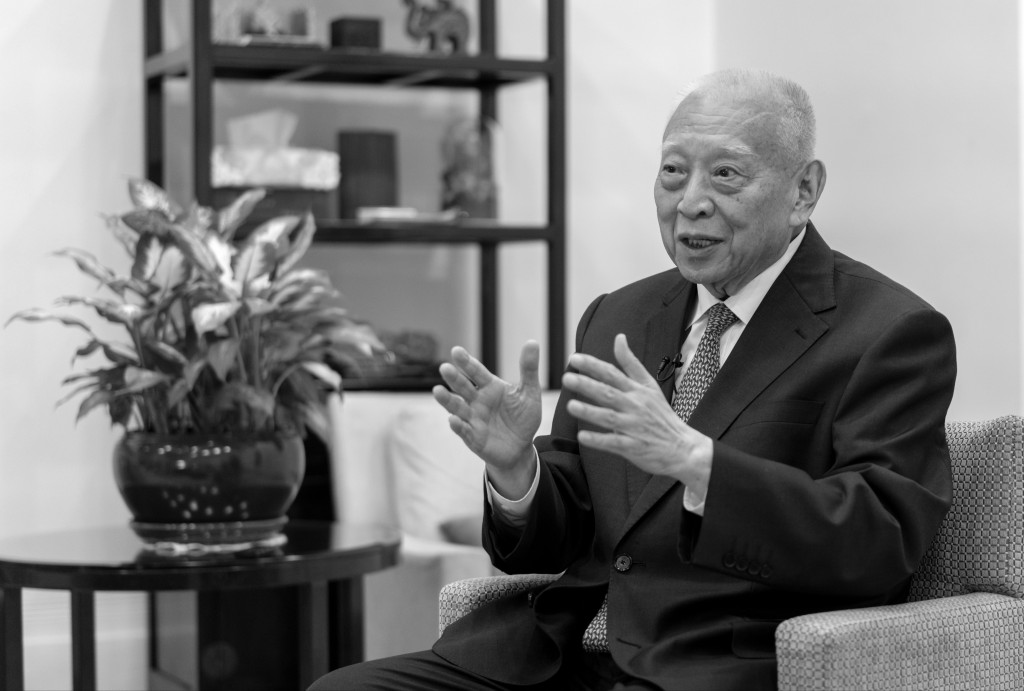
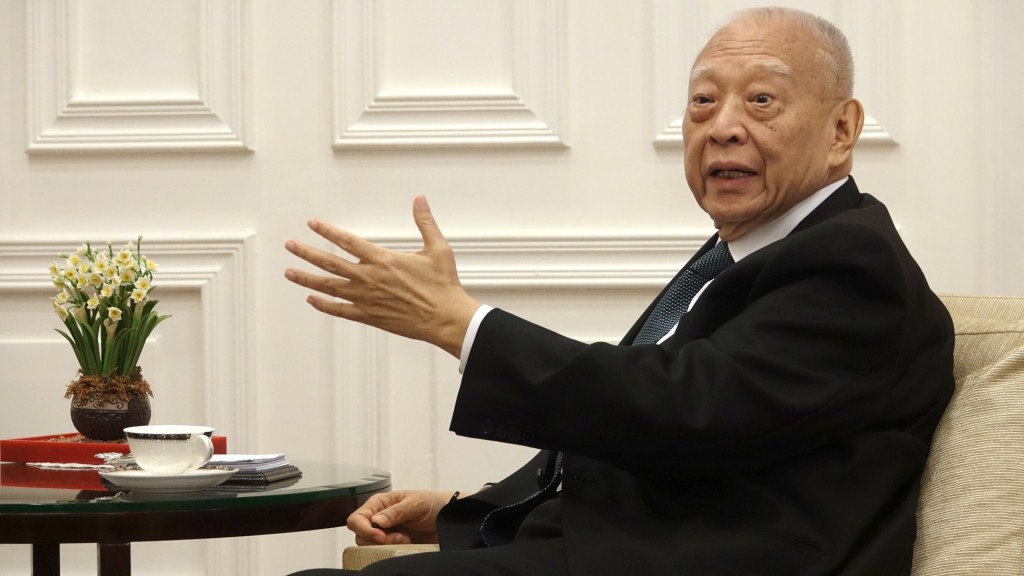
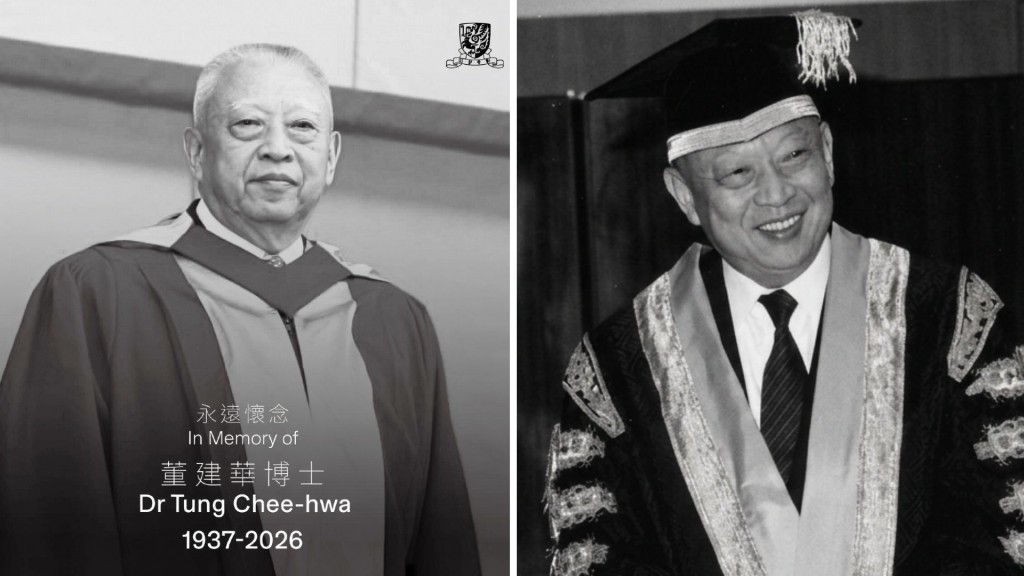
Hong Kong’s first chief executive Tung Chee-hwa dies at 89
09-09-2026 00:48 HKT


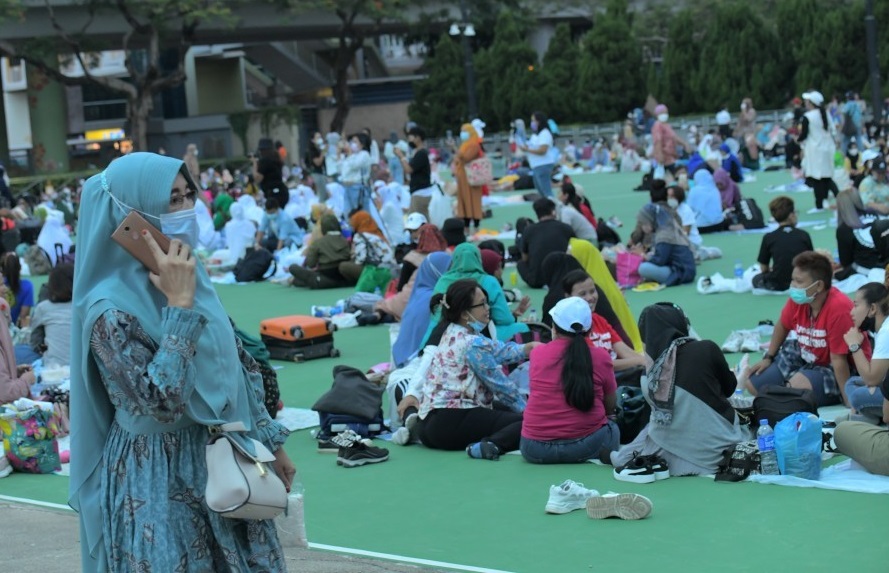
An employers’ group has pushed back against a union proposal to raise the minimum allowable wage for foreign domestic helpers from HK$5,100 to HK$6,770, saying the increase would be too steep for most employers.
Hong Kong Union of Employment Agencies chairman Thomas Chan Tung-fung said on a radio program on Tuesday that a more reasonable adjustment would be a monthly pay rise of HK$150 to HK$200. He also suggested raising the food allowance to HK$1,500.
A federation of foreign domestic helper unions earlier proposed increasing the minimum allowable wage to HK$6,770. It also called for the food allowance to be more than doubled from HK$1,236 to HK$2,770.
Chan said the proposed increase was too high and would be difficult for most employers to accept.
He said industry observations showed that about 80 percent of foreign domestic helpers in Hong Kong are currently paid the standard minimum wage of HK$5,100. Another 15 to 20 percent receive higher pay, usually around HK$5,300 to HK$5,500, while only a very small number earn HK$6,000 or above.
Responding to the union’s proposed wage increase, Chan said inflation should not be used as the main reason for a sharp rise. Although the government reported inflation of about 2 percent in May, he said helpers’ basic living expenses, including food, accommodation and transport, are generally covered by employers.
He said the actual inflation pressure faced by helpers was only about 0.5 percent at most, while the remaining pressure had effectively been passed on to employers.
Chan also said another proposal to raise the wage to HK$6,172 would still be above a level most employers could accept.
He suggested that the minimum wage be raised by HK$150 to HK$200, or that a two-tier arrangement based on years of service be considered.
Under such an arrangement, newly arrived helpers would remain on the basic statutory wage, while experienced helpers with five years or more of service could negotiate salaries of HK$5,500 to HK$6,000 with their employers. Chan said this would be fairer to both sides.
Asked whether lower salaries would weaken Hong Kong’s ability to attract foreign domestic helpers, Chan said the city’s competitiveness remains broadly comparable with Taiwan, Singapore and Malaysia.
He said helper salaries in Malaysia are generally lower than in Hong Kong, while pay in the Middle East, which also employs large numbers of Filipino and Indonesian domestic workers, is around HK$3,500 to HK$4,000.
Although some European and American markets offer salaries of more than HK$10,000, Chan said those positions often involve skilled labor and are different from domestic helper roles. He said Hong Kong is not facing significant competitive pressure.
On food allowance, Chan said employment contracts require employers to provide free meals, and about 90 percent of employers already do so.
Only a small number of employers provide a food allowance instead, usually because of their own dietary habits, such as vegetarianism, or because they often dine out.
Chan said the food allowance is intended for helpers to buy basic ingredients such as rice, vegetables and meat to cook at the employer’s home, rather than to subsidize eating out or buying ready-made meals for every meal.
He said raising the allowance to around HK$1,500 would be sufficient to cover the cost of ingredients for helpers who prepare their own food.