Extreme heat continues. Excessive sweating can easily lead to dehydration or even heatstroke! Drinking water alone may not be enough. A nutritionist shares 6 diet tips for hydration and cooling, highlighting one vegetable with 96% water content to help lower body temperature.
According to The Telegraph, during heatwaves, maintaining a balanced diet helps replenish energy, stay hydrated, and significantly affects how you feel overall. Gut health nutritionist Farzanah Nasser points out that eating the right foods is key to cooling down. She shares 6 effective dietary tips for hydration and cooling:
6 Tips for Hydration and Cooling
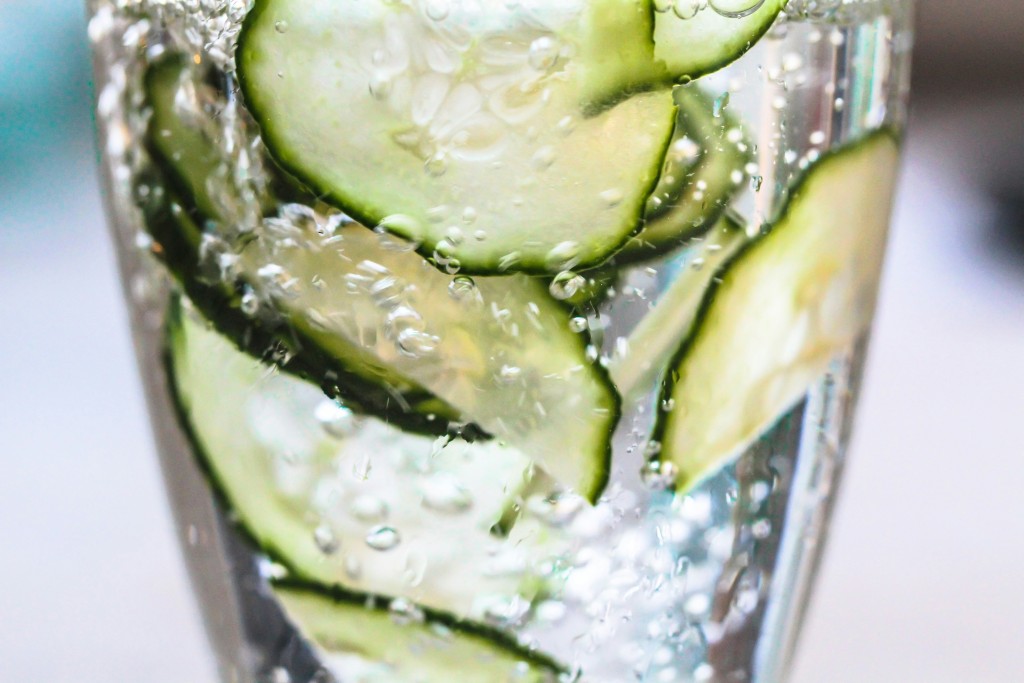
- Drink Water and Eat High-Water Foods: When the body cools itself through sweating, failing to replenish lost fluids leads to dehydration symptoms: poor concentration, mental fatigue, headaches, irritability, and drowsiness. About one-fifth of daily fluid intake comes from food. Many plants are high in water: cucumber tops the list at 96% water, tomatoes at 95%, and grapes over 80%. Strawberries, melon, mushrooms, oranges, and various berries are also low-calorie, rich in vitamins and fiber.
- Suggestion: Make a cooling salad with cucumber, tomatoes, grapes, rocket (arugula), quinoa, cannellini beans, and mint, dressed with lemon juice, extra virgin olive oil, and a pinch of sea salt for a hydrating lunch.
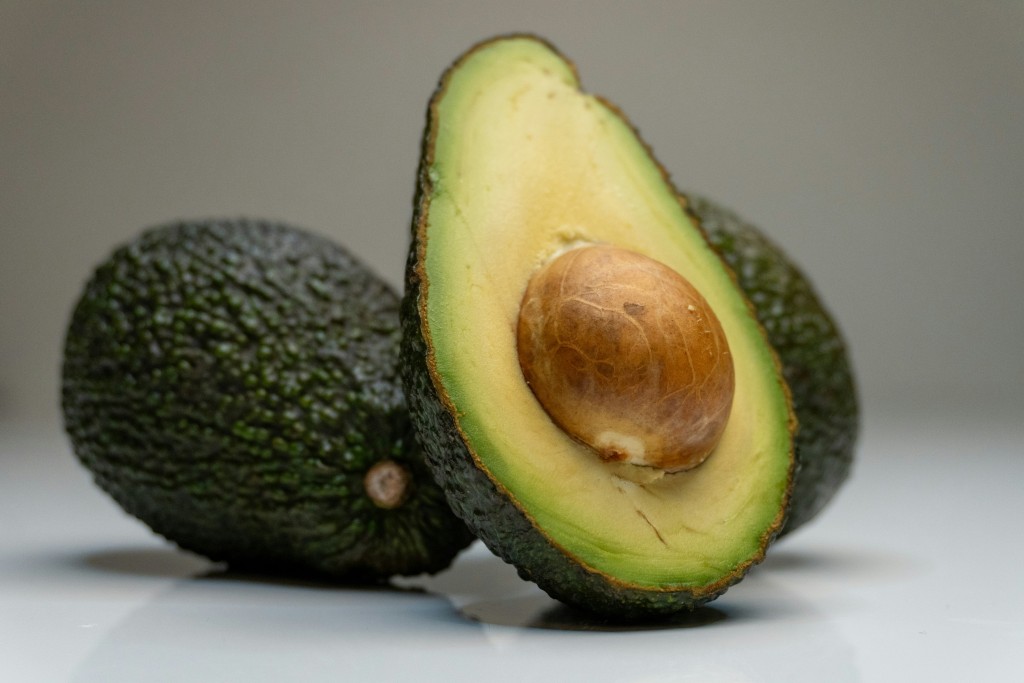
- Replenish Electrolytes from Natural Foods: Sweating depletes electrolytes (sodium, potassium, magnesium, calcium), which maintain fluid balance and nerve signaling, supporting muscle contraction, blood pressure, and energy levels. While electrolyte powders are popular, aim for natural sources: coconut water is rich in potassium, magnesium, and sodium; avocados, bananas, and tomatoes provide potassium and magnesium; legumes offer calcium. Magnesium is especially important for those prone to muscle cramps.
- Suggestion: Make a refreshing yogurt drink by adding 1 tablespoon of yogurt or kefir to a glass, filling with water, adding a pinch of salt, and stirring.
- Eat Natural Antioxidant Foods: Foods offer natural protection against UV rays. Watermelon contains lycopene, a powerful antioxidant; studies show it neutralizes harmful free radicals from UV exposure. Green tea polyphenols have similar effects. (Sunscreen is still essential for blocking UV rays.) Enjoy watermelon as a healthy snack, in salads, or drink chilled or hot green tea.
- Cook Less, Eat Smaller Meals More Often, Reduce Body Burden: Prepare light cold dishes using canned chickpeas, quinoa, lentils, canned fish, and sliceable tofu, paired with cucumber, tomatoes, and leafy greens for an easy, hydrating meal. Keep olives, sun-dried tomatoes, artichokes, and cooked beetroot in the fridge for quick meals.
- Drink Mint Tea: Eating mint creates a cooling sensation in the mouth because menthol activates cold receptors. Studies show menthol activates a tiny "thermometer" in the body normally triggered by cold temperatures. Though menthol itself isn't cold, it triggers the same response as touching ice.
- Suggestion: Brew fresh mint leaves as hot tea or toss them into salads.
- Use Heat to Fight Heat: Counterintuitively, drinking hot drinks promotes sweating – the body's primary cooling mechanism. Capsaicin in spicy foods and isothiocyanates (from mustard/horseradish) also trick the nervous system into triggering sweat for cooling. For summer grilling, use spicy marinades for kebabs and pair with a hydrating, electrolyte-rich homemade yogurt potato salad.
3 Foods to Avoid in High Heat
Farzanah Nasser advises avoiding these "food landmines" when temperatures soar:
- Ultra-Processed Foods (e.g., chips, fast food): High in salt and low in water; the body must draw water from cells to digest them, exacerbating dehydration.
- Greasy/Fatty Foods: Digestion requires more energy and generates heat. Eat smaller, more frequent meals to stay cool.
- High-Sugar Drinks and Sweets: Cause rapid blood sugar spikes and crashes, making you feel thirstier. Replace them with homemade smoothies using leafy greens, cucumber, and apple.
Source: The Telegraph