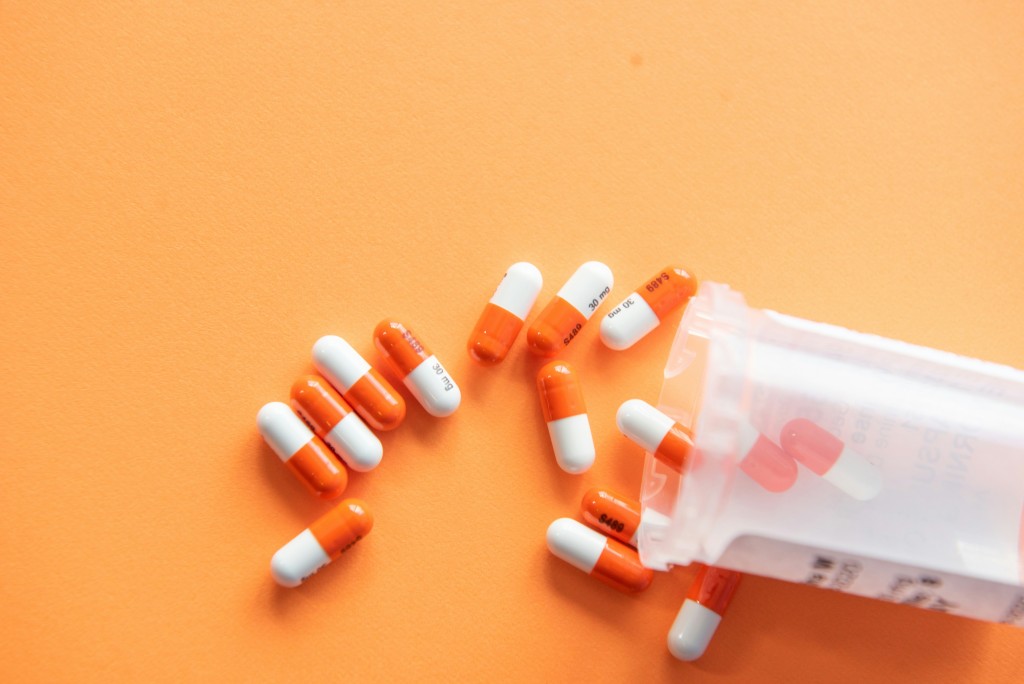
Losing weight is a lifelong challenge for many women. If there were a way to lose weight without dieting or exercise, many would be tempted to try it. The market is flooded with various weight loss supplements, many claiming to be "natural" and "fast-acting." However, experts warn that some ingredients not only fail to reduce fat effectively but can also be harmful to health. Long-term use may damage the liver, harm the digestive system, and increase cardiovascular risks. Consumers should not trade their health for ineffective products.
4 High-Risk Weight Loss Ingredients – Nutritionist Says "Not Even If Paid"
Registered physiotherapist and nutritionist Steven Yu recently shared four weight loss ingredients he would "not take even if paid" on his personal page, urging consumers to be cautious before purchasing:
1. Senna
Commonly found in detox teas, senna does not burn fat but stimulates the bowels to produce a laxative effect, causing temporary weight loss that returns once you rehydrate. Long-term use may lead to electrolyte imbalance, disrupt normal bowel function, and even cause dependency.
2. Sinefrine
Often marketed as a natural appetite suppressant, research shows it has minimal fat-reducing effects—essentially ineffective. Some studies suggest sinefrine may cause increased heart rate and elevated blood pressure. Taking cardiovascular risks for an unproven effect is not worth it.
3. Garcinia (Garcinia Cambogia)
Though claimed to help control appetite, academic research shows its weight loss effects are negligible. More concerning is that some users have experienced liver damage symptoms—fatigue, dark urine, and yellowing of the eyes—with severe cases requiring a liver transplant. Even if rare, risking liver damage for an ineffective product is a poor trade-off.
4. Guarana
Found in many "natural" fat-burning products, guarana's main effect is similar to consuming large amounts of caffeine. For those already drinking coffee, adding guarana may cause side effects like tremors, dizziness, and insomnia, without helping weight loss.
Ask Yourself These 4 Questions Before Buying Supplements
Steven advises consumers to ask themselves four questions before purchasing any fat-loss supplement:
-
Does the product clearly list each ingredient and its dosage?
-
Are human studies measuring actual fat loss, or just changes in metabolism or appetite?
-
Is the expected effect significant enough to justify the cost?
-
Is the effect influenced by caffeine, medication, or other supplements?
He reminds that even if severe side effects have only appeared in a small number of cases, the risk may still not be worth taking if the expected benefit is nearly zero. Those with chronic illnesses, on medication, or pregnant should consult a healthcare professional before using any supplements.
Department of Health: Poisoning May Cause Mental, Cardiovascular, and Gastrointestinal Issues
From 2016 to 2020, the Department of Health received 72 poisoning cases related to weight loss products. Most victims were female. The most common symptoms were mental and psychological issues (e.g., hallucinations, abnormal behaviour), followed by cardiovascular problems (chest discomfort, palpitations), and gastrointestinal discomfort (vomiting, diarrhoea). Most cases required hospitalisation. All 71 samples tested contained undeclared or banned ingredients, most commonly sibutramine (an appetite suppressant banned due to cardiovascular risks), followed by laxatives, diuretics, and animal thyroid tissue.
Safe Weight Loss: 0.5 to 1 kg per Week with Diet and Exercise
Consumers should be aware that weight loss product claims are often exaggerated, and side effects can be severe and long-lasting. If a product sounds "too good to be true," be extra cautious—such products often lack scientific evidence and may contain harmful drug ingredients. The Department of Health advises that safe weight loss should aim for 0.5 to 1 kg per week, combined with a balanced diet and regular exercise. Rapid weight loss can lead to electrolyte imbalance, malnutrition, gallstones, and fatigue.
Source: Registered Physiotherapist and Nutritionist Steven Yu (authorised reprint)