Read More



Seven arrested over Kwai Chung illegal gathering
14-09-2026 12:33 HKT


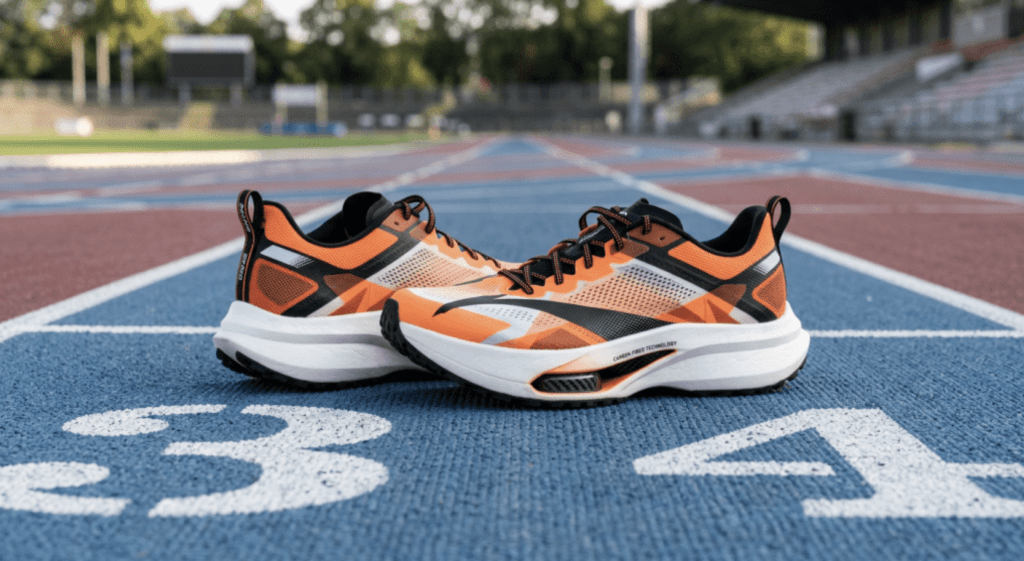
In recent years, the marathon craze has continued. Thick-soled carbon plate running shoes have become almost essential gear for races, touted for improving propulsion and saving energy. Studies show these shoes can reduce running energy expenditure by about 2% to 4%, making runners more efficient. However, physical therapist Dr. Chung Wai-man shared with Sing Tao Headline that while carbon plate shoes "save effort," they may not be "safer."
Chung explains that the core design of carbon plate shoes features a highly resilient midsole combined with a rigid carbon fiber plate, along with a pronounced curved forefoot structure. This design can make gait more efficient by reducing the time the forefoot spends bending. Some studies suggest that the curved sole can reduce pressure on the forefoot but simultaneously alters the overall force distribution on the foot.
Biomechanical analysis indicates that the carbon plate and thick sole change the working patterns of the ankle joint and foot muscles, affecting the load on the calf muscles and Achilles tendon. Clinically, many runners who switch to carbon plate shoes experience tight calves, stiffness, and even pain in the Achilles tendon, symptoms that become more pronounced when running volume or intensity increases.
Chung emphasizes that there is currently no definitive evidence proving carbon plate shoes directly increase the overall injury rate. However, it is certain that these shoes change how forces are applied to the body. If the body is not adequately prepared, injuries can appear.
Not everyone is suitable for carbon plate shoes. The following 3 groups should be particularly careful:
The problem often lies not in the shoe itself, but in the runner increasing both mileage and speed simultaneously, leaving the body insufficient time to adapt. Injuries accumulate, leading to a situation where "technology outpaces the body." "Cardiorespiratory fitness can improve in a few weeks, but tendons and bones often need much longer to adapt." Chung reminds that carbon plate shoes are best used for races or specific workouts, not as daily trainers.
He recommends using carbon plate shoes 1-2 times per week and strengthening calf and foot muscles (e.g., eccentric heel raises, single-leg balance exercises) to improve tendon tolerance. Running safely is more important than running fast.