
Read More






Linen clothing care guide: How to wash without shrinking or wrinkles
16-06-2026 12:00 HKT


Top 6 natural lutein-rich foods for eye health
15-06-2026 12:00 HKT


Many people habitually put vegetables bought from the market into the refrigerator. However, an expert names 3 vegetables that should never be refrigerated. Among them, if potatoes are stored in the fridge and then cooked at high temperatures, they may release carcinogenic substances. How should these 3 vegetables be stored for maximum safety and freshness?
According to foreign media Simply Recipes, Josh Alsberg, owner of Rubinette Produce Market, points out that not all vegetables are suitable for the refrigerator. In fact, some vegetables are best stored at room temperature; refrigeration can instead ruin their texture and flavor. He specifically names the following 3 vegetables and strongly advises against refrigerating them:
While most herbs are not very long-lasting, basil responds worst to low temperatures. Because basil leaves are rich in aromatic oils that are highly sensitive to cold, they will quickly turn brown and even wilt and shrink when placed in the refrigerator.
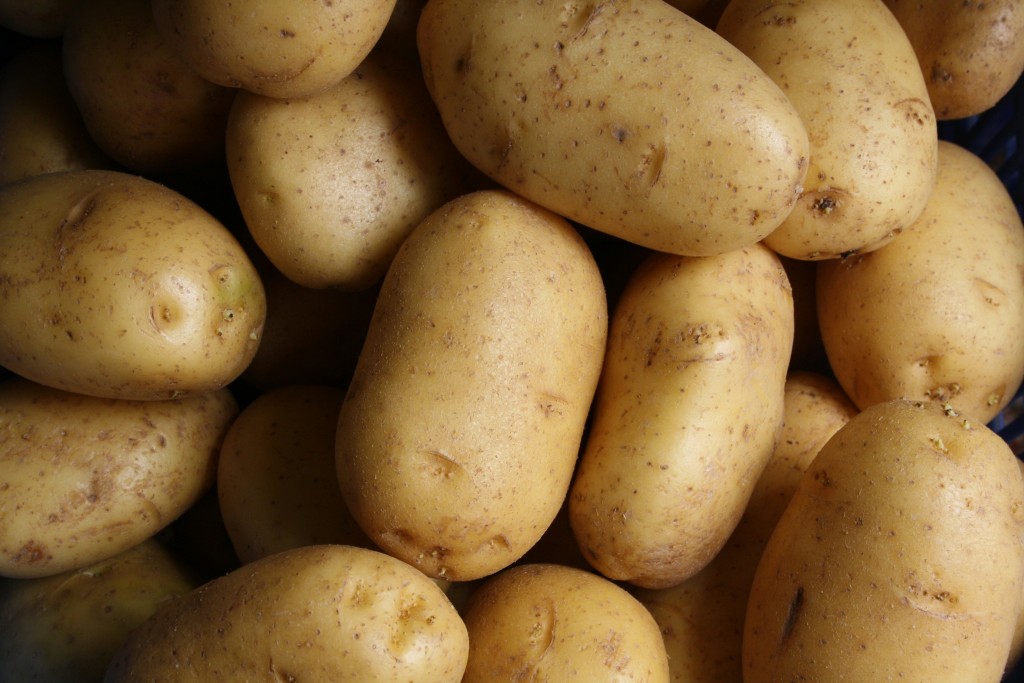
Whether new potatoes, russet potatoes, or even colorful sweet potatoes, they should be stored at room temperature. Refrigeration causes the starch in potatoes to convert to sugar, making their original fluffy texture too sweet or slightly bitter. Additionally, low temperatures damage the potato's structure, causing it to become woody. When cooked, they become dense and coarse, losing their light, soft flavor. The U.S. Food and Drug Administration (FDA) also strongly advises against refrigerating potatoes. When chilled potatoes are cooked at high temperatures, they can produce a chemical called acrylamide, a potential carcinogen.
Unlike green onions (scallions) that need refrigeration, larger onions with paper-thin skins commonly used for stewing or clay pot dishes – such as yellow, white, and red onions – must be kept out of the refrigerator. The cold, humid environment causes these onions to quickly soften, accelerate spoilage, and can even affect their appearance.
Source: Simply Recipes