The passing of former Miss Hong Kong Natalie Ng Man-yan, who died peacefully at 51 after bravely battling recurrent, metastatic breast cancer for over two years, has again raised public awareness about breast cancer, the "number one clinical killer" of women. To help the public better understand breast cancer prevention and the latest medical developments in a practical, step-by-step manner, we invited clinical oncologist Dr. Cheung Fan-yiu to answer common questions, dispel myths, and highlight recent treatment breakthroughs.
1. I live healthily and have no family history. Why did breast cancer still find me?
Cheung: In Hong Kong, up to 80-90% of breast cancer patients have no family history of the disease. The causes are complex, mainly related to hormonal changes within the body or genetic mutations in breast cells. While genetics (e.g., carrying BRCA1/2 mutations) is a risk factor, modern lifestyles also play a significant role. Factors include high-fat diets, lack of exercise, alcohol consumption, chronic stress, never having children or late childbirth (after 30), early menstruation (before 12), or late menopause (after 55). These factors prolong estrogen exposure, increasing cancer risk. So, even with a healthy lifestyle, regular check-ups are essential.
2. If I feel a lump in my breast, does it mean I have cancer? What other "silent" signs should I watch for?
Don't panic. A lump isn't necessarily cancer; it could be a benign fibroadenoma or cyst. However, any new lump requires immediate medical examination (clinical exam, ultrasound, mammogram). More importantly, breast cancer may not be painful, and a lump may not even be palpable. Easily overlooked signs include:
- Skin changes (dimpling, orange-peel texture)
- Nipple retraction or abnormal discharge (especially unilateral, spontaneous, bloody)
- Sudden change in breast shape, size, or asymmetry
- Swollen armpit lymph nodes
Pay attention to these subtle changes during daily activities like showering or changing clothes.
3. What are the stages of breast cancer, and what are the 5-year survival rates?
Staging (I-IV) is based on tumor size, lymph node involvement, and metastasis to other organs. Hong Kong's medical standards are high, and breast cancer treatment outcomes are among the best.
- Stage I (Early): Tumor <2cm, no lymph node spread. 5-year survival >95%. Often curable with surgery.
- Stage II: Tumor 2-5cm, or limited axillary lymph node involvement. Survival ~85-90%.
- Stage III (Locally Advanced): Larger tumor or extensive lymph node spread. Survival ~60-70%.
- Stage IV (Metastatic/Advanced): Cancer spread to distant organs (liver, lungs, bones, brain). While previously considered incurable, new drugs have dramatically improved survival. Many patients maintain a high quality of life.
Statistics are just numbers; individual factors vary greatly. The most important thing is active treatment adherence.
4. Does breast cancer treatment always mean a "one-size-fits-all" approach or chemotherapy with guaranteed hair loss?
Absolutely not. Modern breast cancer treatment is increasingly personalized and precise. Treatment plans are based not only on stage but also on molecular subtypes (e.g., ER/PR, HER2, triple-negative). Strategies differ:
- Surgery: Unless tumors are very large or multiple, breast-conserving surgery (lumpectomy) with post-op radiotherapy is common, preserving breast appearance.
- Hormonal Therapy: For hormone receptor-positive patients, daily medication or regular injections suppress estrogen stimulation. Side effects are generally milder than chemotherapy.
- Targeted Therapy: For HER2-positive patients, targeted drugs precisely attack cancer cells, greatly reducing recurrence risk.
Regarding chemotherapy-related hair loss: some patients can consider scalp cooling therapy. By lowering scalp temperature, blood flow is reduced, decreasing chemotherapy drug concentration reaching hair follicles. This may reduce the extent of hair loss.
5. What are the recent major breakthroughs in breast cancer treatment? Is there hope for triple-negative breast cancer?
Two recent revolutionary breakthroughs offer immense hope for advanced or recurrent patients:
- Immunotherapy: For previously difficult-to-treat triple-negative breast cancer (ER-, PR-, HER2-), immune checkpoint inhibitors (e.g., PD-L1 inhibitors) reactivate the patient's own immune system to recognize and kill cancer cells. Combined with chemotherapy, they significantly prolong survival, whether as pre-operative (neoadjuvant) therapy or for advanced disease.
- Antibody-Drug Conjugates (ADCs): Known as "biological missiles," these new drugs link a precise targeted antibody with a potent chemotherapy drug. They act like smart bombs, locking onto cancer cell surfaces and releasing the toxin inside the cell. This greatly enhances killing power while sparing healthy cells, resulting in far fewer side effects than traditional chemotherapy. Even patients previously considered HER2-negative (HER2-Low) can now benefit from some ADCs.
6. As in Ng's case, why does cancer sometimes recur years later? How can we prevent it?
This is cancer's insidious nature. After initial curative treatment (surgery, chemo, radiation), while scans show no tumor, a few microscopic, undetectable "micrometastases" may linger (e.g., in lymph, bones, or blood). When immunity drops or conditions favor them, these dormant cells can reactivate. To reduce recurrence risk:
- Complete the full treatment course (e.g., hormonal therapy often for 5-10 years).
- Regular follow-ups (clinical exams, blood tests for tumor markers, imaging scans) are crucial. Early detection of recurrence allows much better control.
7. Facing the stress of cancer and fear of death, how should patients and families cope?
Clinically, I've seen many patients crushed not by the disease but by stress. Denial, anger, sadness, and fear are normal. Ng showed immense courage, moving from avoidance to facing it head-on, even inviting friends to help shave her head. This "accept and face" mentality is very positive.
- For patients: You don't need to be a "perfect cancer warrior." Cry when you need to. Seek professional counseling, join support groups, share experiences – this greatly reduces loneliness.
- For families: Your greatest support comes from being there, listening, and maintaining daily routines as normally as possible.
8. There are many rumors: Does eating chicken, drinking soy milk, or using antiperspirant increase breast cancer risk?
Let's debunk these common myths:
- Chicken: Concerns about injected hormones causing cancer are unfounded. Modern poultry farming doesn't use injected chemical hormones. However, chicken skin and fat are high in fat, and a high-fat diet stimulates estrogen secretion. Eat moderate chicken, but avoid skin and fat.
- Soy Milk: Contains soy isoflavones (plant estrogens). Despite structural similarity to human estrogen, they actually compete for binding sites, providing an "anti-estrogen" protective effect. Studies show moderate soy consumption (soy milk, tofu) instead helps reduce breast cancer recurrence risk.
- Antiperspirant: This is a long-standing internet myth. There is no scientific or clinical evidence proving aluminum compounds or chemicals in antiperspirants cause breast cancer. Lymphatic detoxification and sweat gland secretion are two different things.
9. How should breast cancer survivors care for themselves after treatment and rebuild a healthy life?
Post-recovery is a new chapter. The "health prescription":
- Maintain a healthy weight: Obesity (especially post-menopause) increases estrogen production in fat tissue, raising recurrence risk.
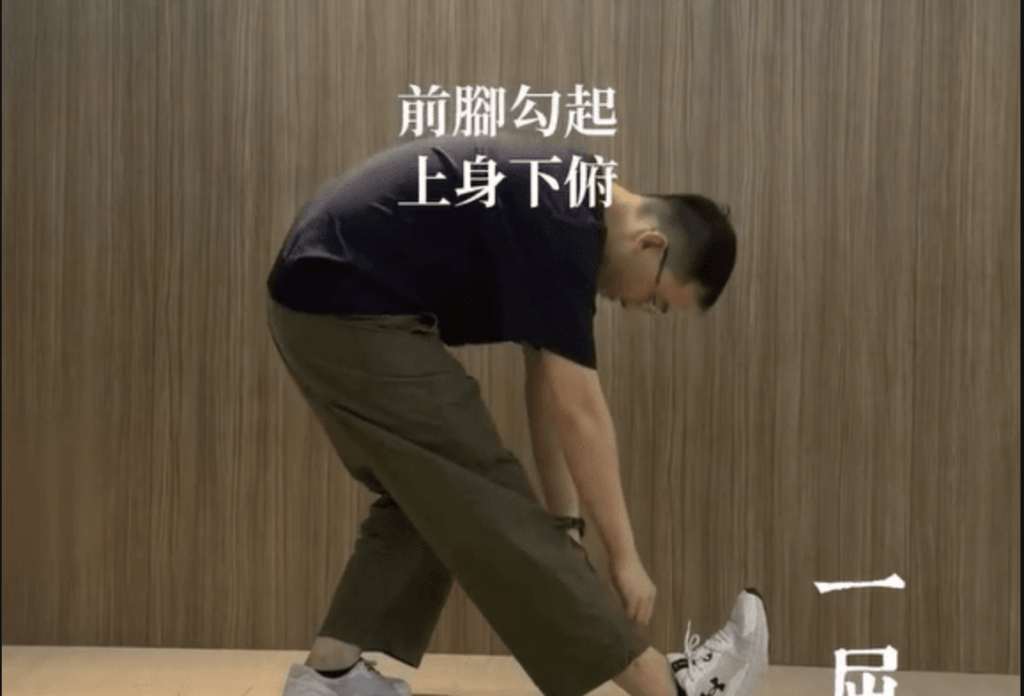
- Regular exercise weekly: At least 150 minutes of moderate-intensity exercise (brisk walking, yoga, Tai Chi, swimming) boosts immunity and alleviates joint pain and fatigue from cancer drugs.
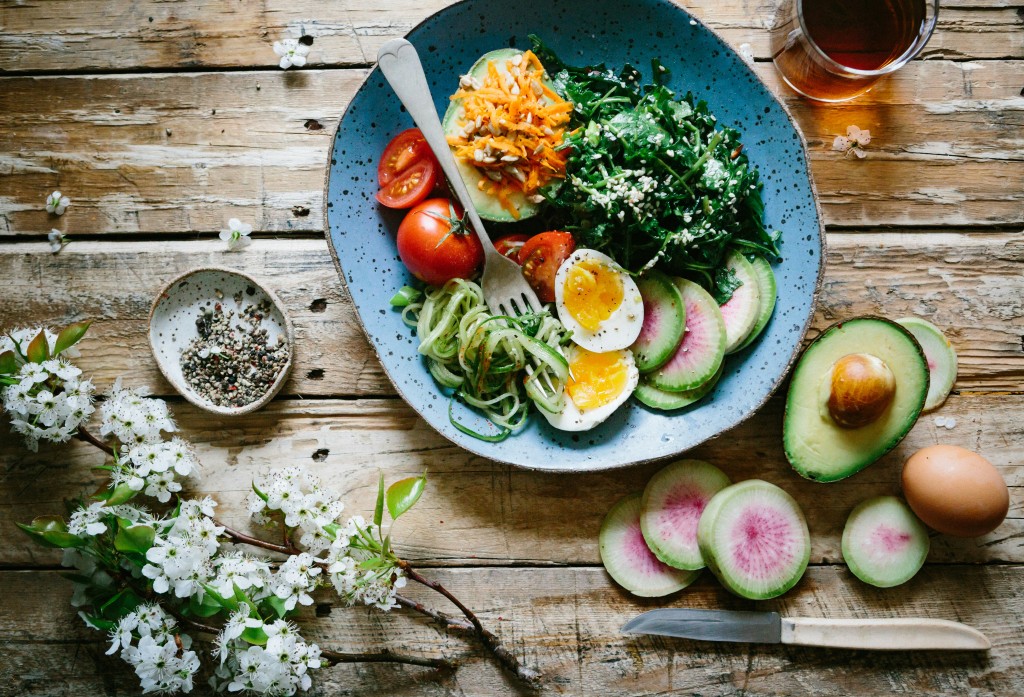
- Mediterranean-style diet: Plant-based, rich in fresh vegetables, fruit, whole grains, deep-sea fish (Omega-3), using olive oil. Reduce processed meats and refined sugar.
- Pay attention to body signals: Persistent bone pain, chronic cough, unexplained weight loss, or swollen lymph nodes require immediate specialist follow-up – don't delay.
Author: Clinical Oncologist Dr. Cheung Fan-yiu