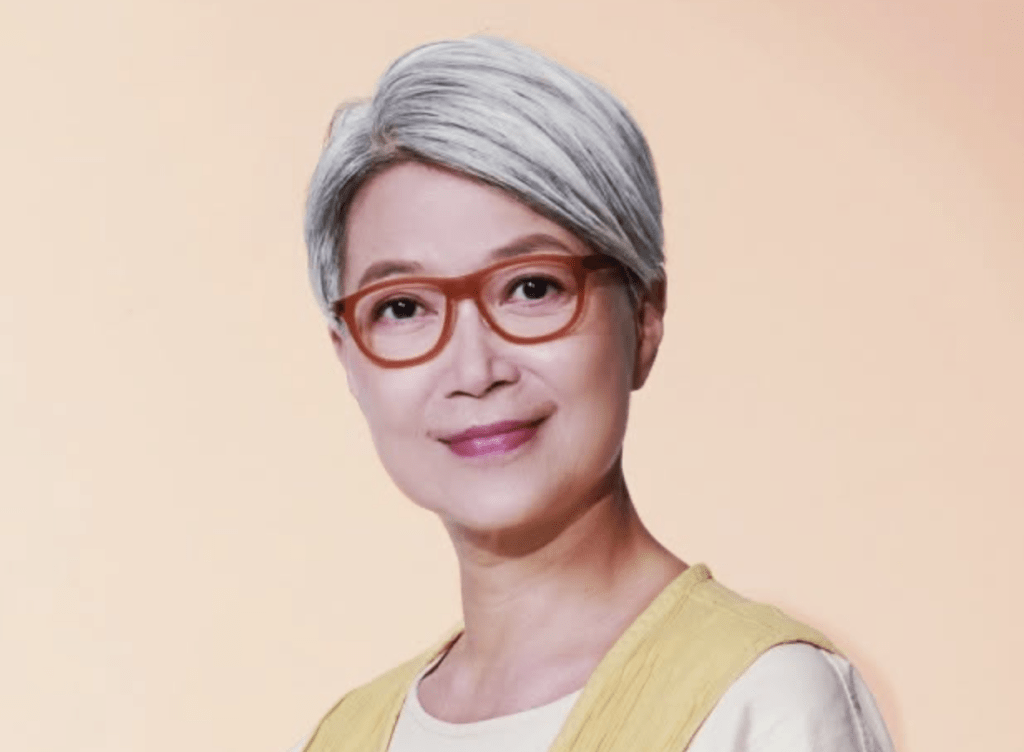
Former TVB leading actress and veteran performer Barbara Chan Man-yee passed away on the morning of June 12, 2026, at Prince of Wales Hospital at the age of 65. Her sons, Liu Wen-che and Liu Wen-shun, published an obituary on social media, stating that their mother returned to the arms of her Heavenly Father with her family by her side. In accordance with her wishes, the memorial service will be held privately and low-key, open only to family and friends, not to the public.
Sons' Obituary: Mother Passed Away Peacefully; Thanks to Medical Staff for Their Care
Liu Man-zit and Liu Man-san today (June 12) announced the obituary on their mother Chan Man-yee's personal Facebook page:
"Our beloved mother, Ms. Chan Man-yee, passed away peacefully on the morning of June 12, 2026, at Prince of Wales Hospital due to illness, surrounded by her family, returning to the embrace of her Heavenly Father. We sincerely thank the medical staff for their meticulous care of our mother. Although the family is deeply saddened, we know that our mother is now resting in heaven. Thank you to friends from all walks for your remembrance and concern for our mother. In accordance with Man-yee's wishes, the memorial service will be held privately with low-key arrangements, open only to family and close friends, not to the public. We ask for your understanding."
Had Suffered from Chronic Illness in Recent Years
Chan's health had been fluctuating in recent years. Last year, she announced the launch of a YouTube channel named "Live Well" as a birthday gift to herself. On her personal channel, she explained that she was a chronic disease patient. Her health had been deteriorating over the past two years. Since she couldn't predict the future, she wanted to seize the moment, take the opportunity to thank and say goodbye properly, and reduce the regret of separation.
On her 65th birthday, she revealed that due to serious health problems, she was urgently admitted to the Chinese University of Hong Kong (CUHK) Medical Centre for major surgery in July last year. She shared: "I've never liked celebrating my birthday, but last year I organized a gathering on my birthday, inviting the important people in my life and those who care for me. Actually, it wasn't a birthday party, but a 'living farewell party'."
She wrote on her personal social media: "Friends who've seen me recently all say, 'You've lost weight.' Yes, my body has indeed had some issues. I'm recovering now, everything will get better... and I believe it will get better and better."
Gave Up Sugar, Felt the Love of Her Family
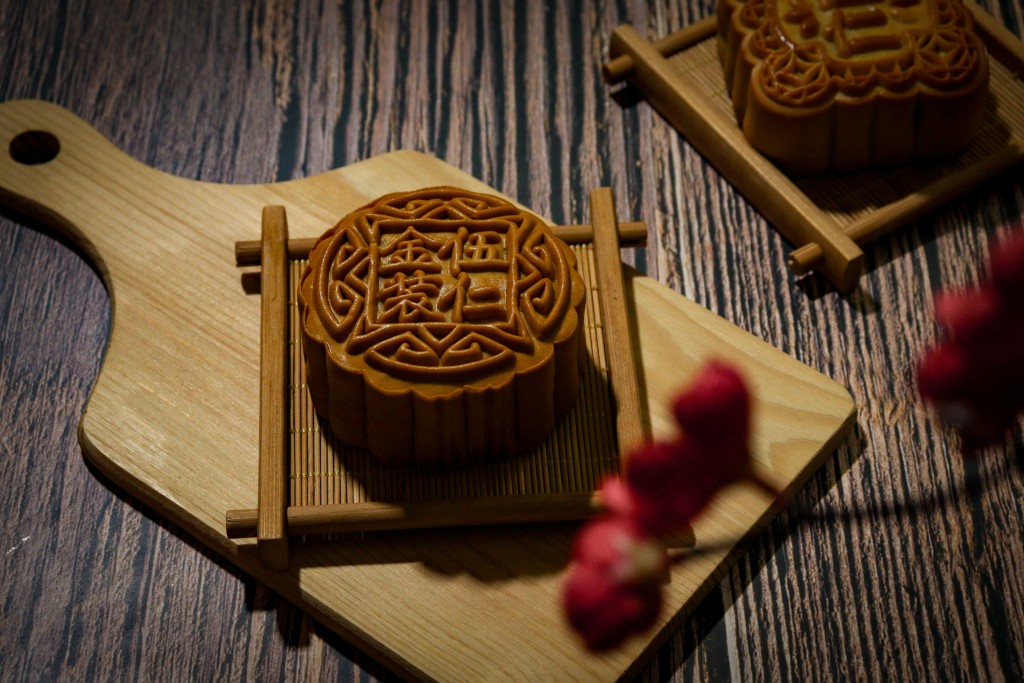
Chan once shared on social media that she had a severe sweet tooth, once eating two entire boxes of mooncakes alone during the Mid-Autumn Festival. However, for her health, she resolutely gave up sugar, completely changing her lifestyle and dietary habits. Last Mid-Autumn Festival, she didn't touch mooncakes at all. Her two sons, noticing their mother's determination, specially ordered a sugar-free, keto cake for her, deeply touching her. She wrote: "As long as there is love, even with illness, you can feel happiness. Happiness is a mindset we choose."
Chan revealed that before being hospitalized for major surgery last year, she had heartfelt conversations with her two sons, as neither wanted to leave any regrets. She even offered a prayer: "I did not pray for my own immortality, but to have an open heart and accept an open outcome. If I die, I'm OK. If I continue living, I also feel it's good. I believe everything has its best arrangement, so my heart is very peaceful."
Chronic Disease in Hong Kong: 2.2 Million Patients, Most Commonly Hypertension and Diabetes
In the 2020/21 period, the proportion of Hong Kong's population suffering from chronic diseases was 31% (approximately 2.2 million people), with 47% of those aged 65 or older. Here are 6 common chronic diseases among the elderly; the most common are hypertension and diabetes:
- Hypertension
- Diabetes
- Stroke
- Cardiovascular disease
- Dementia
- Osteoporosis
7 Dietary Tips for Lowering Blood Pressure and Blood Sugar
- Don't drink coffee or energy drinks immediately after waking up: Morning blood pressure and blood sugar naturally rise; caffeine further stimulates the sympathetic nervous system, causing them to increase further.
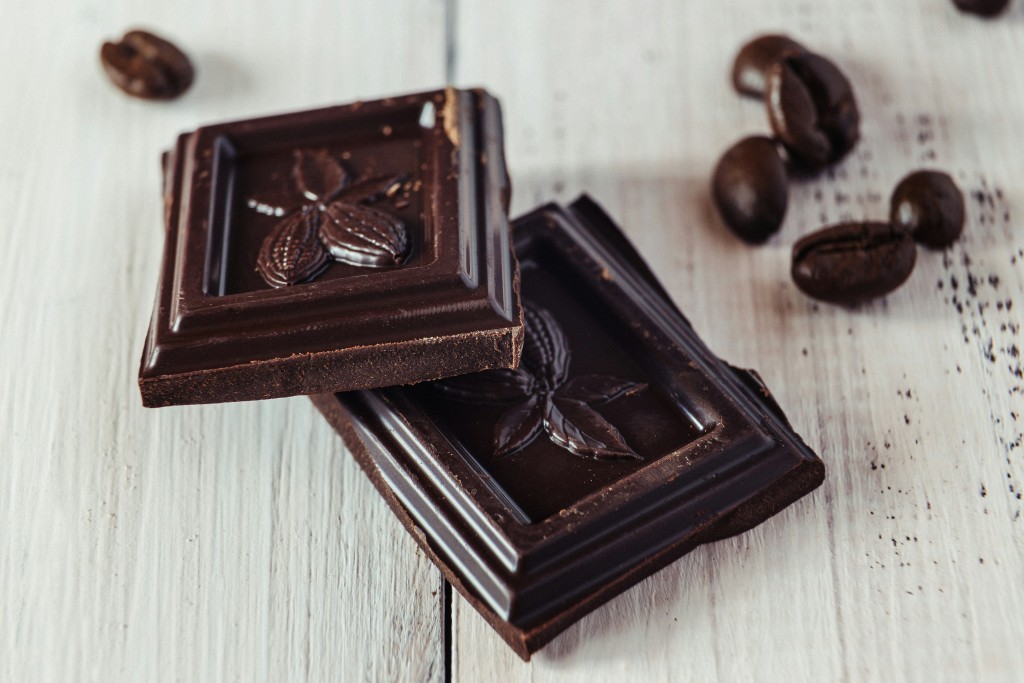
- Consume dark chocolate with over 70% cocoa in moderation: Cocoa polyphenols help promote insulin secretion, have antioxidant effects, and help control blood pressure and blood sugar.
- Finish dinner 2 hours before bedtime: Avoid late eating which can affect metabolism.
- Eat 2 small florets of broccoli at dinner: Rich in sulforaphane, improves insulin resistance, and helps prevent blood pressure rise.
- Chew slowly and thoroughly: Chew each bite 20-30 times, take no less than 15 minutes per meal to prevent post-meal blood sugar spikes and excessive insulin secretion.
- Eat protein and vegetables first, carbohydrates last: Increases satiety, reducing rice portion and carbohydrate intake.
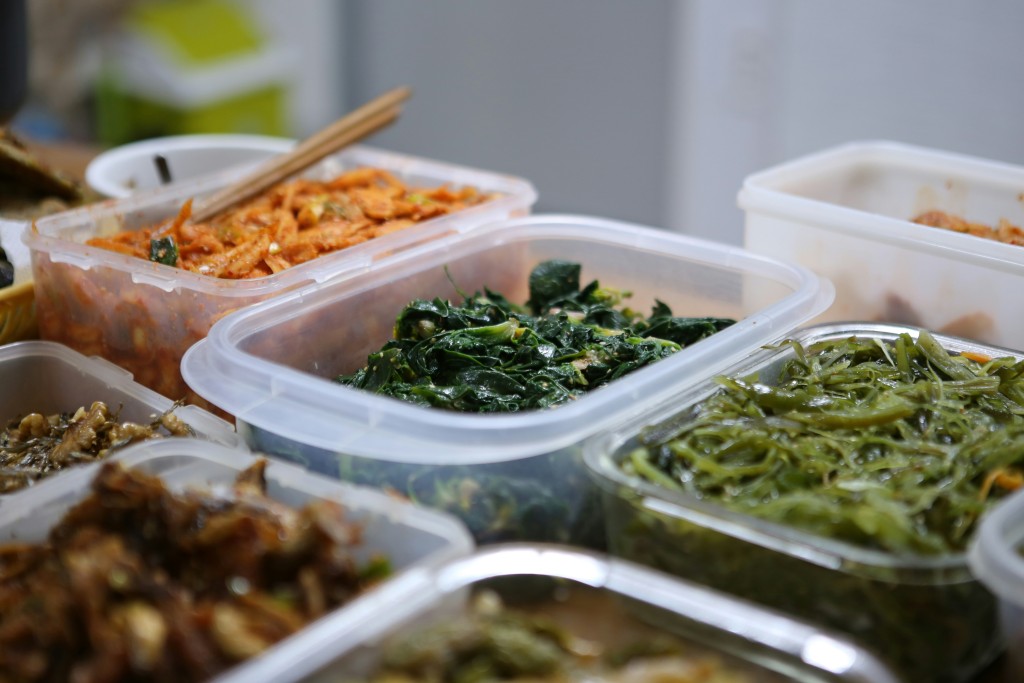
- Eat konjac (devil's tongue), mushrooms, or seaweed once daily: Water-soluble dietary fiber promotes sodium excretion, lowers blood pressure, slows carbohydrate absorption, and inhibits post-meal blood sugar spikes.
Early Symptoms of Diabetes
According to Hong Kong Hospital Authority data, approximately 700,000 people in Hong Kong have diabetes, accounting for about 10% of the population (1 in 10 Hongkongers). The trend is also affecting younger people, with a 2% prevalence rate among those under 35. Diabetes is mainly divided into two types: Type 1 (insulin-dependent) and Type 2 (non-insulin-dependent).
Common Early Symptoms of Diabetes:
- Frequent thirst
- Frequent urination
- Feeling hungry
- Weight loss
- Easy fatigue
- Blurred vision
- Slow-healing wounds
- Skin itching (women may experience genital itching)
Symptoms of Hypertension: Headache/Dizziness Are High-Risk Signs
Hypertension is very common in Hong Kong. According to the "2020-22 Population Health Survey," the total prevalence of hypertension among Hong Kong residents aged 15-84 was 29.5%. According to the Department of Health, hypertension means persistently high blood pressure even when resting or relaxing. Blood pressure persistently exceeding 140/90 mmHg is considered hypertension.
Since most hypertensive patients have no obvious symptoms, it is often called the "silent killer." Generally, common symptoms of hypertension include:
- Dizziness
- Blurred vision
- Headache
- Fatigue
- Facial flushing
The Department of Health reminds that untreated or uncontrolled hypertension can lead to severe diseases such as coronary heart disease, heart attack, heart failure, stroke, retinal vascular disease, and kidney failure, which can be fatal. The higher the blood pressure and the longer it remains uncontrolled, the greater the chance and severity of complications.
Sources: Hong Kong Hospital Authority, Department of Health (Hong Kong)