Do you think eating oatmeal is healthy? Having it for breakfast daily might cause your blood sugar to spike instead of drop? A nutritionist breaks down 4 types of commercially available oats, pointing out that two types can easily spike blood sugar. To truly control blood sugar, besides choosing the right oat type, she also teaches the golden pairing and substitution formula to help stabilize blood sugar easily.
Nutritionist Yeung Si-ham posted on her Facebook page that during consultations, she often encounters patients asking: "Nutritionist, I've heard oatmeal is very healthy, so I soak and eat oatmeal every morning, even as a snack. But after measuring my blood sugar, it hasn't gone down, and sometimes it's even higher!" She explains that while oats are rich in dietary fiber and are a good carbohydrate source, getting three key details wrong – "processing type," "serving size," and "pairing method" – can not only fail to control blood sugar but can also become a hidden driver of blood sugar spikes.
She reminds that the more processed the oats, the faster the body digests and absorbs them, and the higher their glycemic index (GI) value. She breaks down the risks and recommendations for 4 major types of oat products on the market:
4 Types of Commercially Available Oats
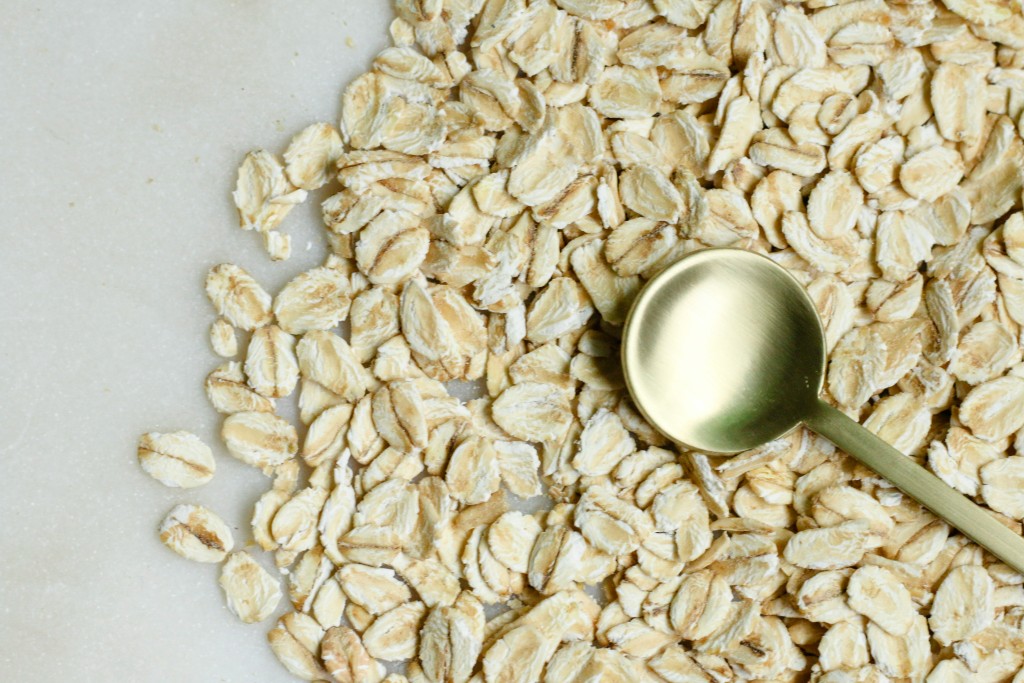
- Recommended: Rolled Oats (Old-Fashioned Oats): These oats retain the whole grain kernel, simply flattened. They undergo the least processing, digest slowly, are considered low-to-medium GI, and provide good satiety.
- Not Recommended to Eat Alone: Oat Flour: Grinding oats into fine powder increases the degree of processing. In powdered form, the gastrointestinal tract absorbs them very quickly, making them a high-GI food. It is not recommended to eat them alone, as this very easily causes rapid blood sugar spikes.
- Strict Portion Control Needed: Oat Milk Beverages: Oat milk is liquid and processed with enzymatic hydrolysis, producing maltose during the process. It is highly processed with a very high GI, very easily causing blood sugar spikes. If you drink it, portion control is essential.
- Avoid: Commercial Instant Cereal (Breakfast Cereals): These commercial cereals are often puffed, reconstituted, and even coated with sugar. They have lost the original nutritional value of oats and have a very high GI. Diabetics are advised to avoid them.
3 Ways to Eat Oats to Help Stabilize Blood Sugar
Yeung points out a common mistake: many patients treat oats as a health supplement, eating them in addition to regular meals. She emphasizes a core concept: "Oats are whole grains, equivalent to staple food (rice)!" If you eat oats, you must subtract the equivalent portion of your original staple food. Never add them on top, or your total daily carbohydrate intake will certainly exceed the limit. She also teaches the optimal way to eat oats for blood sugar stability:
Substitution Formula:
- 3 tablespoons (approx. 20g) of rolled oats = 1/4 bowl of white rice = 15g carbohydrates.
- Example: If you eat 6 tablespoons of rolled oats for breakfast, that equals the carbohydrate content of half a bowl of white rice. To maintain stable blood sugar, you must subtract this amount from the total carbohydrate allowance for that meal or the entire day.
Golden Pairing Principle:
- Eating carbohydrates alone is a major taboo for blood sugar control. Eating just a bowl of plain oatmeal for breakfast will not only leave you hungry quickly but also cause dramatic post-meal blood sugar fluctuations. To keep blood sugar stable, you must pair with high-quality protein and healthy fats. This lowers the overall GI value of the mixed meal.
Examples of Correct Pairings:
- Rolled oats + unsweetened soy milk + boiled egg: The soy milk and egg provide high-quality protein, increasing satiety and delaying gastric emptying.
- Rolled oats + Greek yogurt + a small handful of nuts: Greek yogurt contains concentrated protein, while nuts provide healthy fats – a perfect combination.
What Blood Sugar Level is Too High? Watch for 8 Early Signs of Diabetes
According to the Hong Kong Hospital Authority, diabetes is a chronic metabolic disorder. It occurs when insulin secretion by the pancreas is insufficient, or when insulin cannot function properly, causing blood sugar to rise abnormally, leading to diabetes. Type 2 diabetes accounts for over 90% of all cases and is mainly related to poor diet, obesity, and lack of exercise. Body cells become resistant to insulin, unable to effectively absorb and utilize glucose, causing excess sugar to accumulate in the blood.
High blood sugar can lead to metabolic disorders of fats and proteins and, over time, cause damage to multiple body systems and organs, including the cardiovascular system, retina, nerves, and kidneys.
According to the American Diabetes Association's recommendations:
- Impaired Fasting Glucose: Fasting blood sugar between ≥5.6 mmol/L and <7 mmol/L.
- Impaired Glucose Tolerance: 2-hour post-meal blood sugar between ≥7.8 mmol/L and <11.1 mmol/L.
- Both Impaired Fasting Glucose and Impaired Glucose Tolerance are considered prediabetes.
- Diabetes: Fasting blood sugar ≥7 mmol/L, or 2-hour post-meal blood sugar >11.1 mmol/L.
Early Symptoms of Diabetes:
Some patients may experience the following early symptoms:
- Frequent thirst
- Frequent urination
- Feeling hungry
- Weight loss
- Easy fatigue
- Blurred vision
- Slow-healing wounds
- Skin itching (women may experience genital itching)
Sources: Nutritionist Yeung Si-ham, Hospital Authority (Hong Kong)