It's lychee season, but with the hot weather, lychees can easily turn brown and lose moisture within two or three days. Many people habitually just stuff them directly into the refrigerator, but this is a big mistake! An expert shares 3 preservation techniques. By preparing lychees simply, you can prevent browning and hardening, and keep them fresh for up to a month.
Don't Put Lychees Directly in the Fridge? Learn 3 Preservation Tricks to Keep Them for a Month
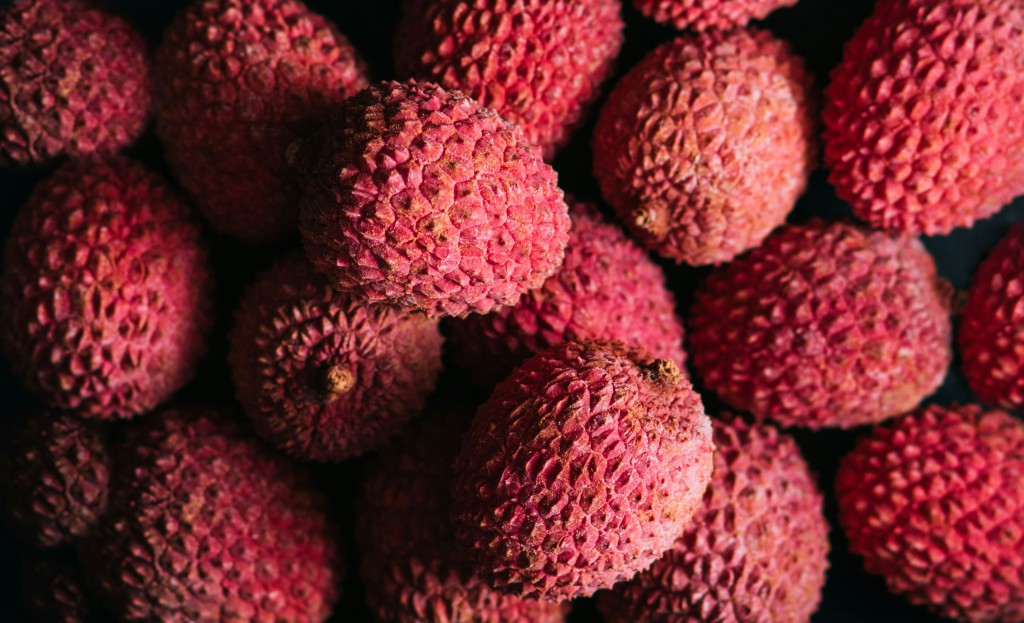
The Taiwan Agriculture and Food Agency (AFA) posted on its Facebook page that the peak season for lychees is from May to early July. There are many varieties available on the market, each with unique characteristics: the sweet and bouncy Yu Her Bao (Yuhuabao), the aromatic Hei Ye (Black Leaf), and the thick-fleshed No Mai Tsze (Glutinous Rice). When selecting lychees, choose fruits that are plump, firm, and have a light fruity fragrance. For Yu Her Bao, those with a "reddish-green" color have the best flavor. However, within 2-3 days of harvest, fresh lychees easily lose moisture, causing the skin to harden and turn brown. Therefore, depending on your intended use and consumption frequency, follow these 3 practical preservation methods after purchase:
3 Lychee Preservation Techniques
1. Refrigeration Method (Keeps fresh for 3-5 days)
- Lightly spray the lychee skins with a little water.
- Wrap the lychees in white (unprinted) newspaper.
- Place the wrapped lychees into a plastic bag, tie it tightly, and store in the refrigerator.
2. Salt Water Soaking Method (Keeps fresh for 7-10 days)
- Use scissors to cut the lychees from their stems, leaving a small piece of the stem attached.
- Soak the lychees in salt water for about 5 minutes.
- Drain the water, put the lychees into a sealed plastic bag (ziplock bag), and store in the refrigerator.
3. Freezer Method (Keeps fresh for 1 month)
- Peel the lychees and remove the pits.
- Place the lychee flesh into an airtight container and put it directly into the freezer.
Lychees Contain 2 Chemicals: Eating Large Amounts on an Empty Stomach Can Be Fatal
According to the Hong Kong Centre for Food Safety (CFS) website, lychees naturally contain two chemicals, hypoglycin A and methylenecyclopropylglycine (MCPG), which can inhibit the body's glucose production. Unripe lychees have even higher levels. Compared to adults, children have smaller glycogen reserves, making them more prone to low blood sugar (hypoglycemia) if they miss regular meals. If a child consumes a large amount of lychees on an empty stomach, the chemicals in the fruit can cause blood sugar to plummet drastically, potentially leading to seizures, coma, or even death.
For safety, food safety authorities recommend that general adults limit lychee consumption to about 300 grams (approximately 10 lychees) per day. Children should not eat more than 5 lychees at one time. Avoid eating lychees on an empty stomach; it is best to consume them between meals. Generally, diabetic patients should try to eat fewer lychees as they can cause blood sugar fluctuations.
Sources: Taiwan Agriculture and Food Agency (AFA), Centre for Food Safety (Hong Kong)