Read More



Night Recap - October 2, 2026
5 hours ago


Hong Kong’s long-awaited regulation of ride-hailing services is entering its final phase, with industry players and lawmakers calling for a gradual approach to licensing to avoid disrupting the city’s transport ecosystem.
Following the passage of the principal legislation last year that outlines a long-awaited framework to regulate ride-hailing services in the city under a licensing regime, the government is expected to determine the number of ride-hailing vehicle licenses through subsidiary legislation in the first half of this year.
The first batch of licensed platforms could begin operations as early as the fourth quarter under a new “three-party licensing” regime covering platforms, vehicles and drivers.
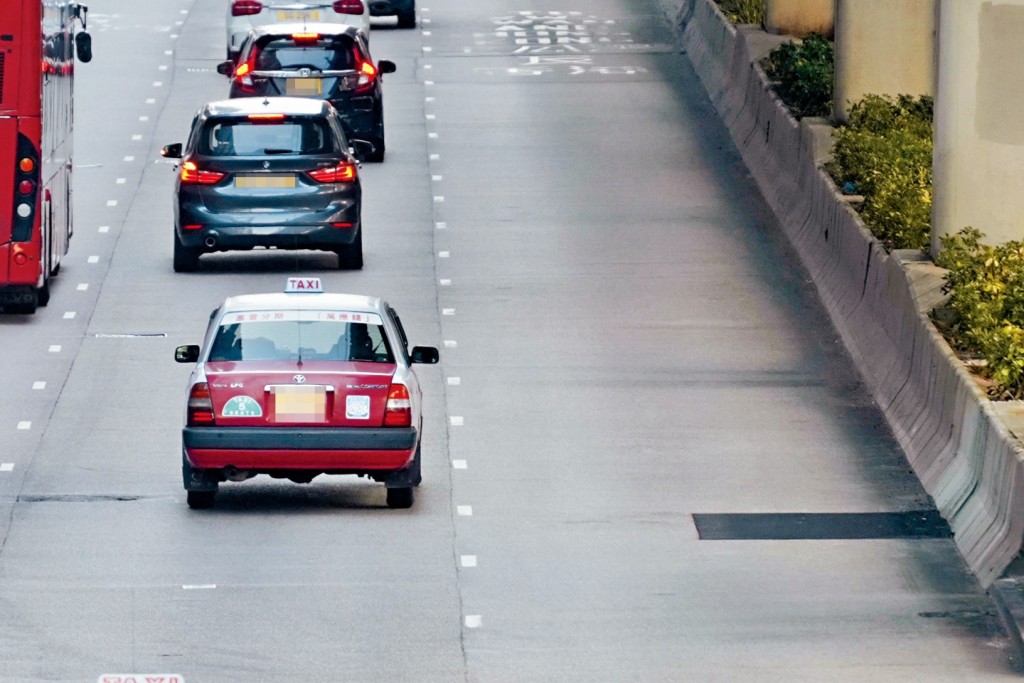
As the license quota nears announcement, debate has intensified. Earlier proposals suggesting up to 30,000 ride-hailing vehicle permits have raised concerns over potential impacts on traditional taxi operators, road congestion and overall commuting experience.
Industry representatives and members of the public have urged authorities to adopt a phased rollout, citing Hong Kong’s limited road capacity and dense population.
They argue that a measured approach would help balance livelihood concerns, transport demand and infrastructure constraints while minimizing unintended consequences.
Lawmaker Chan Siu-hung said a “start small and expand gradually” strategy would be more appropriate, noting that about 90 percent of residents rely on public transport. He warned that a rapid increase in ride-hailing vehicles could place additional strain on already congested roads during peak hours, potentially affecting bus and minibus users.
At the same time, he said an excessive number of vehicles during off-peak hours could intensify competition within the market, putting pressure on traditional taxi operators. Conversely, too few licenses could create supply shortages and undermine user experience.
He added that the government should make decisions based on comprehensive data, including platform operations, population density and road capacity.
Another lawmaker, Chan Pui-leung, said the policy should be implemented “with the public in mind,” suggesting that license numbers be adjusted progressively based on real-world outcomes to ensure the intended policy objectives are met.
Some transport advocates have proposed a middle ground. Former lawmaker Gary Zhang Xinyu, along with members of a smart mobility alliance, suggested issuing around 20,500 licenses in the initial phase, with at least 15,000 vehicles actively operating.
Concerns remain strong within the taxi sector. With around 18,000 taxi licenses currently in circulation, many drivers and investors have committed significant financial resources to the trade.
Lee Wai-man of the Taxi Drivers & Operators Association said while demand for ride-hailing services is understandable, license numbers must be tightly controlled to avoid destabilizing the taxi market.
He warned that a large-scale rollout could directly reduce taxi drivers’ income and potentially trigger broader industry tensions. He also pointed to high commission rates charged by ride-hailing platforms, which could increase operating costs and affect overall market sustainability.
He said license numbers should not exceed 10,000 in the early stages, given Hong Kong’s already congested roads.
Taxi drivers have also voiced concern. One driver said the government should carefully consider the number of licenses issued, noting that entering the taxi trade requires both time and significant financial investment.
Another driver warned that a sharp increase in ride-hailing vehicles could dilute business, potentially forcing some drivers out of the industry.
On the other hand, some ride-hailing drivers have taken a more open stance. A part-time driver said moderate licensing could introduce healthy competition and improve service quality, though he cautioned that the scale must be carefully calibrated given existing pricing pressures and platform commissions.
Members of the public echoed similar sentiments. One resident said a phased rollout would be more prudent, allowing time to assess potential issues. He added that an excessive number of vehicles could lead to uneven driver quality, poor driving behavior, and problems such as illegal parking or insufficient pick-up and drop-off points, ultimately worsening traffic conditions.