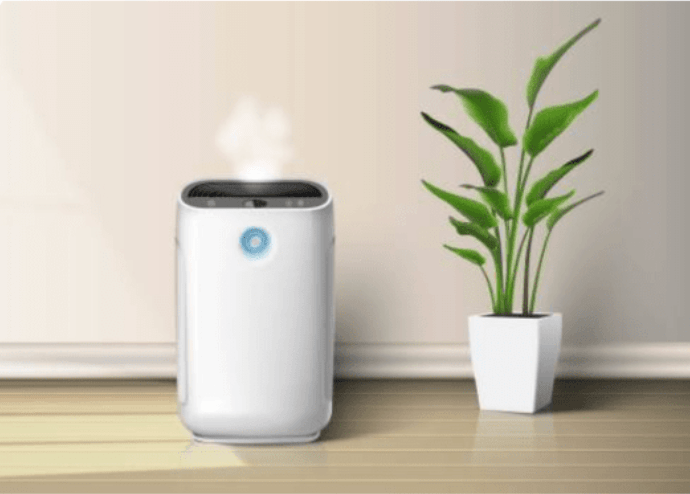
Hong Kong is expected to experience unstable weather over the next week. The Observatory forecasts that under the influence of a northeast monsoon, it will be cloudy with occasional showers and thunderstorms from today until next Friday. Temperatures are expected to be cooler, ranging from 19 to 23°C, with relative humidity reaching up to 95%. With high humidity at home, dehumidifiers become essential appliances. But are you using yours correctly? Experts point out that the placement of a dehumidifier matters greatly; using it incorrectly can render it ineffective and even harm your skin.
Surgeon Dr. Kung Kwan-chun shared on the show Digging into Health that even the placement of a dehumidifier requires careful consideration. Positioning it correctly enhances its effectiveness. He highlighted 5 tips for proper dehumidifier use:
1. Place the Dehumidifier in the Center, Not Against a Wall or Corner
- Reason: If placed in a corner, airflow is poor, and the dehumidifier can only remove moisture locally, greatly reducing its effectiveness.
- Correct practice: Place the dehumidifier in a central location in your home. Use a fan simultaneously to assist air circulation, ensuring moisture throughout the house is evenly removed, thereby doubling dehumidification efficiency.
2. Set Humidity to 60-65%, Not Drier
- Reason: If humidity is set too low (e.g., 20-30%), the air becomes excessively dry, which can strip moisture from the skin's surface, leading to dry, cracked, itchy skin and potentially causing respiratory discomfort.
- Correct practice: Set the dehumidifier's humidity level to between 60% and 65%. This effectively inhibits mold and dust mites while not burdening the body.
3. Avoid Using It While Sleeping
- Reason: Running a dehumidifier for long periods during sleep continuously removes moisture from the skin's surface. The facial skin, being thinner, is particularly prone to becoming dry, peeling, and even accelerating aging.
- Correct practice: Run the dehumidifier during the day or 2-3 hours before bedtime. Once the bedroom humidity has dropped, turn it off before going to sleep.
4. Keep Windows and Doors Closed While Using
- Reason: If doors or windows are open, humid outdoor air continuously flows in, and the dehumidifier cannot concentrate on removing indoor moisture, essentially wasting electricity.
- Correct practice: Before using the dehumidifier, ensure all windows and doors are securely closed to create a sealed space, only then can indoor humidity be effectively reduced.
5. Regularly Empty the Water Tank
- Reason: An excessively full water tank affects the dehumidifier's normal operation. Water may even evaporate back into the machine, reducing dehumidification effectiveness.
- Correct practice: Empty the tank whenever it is nearly full, and regularly clean the tank to prevent mold growth, maintaining the dehumidifier's performance.
Regularly Clean or Replace Filters for Healthy Dehumidification
Kung reminds us that dehumidifiers are helpful tools against humidity, but they must be used correctly. In addition to the 5 tips above, regularly clean or replace filters to prevent dust accumulation from affecting air quality. Proper home humidity management during the humid season not only helps prevent joint pain, asthma, and skin allergies but also reduces mold growth, protecting the health of the entire family.
Source: Health 2.0