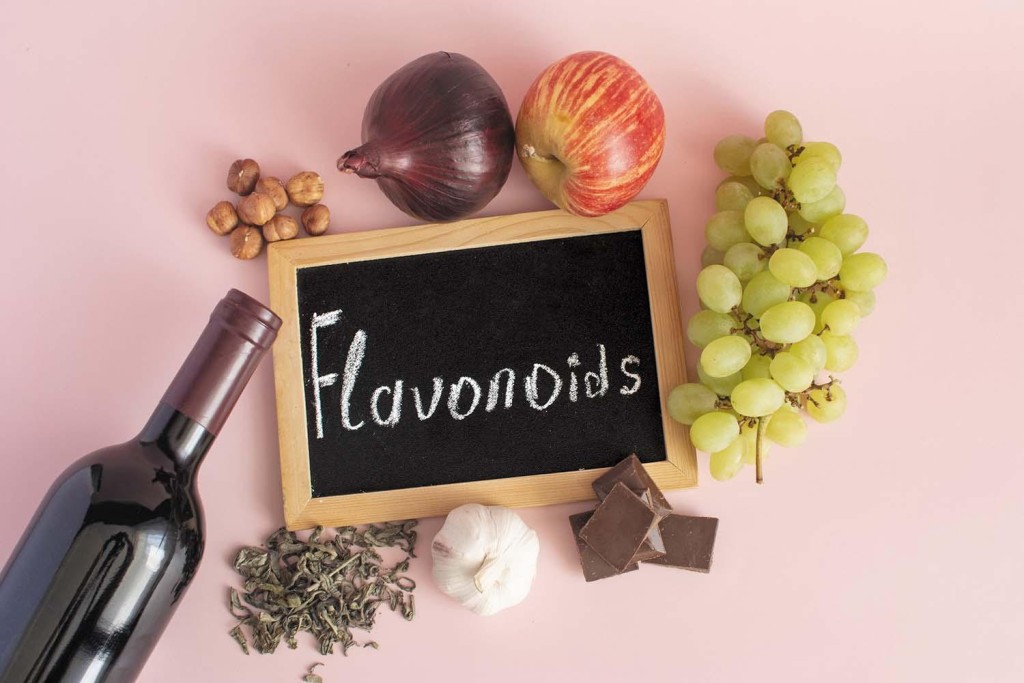
A U.S. study has found that flavonoids, compounds known for their powerful antioxidant effects, may also help prevent various age-related health problems. They can reduce the risk of physical frailty, functional decline, and mood issues in older adults, while also offering protective benefits for the heart, and helping prevent diabetes and dementia. Which foods are richest in flavonoids?
According to a report by health (citing the original research), a study published in 2025 in The American Journal of Clinical Nutrition found that higher intake of flavonoids—antioxidant compounds found in many plant-based foods—may slow aging and reduce the risk of chronic diseases such as heart disease, type 2 diabetes, and dementia.
The study tracked data from over 62,000 women and 23,000 men aged 60 and older. Researchers recorded how often participants consumed flavonoid-rich foods such as tea, apples, oranges, grapefruit, blueberries, strawberries, and red wine. They then scored participants based on their daily intake of these foods.
After establishing a flavonoid dietary score, the researchers compared it with participants' health reports. The criteria included levels of frailty, physical impairment, and mental health status. Results showed that the higher the flavonoid dietary score, the lower the risk of adverse age-related health outcomes. Compared to women with the lowest flavonoid intake, those with the highest intake had a 15% lower risk of frailty, a 12% lower risk of physical impairment, and a 12% lower risk of poor mental health. However, the researchers found a weaker association between flavonoid intake and aging in men.
Dr. Nicola Bondonno, a PhD researcher at the School of Medical and Health Sciences at Edith Cowan University in Australia and an author of the study, stated that this suggests consuming flavonoid-rich foods can help people maintain mobility and mental sharpness for longer, while also reducing the risk of chronic diseases such as heart disease, type 2 diabetes, and dementia.
Registered dietitian Kathryn Piper explained that flavonoids may offer unique advantages over other antioxidants. Like other antioxidants, flavonoids are anti-inflammatory and help prevent disease. However, research also indicates that flavonoids may promote a process called autophagy. Autophagy acts like the body's clean-up mechanism, clearing out old, damaged cells to make way for new, healthy ones. Bondonno added that flavonoids also aid in antioxidant activity, support vascular health, and may even help preserve muscle mass.
6 Recommended Flavonoid-Rich Foods
To increase flavonoid intake in daily life, Piper recommends the following 6 foods:
- Green tea
- Blueberry, strawberry, or raspberry smoothies
- A small glass of pure orange or blueberry juice with a balanced breakfast in the morning
- Apple slices with peanut butter as a snack
- Dark chocolate with 70% cocoa or higher (in moderation)
- Flavonoid-rich herbs such as parsley and oregano
Bondonno noted that eating an apple, drinking a cup of tea, and having a handful of berries or a serving of citrus fruit daily could help slow aging. She added that it's never too late to start, but the earlier these dietary habits are adopted, the better, as the protective effects build up over time.