What fruits can kidney patients eat? A nutritionist has categorized various fruits by their potassium content using a "traffic light" system, specifically recommending 8 "low-potassium" top choices for kidney patients to eat safely. However, one common fruit is strictly forbidden for kidney patients, as it can cause vomiting, convulsions, and even coma.
Nutritionist Lam Lei-sam posted on her Facebook page that for patients with chronic kidney disease (CKD), especially those in the middle to late stages, managing potassium levels is crucial. When kidney function declines and the body cannot properly excrete excess potassium, it can lead to hyperkalemia (high blood potassium). Severe cases can cause cardiac arrhythmias, muscle weakness, and even be life-threatening.
However, fruits are rich in vitamins and dietary fiber. Completely avoiding them could lead to nutritional deficiencies or constipation. Therefore, she suggests kidney patients use a "traffic light" concept to manage fruit intake based on potassium content per 100 grams:
Green Light Zone (Potassium < 150mg):
Fruits in this zone are relatively safe choices for kidney patients. The recommended daily intake is about 2 servings (1 serving ≈ ¾ of a standard bowl or the size of a fist).
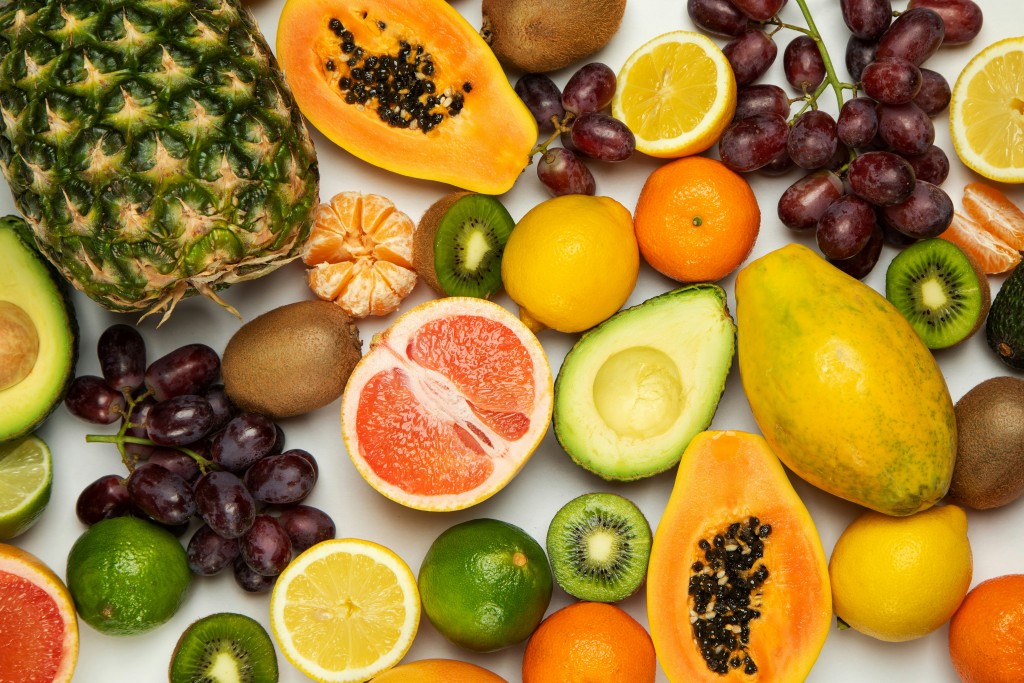
- Pineapple: Extremely low potassium (approx. 40mg). Contains bromelain, which aids protein digestion – a top choice for kidney patients.
- Wax Apple (Bell Fruit): High water content and low potassium (approx. 70mg) – an ideal choice.
- Pear: Generally low in potassium (approx. 60mg). It is recommended to peel before eating, as the skin typically contains higher potassium levels.
- Apple: A popular low-potassium choice, but peeling is also recommended to reduce potassium intake.
- Watermelon: Although low in potassium (approx. 100mg), due to its very high water content and high glycemic index (GI), patients with concurrent edema or diabetes should strictly control portion sizes.
- Grapes: approx. 120-130mg
- Mangosteen: approx. 70-80mg
- Citrus: approx. 120-150mg
Yellow Light Zone (Potassium 150-250mg):
Fruits in this zone are permissible but should be limited. If choosing from this zone, reduce portion size by half (approx. half a bowl) or alternate with low-potassium fruits.
- Guava: Though highest in Vitamin C among fruits, potassium is moderate (150-180mg). Remove seeds as they are higher in potassium.
- Papaya & Mango: Papaya approx. 180-200mg, Mango approx. 150-180mg. Both rich in carotenoids but higher in potassium; cut into small pieces and limit portions.
- Dragon Fruit (Red/White flesh): Many mistakenly believe it is very safe, but potassium is actually approx. 190-220mg – moderate potassium. Pay special attention to portion sizes.
- Strawberries: approx. 170-190mg. Easy to overeat due to small size and sweet-tart flavor.
- Grapefruit: approx. 200-240mg. Special reminder: Patients taking blood pressure medication or immunosuppressants should completely avoid grapefruit due to drug interactions.
- Loquat: approx. 180mg
- Peach: approx. 150-205mg
- Passion Fruit: approx. 200mg
- Cherries: approx. 220-240mg
Red Light Zone (Potassium > 250mg per 100g):
Fruits in this zone have very high potassium levels. Kidney patients who need to limit potassium intake should avoid them whenever possible.
- Kiwi: approx. 250-290mg
- Longan: approx. 280mg
- Cherry Tomatoes: approx. 270mg
- Honeydew Melon: approx. 250-260mg
- Banana: approx. 330-340mg
- Sugar Apple (Custard Apple): approx. 390mg
- Durian: approx. 420-450mg
- Dried Persimmon: approx. 550-600mg
- All dried fruits: e.g., raisins (approx. 710-750mg), red dates, dried persimmons (approx. 550-600mg), dried longans (approx. 1200-1300mg). When fruits are dehydrated, potassium becomes extremely concentrated.
- All fresh fruit juices: Juices typically require several fruits to make one cup, lose significant dietary fiber, and cause faster potassium absorption – very dangerous for kidney patients.
- Starfruit: Absolutely prohibited for kidney patients. Starfruit contains a neurotoxin that healthy kidneys can metabolize, but damaged kidneys cannot excrete it. Ingestion can cause vomiting, convulsions, and even coma. Strict avoidance is essential.
3 Tips for Eating Fruit: Portion Control and Preparation
Beyond selecting fruit types, Lam also suggests 3 methods to help reduce potassium intake:
- Remove peels and seeds: Fruit peels and seeds typically concentrate minerals. Removing them before eating can effectively reduce potassium intake.
- Eat whole fruit, don't drink the liquid: Potassium is highly water-soluble. Therefore, avoid drinking fruit juice, avoid the syrup from canned fruits, and even when cooking vegetables, drain the cooking liquid.
- Control total quantity: Even low-potassium fruits, if eaten in excess, can accumulate significant potassium. Maintaining a daily total of 1-2 servings is a basic health principle.
She reminds that every kidney patient's condition and blood biochemical values are unique. The safest approach is to bring your blood test reports and consult a specialized dietitian for personalized fruit portion recommendations. With proper choices, kidney patients can protect their kidneys while safely enjoying the sweet flavors of seasonal fruits.
Early Symptoms of Kidney Disease: Watch for Changes in Urination
According to the Hong Kong Hospital Authority, the main functions of the kidneys include excreting metabolic waste, coordinating fluid and electrolyte balance, pH balance, blood pressure regulation, producing erythropoietin (a hormone that stimulates red blood cell production), and helping activate Vitamin D. When kidney function is severely damaged over a long period due to various causes, waste products accumulate in the body, leading to multiple functional problems and potentially developing into chronic kidney failure.
However, early-stage kidney disease and chronic kidney failure often have subtle symptoms. More common symptoms include:
- Blood in urine / tea-colored urine (hematuria)
- Foamy urine (proteinuria)
- Cloudy urine (urinary tract infection)
- Burning pain during urination, frequent urination
- Difficulty urinating, poor stream
- Passing small stones in urine
- Increased urination, decreased urine output, nighttime urination (nocturia)
- Lower back or abdominal pain
- Swelling of ankles or eyelids
- High blood pressure
4 High-Risk Groups for Kidney Failure: Severe Cases May Require Dialysis
According to the Hong Kong Hospital Authority, when kidney function is severely damaged over a long period due to various causes, the kidneys' ability to excrete metabolic waste is impaired. Waste accumulates in the body, causing various functional problems and leading to chronic kidney failure.
When reaching the stage of end-stage renal failure, patients require dialysis (or kidney transplantation) to sustain life. Patients with the following conditions are at higher risk for chronic kidney failure:
- Diabetes
- Glomerulonephritis (including lupus nephritis)
- Hypertension
- Congenital kidney disease and family history of kidney disease