Combining flexible time-restricted eating with aerobic exercise more than doubles fat mass reduction in overweight or obese middle-aged women compared to either intervention alone, while also improving insulin sensitivity and other metabolic indicators, according to a study by the Chinese University of Hong Kong.
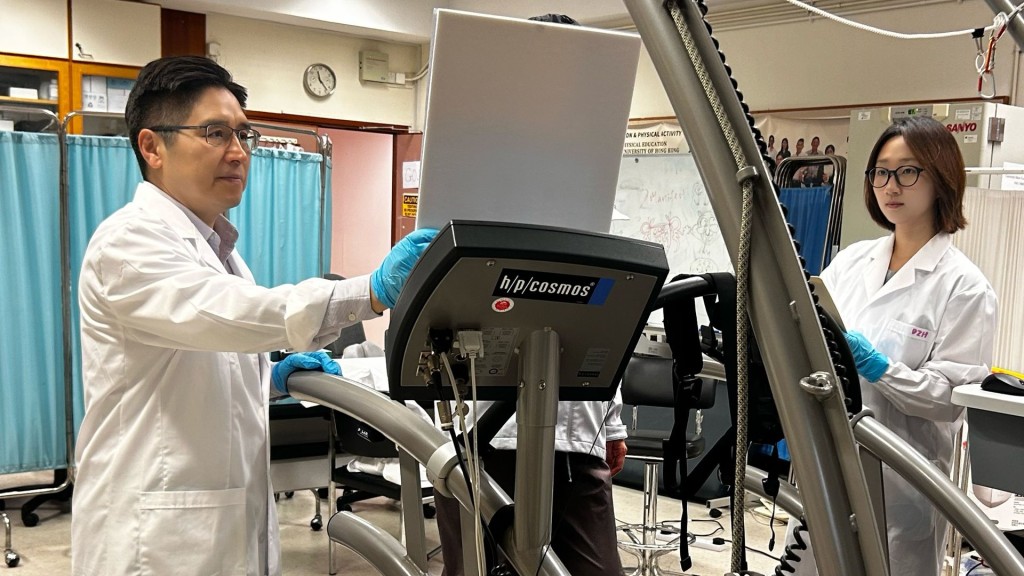
Researchers from CUHK's Department of Sports Science and Physical Education conducted a 12-week randomised controlled trial involving 104 women aged 40 to 60, who were assigned to four groups: a flexible time-restricted eating group, an aerobic exercise group, a combined intervention group, and a control group.
Unlike traditional intermittent fasting that requires a fixed daily eating window, the flexible approach allowed participants to set their own eight-hour eating window each day, provided it concluded by 8pm. The study aimed to test the feasibility of this approach in real-life settings.
The combined intervention group achieved an average reduction of 2.7kg in fat mass (-10.2 percent) after 12 weeks, significantly higher than the eating-only group (-4.6 percent) and the exercise-only group (-3.5 percent). The combined group also showed greater improvements in body weight, body fat percentage, waist circumference and insulin sensitivity.
All intervention groups had high adherence rates of 83 to 87 percent, with no serious adverse events reported.
Professor Stephen Wong Heung-sang, the study's corresponding author, said allowing personalisation of the eating window enhances practicality, providing an effective and sustainable lifestyle management strategy for middle-aged women facing weight management challenges.
The findings have been published in the international journal Nature Communications.